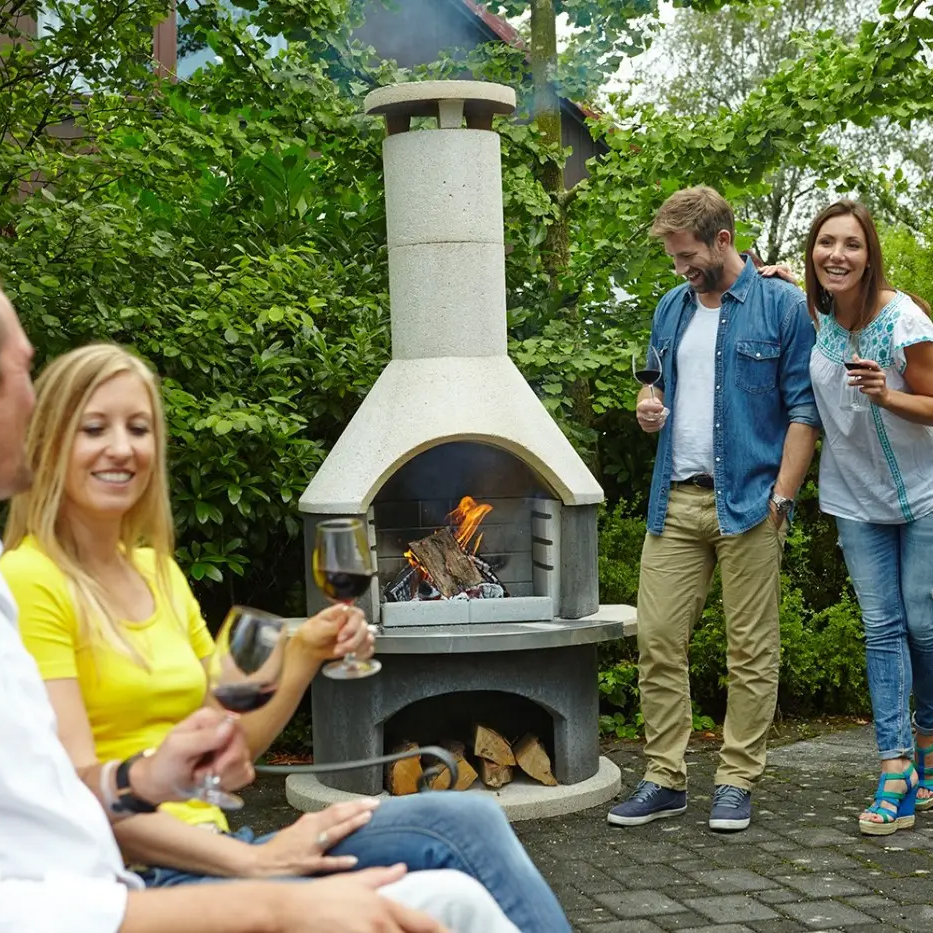
Masonry Barbecue Buying Guide for UK Gardens
Our masonry barbecue buying guide explains fuel, size, build quality and placement, helping UK homeowners choose a durable centrepiece.

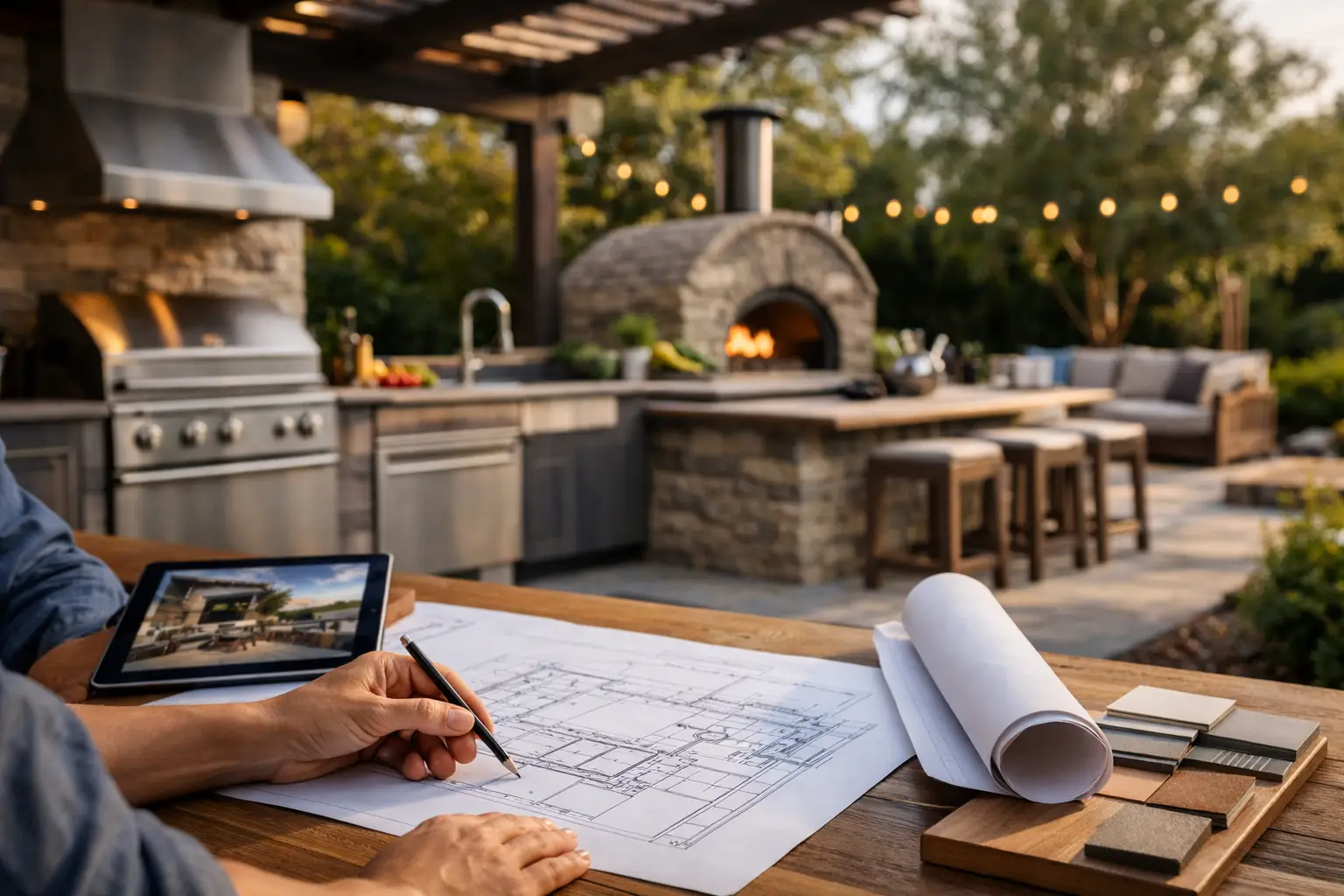
The best outdoor kitchens do not start with a barbecue. They start with a Saturday afternoon in mind – a few friends arriving early, drinks on the worktop, food moving from prep to grill without anyone squeezing past a hot oven. If you are working out how to plan outdoor kitchen space that genuinely improves the way you cook and entertain, the smartest approach is to begin with how you want the space to feel and function, then choose the products to match.
A premium outdoor kitchen should earn its place in the garden. It needs to suit the way you live, stand up to British weather and make cooking outside easier, not more complicated. That means balancing layout, appliance choice, storage, utilities and materials from the outset.
https://buschbeckoutdoorliving.co.uk/
One of the biggest mistakes in outdoor kitchen design is sizing the space around a dream image rather than real habits. A compact run of cabinets with a high-quality grill and useful prep area can outperform a sprawling setup that leaves you walking back and forth all evening.
Start with the cooking style. If you mostly grill for family meals, you may only need a premium petrol BBQ or kamado, a worktop and weather-resistant storage. If your weekends revolve around slow smoking, live-fire cooking and pizza nights, the plan changes quickly. You may want separate zones for grilling, wood-fired cooking and serving, with enough distance between hot appliances to work comfortably.
Think in terms of movement. You should be able to take food from storage to prep, from prep to cooking, and from cooking to serving in a smooth line. If guests tend to gather around the chef, leave room for socialising without blocking access to the appliances. For many UK gardens, an L-shape or straight run with an island-style serving point gives the best balance of footprint and practicality.
It is also worth considering sightlines. An outdoor kitchen works best when it connects naturally to the house, patio and seating area. If the cook is tucked away in a corner facing a fence, the space can feel separate from the occasion. Positioning the main cooking area towards the dining or lounging space keeps outdoor entertaining more relaxed and more sociable.
Cabinet sizes and layouts should follow the appliances, not the other way round. Built-in grills, kamados, pizza ovens and side burners all have different clearance, ventilation and support requirements. Trying to force a premium appliance into a layout that was drawn first often leads to compromises in safety, finish or performance.
This is where being honest about priorities saves money. There is no point allocating half the budget to cabinetry if the real goal is restaurant-level grilling performance or a standout pizza oven. Equally, there is little value in buying multiple cooking appliances that overlap too heavily. A petrol BBQ and a pellet grill offer very different experiences. A kamado brings versatility and charcoal flavour. A pizza oven can transform entertaining. The best mix depends on what you will actually use.
For some households, one excellent appliance plus generous prep and storage is the right answer. For others, especially keen hosts, a modular kitchen with a built-in grill, outdoor fridge, sink and dedicated pizza oven creates a far more complete outdoor cooking setup. Premium planning is not about adding everything. It is about choosing the right combination.
If you are learning how to plan outdoor kitchen installations, utilities are usually where the project becomes more technical. Power, water, drainage and fuel supply all need early consideration, especially if you want built-in appliances, refrigeration or a sink.
Electricity is often essential once you move beyond a basic barbecue. Outdoor fridges, lighting, rotisserie motors and certain ignition systems all need a reliable supply. Water sounds like a luxury until you have carried enough trays and utensils back into the house after a long evening of cooking. A sink can make prep, cleaning and hosting dramatically easier, but only if drainage has been planned properly.
Fuel choice deserves just as much thought. Bottled petrol offers flexibility, while a mains petrol connection can be more convenient in the right setting. Charcoal, wood pellets and kiln-dried wood each create different cooking experiences and storage needs. None is universally better. It depends on whether your priority is speed, flavour, fire management or versatility.
Because these decisions affect safety and installation complexity, it is wise to settle them before materials are ordered and cabinets are fixed in place.
An outdoor kitchen in the UK must cope with damp mornings, driving rain, temperature swings and long periods of winter inactivity. That changes the specification.
Shelter is often the difference between a kitchen that gets used regularly and one that becomes a fair-weather feature. This does not always mean a fully enclosed structure. A pergola, canopy or covered section can protect key prep and cooking areas while keeping the open-air feel that makes outdoor cooking enjoyable.
Material choice is equally important. Worktops, cabinetry and fittings should be selected for outdoor exposure, not simply because they look good indoors. Stainless steel, quality powder-coated finishes and properly specified modular units tend to offer the durability required for long-term performance. Timber can look superb, but it needs realistic expectations around maintenance. Natural stone brings presence and character, but some finishes are more forgiving than others in changing weather.
Appliance covers help, though they are not a substitute for proper planning. If your outdoor kitchen is fully exposed, every component works harder. If it has some protection and smart drainage around the base, it is more likely to retain its finish and stay ready for use.
People tend to focus on the headline appliance, yet the everyday luxury of an outdoor kitchen often comes from what surrounds it. A well-planned worktop gives you room to prep pizza toppings, rest cooked meat, plate food properly and keep drinks or serving boards close to hand. Without enough surface area, even an expensive setup can feel awkward.
Storage has a similar effect. Dedicated space for fuels, cookware, utensils, rubs, sauces and cleaning products keeps the kitchen tidy and makes cooking outside feel effortless. If you have to fetch every tray, thermometer and pair of gloves from indoors each time, the space becomes less appealing to use.
Cold storage is particularly valuable for hosts. An outdoor fridge keeps ingredients, drinks and garnishes where they are needed, reducing trips back into the house and helping the kitchen function as a true entertaining hub.
Outdoor kitchen budgets can vary enormously, and price rises quickly when built-in appliances, utilities and premium finishes are involved. The key is knowing where the investment changes the experience.
Spending more on a better grill, more resilient cabinetry and proper installation usually pays back in performance and longevity. Overspending on decorative extras before the functional elements are solved rarely does. You want the kitchen to cook brilliantly, clean easily and age well.
It is also sensible to budget beyond the core build. Covers, cookware, lighting, heating, seating and accessories all influence how often the space gets used. An outdoor kitchen is not just a product purchase. It is part of a broader outdoor living setup.
For homeowners planning a staged project, modular designs can be a strong option. They allow you to begin with the key cooking and prep elements, then expand later with refrigeration, extra cabinets or specialist appliances as the space evolves.
When investing in premium outdoor cooking equipment, product choice is only part of the decision. Advice, aftercare, spare parts and category expertise matter, particularly when you are combining several appliances or planning a built-in installation.
That is why many customers prefer to work with a specialist rather than a general retailer. A business such as Buschbeck Outdoor Living can help match the appliance format to the way you cook, while also guiding the practical side of modular kitchens, accessories and long-term ownership.
Future flexibility matters too. Your cooking habits may change once the kitchen is in place. You might start with straightforward grilling and later want to add smoking, pizza making or a more capable prep area. Planning with that expansion in mind can save disruption later.
The strongest outdoor kitchens are not the biggest or the most elaborate. They are the ones that feel natural to use, look right in the garden and turn ordinary evenings into occasions worth repeating. Plan for that feeling first, and the right kitchen tends to follow.
Our masonry barbecue buying guide explains fuel, size, build quality and placement, helping UK homeowners choose a durable centrepiece.
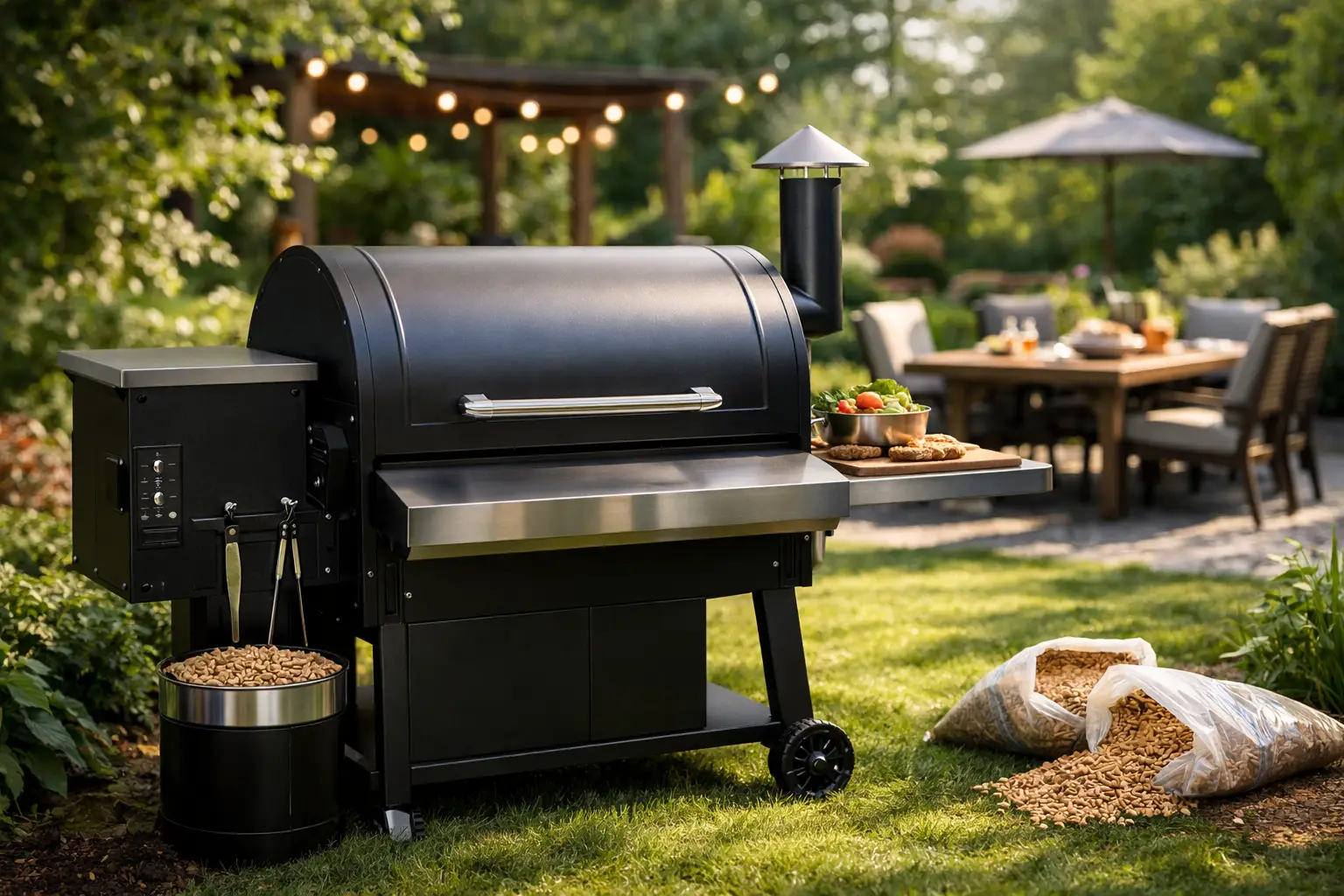
Learn how to choose pellet grill for your garden with expert advice on size, features, build quality and budget for better outdoor cooking.