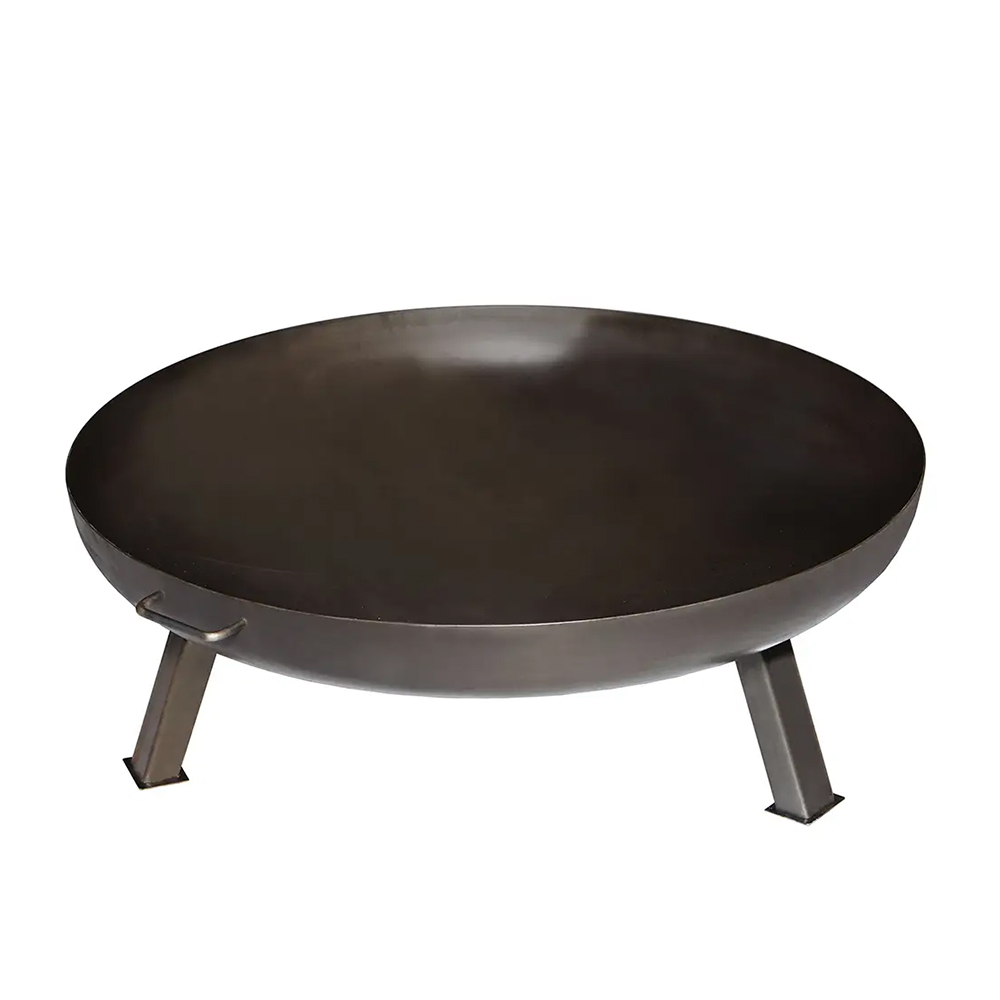
Cooking on a Fire Pit: Grills, Planchas and What Works
Most fire pits are bought for warmth and then, at some point, someone puts a sausage over them. That is

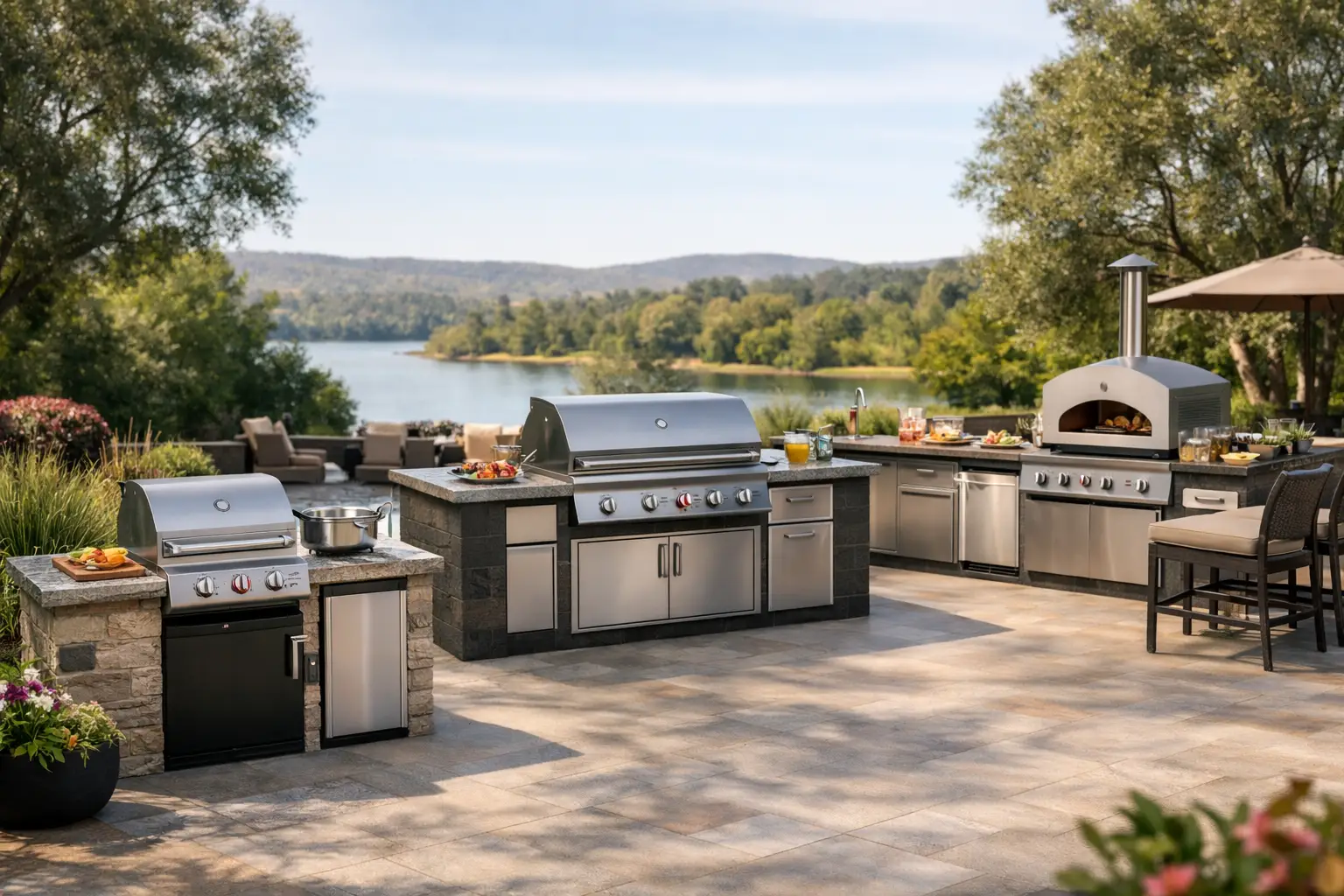
The wrong outdoor kitchen size usually reveals itself the first time you host. There is nowhere to plate food, guests gather in front of the grill, and the person cooking ends up shuffling between doors, drawers and worktops that looked generous on paper. If you are asking what size outdoor kitchen you need, the real answer starts with how you cook, how often you entertain and how much of your garden you want this space to command.
A compact outdoor kitchen can work brilliantly for weeknight grilling and relaxed family meals. A larger layout earns its footprint when you want a true outdoor entertaining zone with refrigeration, storage, prep space and room for more than one cook. Size is not just about fitting appliances in. It is about creating a layout that feels easy to use and worthy of the investment.
For many UK gardens, the sweet spot sits between 2.4 and 4 metres in overall run length. That gives enough room for a built-in barbecue or grill, some usable worktop and a practical amount of storage without overwhelming the patio. At this size, the kitchen feels purposeful rather than token.
If your plan is a straight run against a wall or boundary, around 2.4 metres is often the minimum for a comfortable setup. That generally allows for a grill, a little landing space on either side and at least one cabinet for tools, fuel or serving pieces. Go smaller and you can still create an attractive cooking station, but prep space becomes tight very quickly.
Once you move beyond 3 metres, the kitchen starts to function more like a complete outdoor cooking area. This is where added luxuries such as a sink, outdoor fridge, pizza oven or extra drawer storage begin to make sense. At 4 metres and above, you have far more freedom to zone the space properly, separating cooking from prep and serving.
The easiest way to oversize or undersize a kitchen is to choose appliances first and ask questions later. A better approach is to think about what actually happens when you cook outdoors.
If you mainly grill burgers, chicken, vegetables and the occasional steak for immediate serving, you need less space than someone slow-cooking on a pellet grill, baking in a pizza oven and serving drinks from an integrated fridge. Different cooking styles create different space demands.
A barbecue-focused setup usually needs strong grilling capacity and decent landing space beside the main appliance. A pizza-led setup benefits from more prep area for stretching dough, topping and serving. If you entertain regularly, refrigeration and storage become more valuable because they reduce trips indoors and keep the whole occasion flowing.
That is why there is no single answer to what size outdoor kitchen is right. Two households with the same patio dimensions can need completely different layouts.
If space is limited, aim for enough room to do three things well: cook safely, place hot food down immediately and keep essential tools close to hand. In practical terms, that often means a grill or barbecue at the centre, a short section of worktop and one or two cabinets below.
For a smaller garden, a straight modular kitchen can be the smartest option. It keeps everything compact, preserves patio space and still delivers a premium built-in look. This sort of layout suits homeowners who want a dedicated outdoor cooking zone without turning the entire garden into a kitchen.
Be realistic here. A very compact setup may look clean and design-led, but if there is nowhere to rest trays, prepare ingredients or store covers and accessories, it can become frustrating. Smaller can be elegant, but it still needs to work.
If outdoor entertaining is a major part of the brief, plan larger than your first instinct. Hosting places far greater demands on prep space, service flow and guest movement than casual family cooking.
A kitchen for entertaining often benefits from at least 3 to 4 metres of cabinetry and worktop, particularly if you want multiple appliances. That extra width allows one person to cook while another plates food or pours drinks without getting in each other’s way. It also helps keep hot, sharp and busy areas away from where guests naturally gather.
If you are adding bar seating or a dining area nearby, think beyond the cabinet dimensions alone. You need circulation space around the kitchen so people can move comfortably while doors, drawers and lids are open. The most successful outdoor kitchens feel social but never cramped.
A well-planned 3 metre kitchen can outperform a poorly planned 5 metre one. Layout determines whether the space feels efficient or awkward.
Straight runs are clean, simple and often ideal for patios where depth is limited. L-shaped kitchens offer better zoning and can create a more immersive cooking area. U-shaped designs provide generous workspace and storage, but they need the most room and suit larger gardens where the kitchen is a true destination.
Island layouts can look exceptional in premium garden schemes, especially when paired with seating, but they require careful spacing. You need room behind the cook for doors, lids and safe movement. In tighter gardens, an island can consume space better used for dining or lounging.
Think about the natural journey from fridge to prep area to cooking appliance to serving point. The kitchen should support that flow. If every step involves turning around, crossing traffic or reaching over hot surfaces, the design will feel tiring regardless of how large it is.
Worktop space is routinely underestimated. People focus on the grill, then realise later that all the practical tasks happen around it.
As a guide, try to include landing space on both sides of the main cooking appliance. One side handles raw ingredients and tools before cooking, while the other side is useful for trays, cooked food and plating. This does not need to be enormous, but it should be genuinely usable rather than decorative.
If you are adding a pizza oven, plan more work surface than you think you need. Dough, peels, toppings and serving boards quickly take over. The same applies if you enjoy more elaborate barbecue sessions with rubs, chopping boards, thermometers and resting trays.
Premium outdoor kitchens earn their keep when they reduce friction. That means enough surface area to cook properly, not just enough to complete a showroom image.
When judging what size outdoor kitchen to build, length is only part of the story. Depth matters just as much. Cabinets, appliance housings, lid openings and walking routes all affect how spacious the area feels.
You need comfortable standing room in front of the grill and enough clearance for cabinet doors and drawers to open fully. Nearby walls, fences, planters and dining furniture can all pinch that space if the design is too tight. A kitchen that fits physically can still fail functionally.
This is especially relevant with larger barbecues, kamados and built-in appliances that need ventilation, safe placement and practical servicing access. Good outdoor kitchen planning always balances aesthetics with real-world usability.
There is also a visual question. A large outdoor kitchen can look superb in a generous garden with a defined entertaining terrace. In a smaller setting, the same installation may dominate the space and leave too little room for seating, planting or open movement.
The best outdoor kitchens feel integrated into the wider garden design. They support the lifestyle of the space rather than swallowing it. If your patio is modest, a refined linear kitchen with premium appliances may deliver a stronger result than forcing in every possible feature.
For larger properties, however, this is where outdoor living can become something much more complete. A bigger kitchen paired with dining, lounge seating and perhaps a fire pit creates a space that holds people outdoors for hours, not just for the cooking itself.
If you are stuck, begin with the essentials: your main cooking appliance, usable prep space and practical storage. Then ask whether refrigeration, a sink, a second appliance or seating will genuinely improve how you use the space. Build from function, not from the fear of missing out.
For many homeowners, the right answer is neither the smallest kitchen that fits nor the largest one the patio can take. It is the size that lets cooking feel relaxed, hosting feel natural and the garden still feel balanced. That is where specialist planning and a quality modular approach make a real difference, because every extra cabinet or appliance should earn its place.
At Buschbeck Outdoor Living, that is the standard worth aiming for – an outdoor kitchen sized for the way you actually cook, host and enjoy your garden, not just the way it looks on a plan. Choose the space that gives you room to create unforgettable moments, and you will feel the value every time people gather around it.
Most fire pits are bought for warmth and then, at some point, someone puts a sausage over them. That is
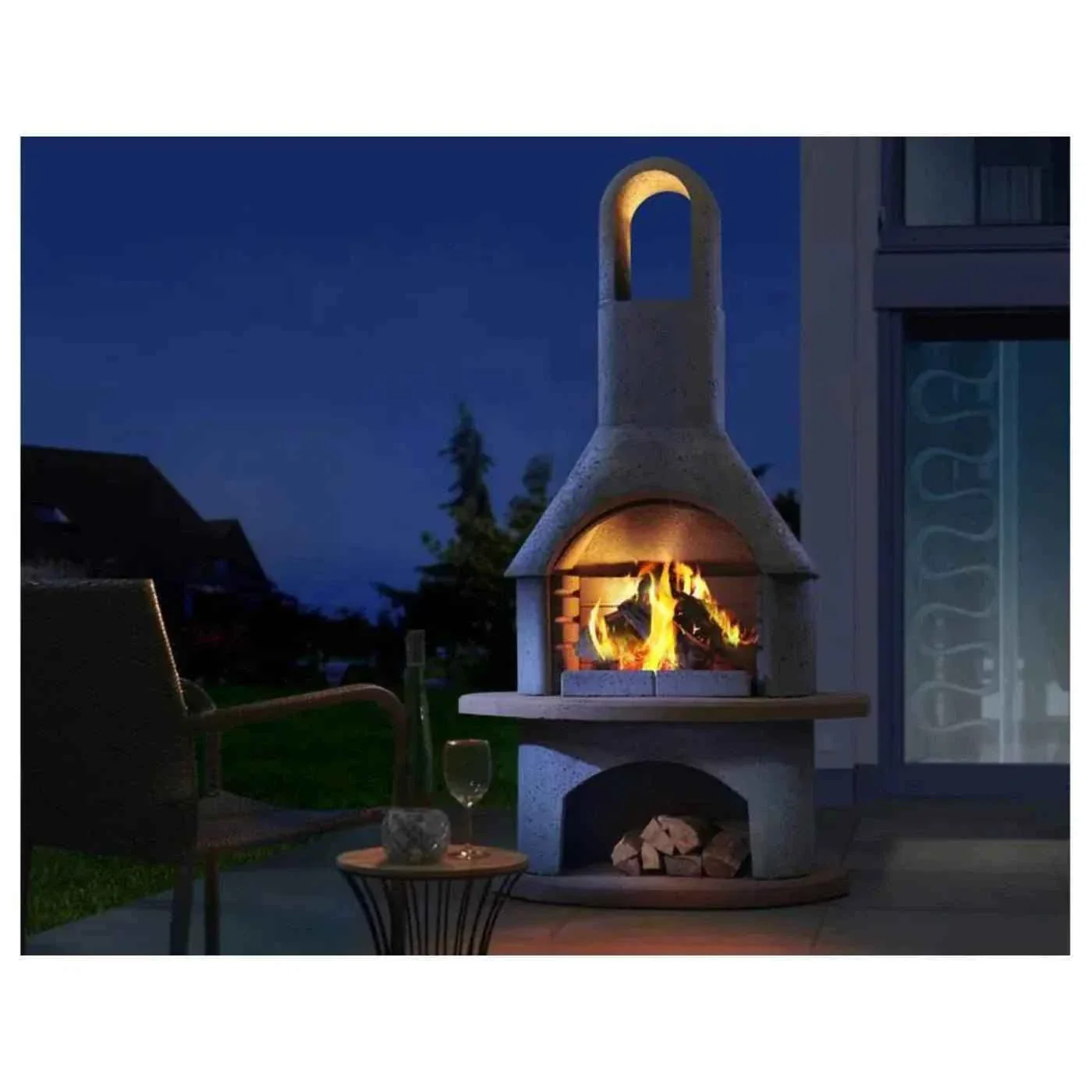
The August bank holiday falls on Monday 31 August this year, and for most British households it is the last