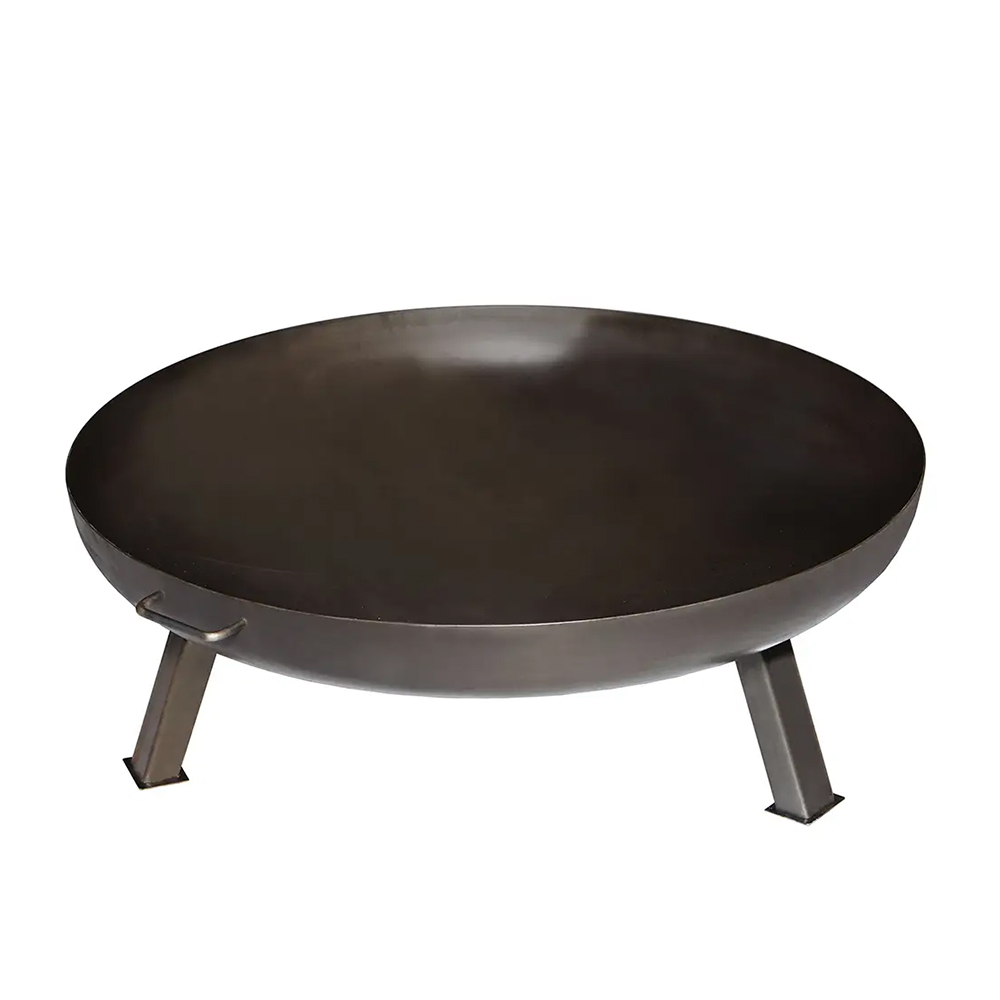
Cooking on a Fire Pit: Grills, Planchas and What Works
Most fire pits are bought for warmth and then, at some point, someone puts a sausage over them. That is

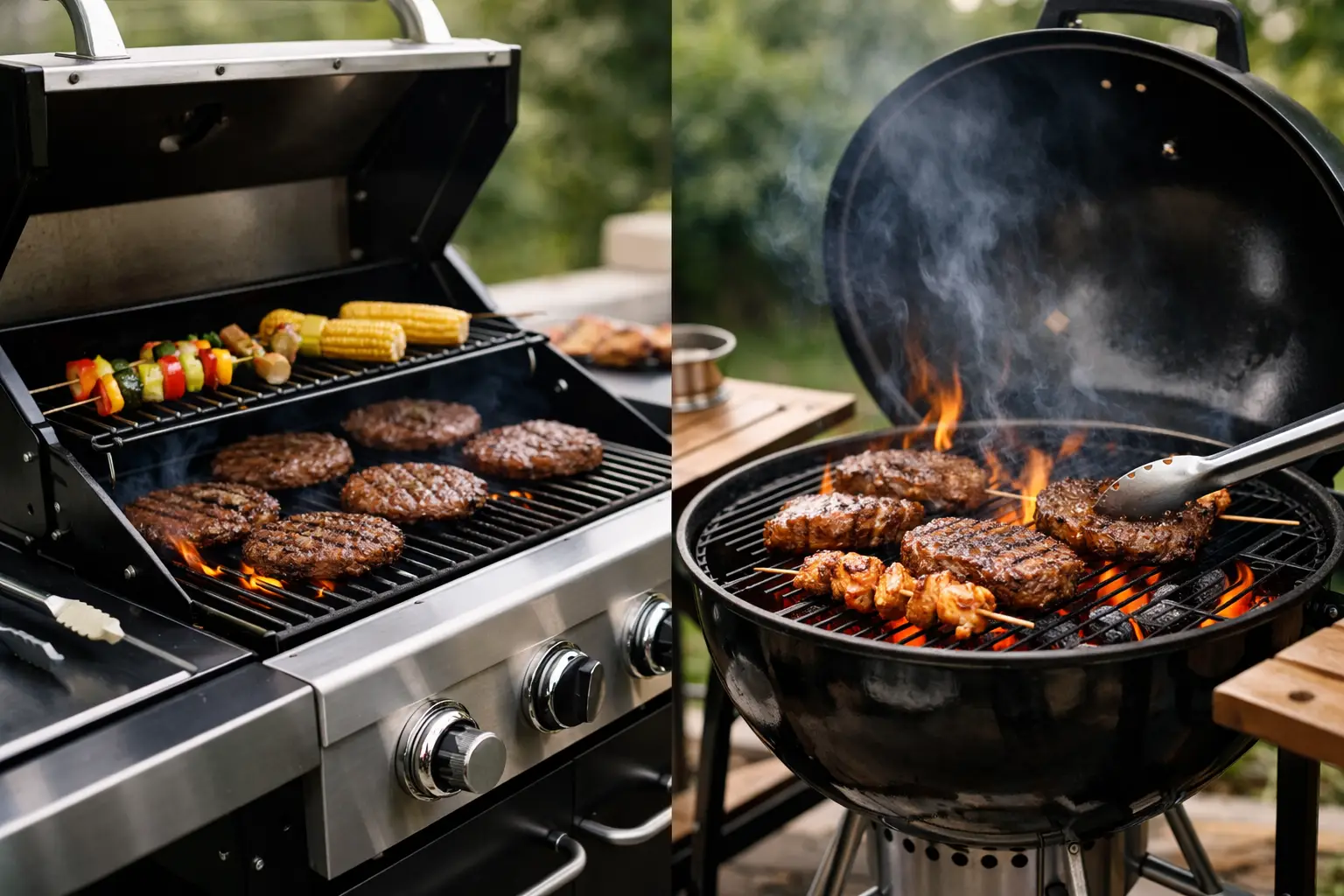
Saturday evening, friends due in an hour, and the weather is finally behaving – this is where the petrol vs charcoal barbecue question stops being theoretical. The right choice affects how you cook, how you host and how your garden feels when everyone gathers outside. For some households, speed and control matter most. For others, fire, smoke and ritual are part of the whole point.
There is no single winner here. A premium barbecue should suit the way you actually live outdoors, not the way you imagine you might cook twice a summer. If you are planning anything from relaxed family grilling to a fully designed outdoor kitchen, understanding the trade-offs between petrol and charcoal will help you invest with confidence.
At a glance, petrol barbecues are about ease, control and consistency. Turn the burners on, preheat, and you are cooking in minutes. They suit busy households, regular midweek use and hosts who want reliable results without much setup or clean-up.
Charcoal barbecues are more hands-on. Lighting the fire, managing airflow and building heat zones are all part of the process. That extra involvement is exactly what many enthusiasts love. A charcoal grill brings theatre to outdoor cooking, along with the unmistakable aroma and character that comes from cooking over solid fuel.
The real difference is not simply fuel type. It is the experience. Petrol tends to feel like precision outdoor cooking. Charcoal feels more elemental, more tactile and often more social, because people naturally gather around live fire.
If flavour is the first thing on your mind, charcoal has a natural advantage. As fat and juices hit the coals, they create smoke that rises back through the food, adding depth that is hard to replicate exactly on petrol. That is why so many traditionalists still favour charcoal for steaks, burgers, chicken thighs and anything with a bit of fat to render.
That said, petrol should not be dismissed as flavourless. A well-designed petrol barbecue with quality burners, heat distribution and the right accessories can produce excellent results. You still get caramelisation, char lines and strong roasting performance. For many cooks, especially those preparing mixed menus for a crowd, the flavour difference matters less than the ability to cook everything evenly and on time.
It also depends on what you like to cook. If you are aiming for low-and-slow barbecue, charcoal offers more natural smoke character. If you are grilling fish, vegetables, sausages and halloumi for a summer lunch, petrol can feel cleaner, more controlled and less fussy.
This is where petrol usually pulls ahead. A petrol barbecue is fast to ignite, quick to preheat and simple to adjust. If you want to cook after work or make outdoor dining part of everyday life in summer, petrol removes much of the friction.
That convenience changes how often a barbecue gets used. Many owners picture long weekend sessions, then discover their grill becomes far more valuable when it can handle Tuesday kebabs or a quick tray of vegetables with minimal effort. In practical terms, petrol often encourages more frequent use because it behaves more like an outdoor extension of the kitchen.
Charcoal asks for more time. You need to light it properly, wait for the coals to settle, then manage the temperature through vents and fuel levels. For people who enjoy the process, that is not a drawback. It is part of the appeal. But if speed matters, or if you regularly cook for children who are already hungry, petrol is a very easy argument to win.
One reason petrol appeals to beginners and experienced hosts alike is precision. Multiple burners allow you to create distinct cooking zones with very little effort. You can sear over high heat, keep food warm on a lower setting and avoid flare-ups more easily than on many charcoal setups.
That level of control is especially valuable when you are cooking a full meal rather than just a batch of burgers. Think chicken pieces that need steady heat, vegetables that benefit from gentler roasting, or larger cuts that require indirect cooking. Petrol makes this style of entertaining feel organised and polished.
Charcoal can absolutely deliver brilliant heat control, but it takes more skill. Arranging coals, adjusting vents and reading the fire are learned techniques. For enthusiasts, that craft is rewarding. For less confident cooks, it can introduce a degree of unpredictability, particularly in the early stages of ownership.
The upfront price and ongoing fuel costs vary widely depending on the level of barbecue you choose. Premium petrol barbecues can require a higher initial investment, especially if you want multiple burners, side burners, rotisserie options or built-in capability for an outdoor kitchen.
Charcoal grills can start at lower price points, though high-end ceramic, steel or masonry models can also represent a serious investment. The difference is that charcoal usually feels simpler at the entry level, while petrol becomes more feature-rich as you move upmarket.
In day-to-day use, the cost question is more nuanced than many people expect. Charcoal is a recurring purchase, and good-quality lumpwood or briquettes make a difference to performance. Petrol requires refillable bottles or a mains connection where suitable, but can be efficient and predictable over time. If you grill frequently, convenience may outweigh minor fuel cost differences.
Value is really about fit. A barbecue that gets used twice a year is poor value whatever the fuel. A premium model that transforms how you cook and entertain for years can justify its place very quickly.
Petrol generally wins on ease of ownership. Once cool, you are mostly dealing with grill grates, drip trays and the usual surface cleaning. High-quality materials and thoughtful design make a noticeable difference here, especially if the barbecue lives outdoors through much of the season.
Charcoal creates more ash and more post-cook mess. You will need to dispose of spent fuel safely, clean out the firebox and accept that soot and residue are part of the territory. None of this is difficult, but it is less convenient.
Maintenance also depends on build quality. Better barbecues, whether petrol or charcoal, tend to offer stronger construction, better heat retention and longer-term durability. For UK gardens, where exposure to the elements is always part of the equation, premium materials matter.
For homeowners creating a more refined outdoor cooking space, the petrol vs charcoal barbecue decision often connects to the wider garden design. Petrol barbecues lend themselves especially well to built-in installations and modular outdoor kitchens. They support a cleaner, more architectural look and pair naturally with refrigeration, storage and prep areas.
Charcoal has a different kind of presence. A well-made charcoal grill, kamado or masonry barbecue can become a visual centrepiece, bringing warmth and authenticity to the space. It feels less like an appliance and more like a destination.
This is worth considering if outdoor cooking is part of a larger lifestyle investment. The barbecue should not only cook well – it should suit the atmosphere you want to create, whether that is sleek and contemporary or more traditional and fire-led.
If you host often, want quick starts, prefer precise temperature control and like the idea of your barbecue working as an extension of the kitchen, petrol is likely the better fit. It is particularly strong for families, frequent entertainers and anyone building a premium outdoor kitchen.
If you enjoy the craft of cooking, care deeply about smoke-led flavour and want the ritual of fire as part of the occasion, charcoal is hard to beat. It suits enthusiasts, weekend cooks and homeowners who see outdoor cooking as an experience rather than simply a way to prepare dinner.
There is also a middle ground. Many committed outdoor cooks eventually own more than one format because different occasions call for different strengths. That is one reason specialists such as Buschbeck Outdoor Living place such emphasis on helping customers choose according to cooking style, space and long-term ambitions rather than trends alone.
A barbecue earns its place when it becomes part of the rhythm of your home – quick suppers on bright evenings, slower weekends with guests, and those moments when the garden starts to feel like the best room in the house. Choose petrol if convenience and control will help you cook outdoors more often. Choose charcoal if flavour, theatre and fire are what draw you outside in the first place.
Either way, buy for the experience you want to create, not just the specification sheet.
Most fire pits are bought for warmth and then, at some point, someone puts a sausage over them. That is
The August bank holiday falls on Monday 31 August this year, and for most British households it is the last