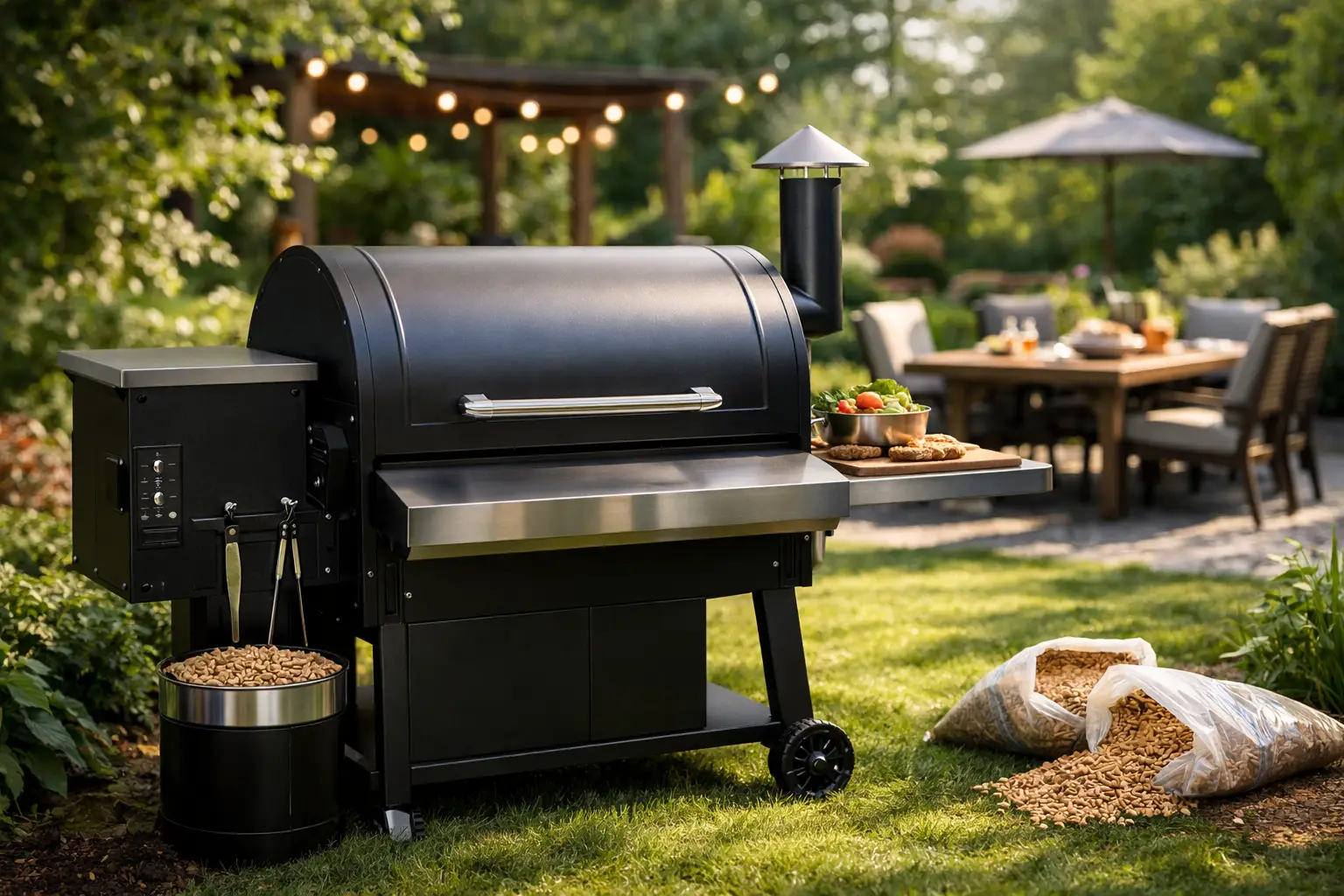
How to Choose Pellet Grill for Your Garden
Learn how to choose pellet grill for your garden with expert advice on size, features, build quality and budget for better outdoor cooking.

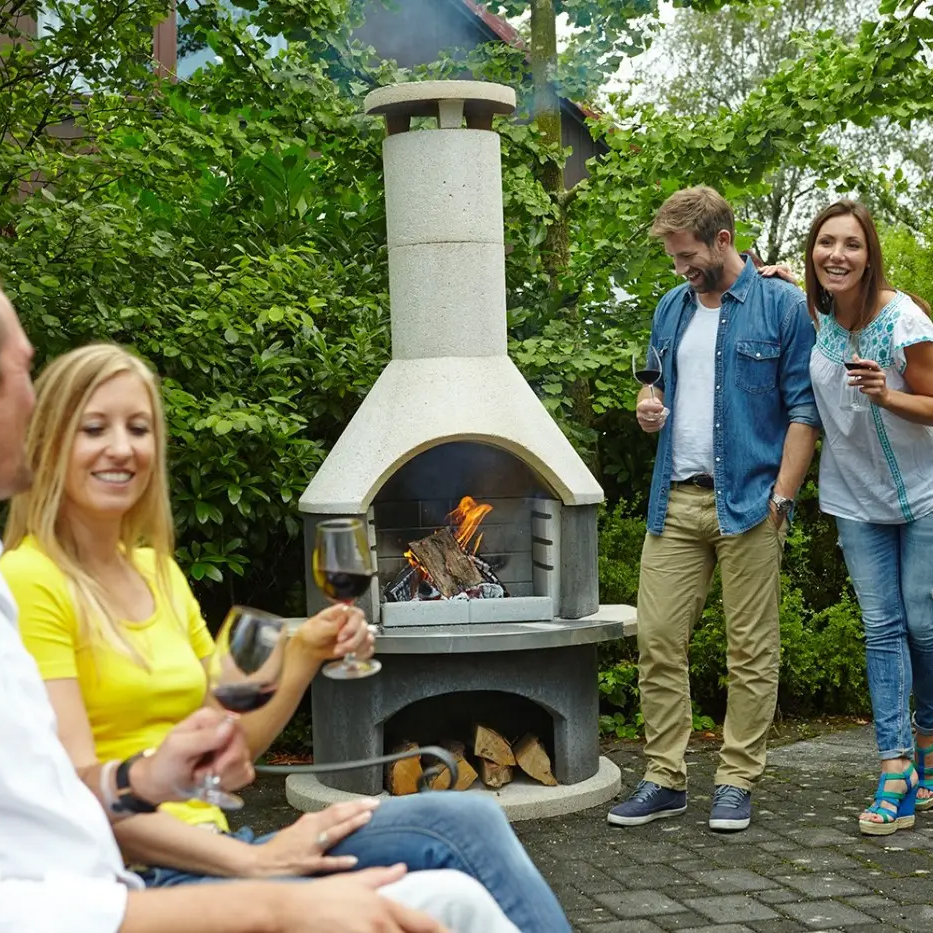
A masonry barbecue changes the feel of a garden in a way few outdoor cooking products can. It is not just another barbecue wheeled out for sunny weekends. The right choice becomes a permanent focal point for relaxed family meals, long summer evenings and more ambitious outdoor entertaining. That is why a proper masonry barbecue buying guide matters – especially if you want something that looks the part, cooks well and earns its place on the patio for years.
Unlike portable barbecues, masonry models ask for a little more thought upfront. You are choosing a structure as much as a cooker, and that means balancing appearance, cooking style, available space and practical installation. Get it right and you have a garden feature that feels built in to the way you live outdoors. Get it wrong and even a premium model can feel oversized, underused or awkwardly placed.
A masonry barbecue is designed to be semi-permanent or permanent, with a body typically constructed from concrete, stone-effect materials or refractory components built to withstand high temperatures and outdoor conditions. For many homeowners, the appeal starts with aesthetics. A masonry barbecue gives a garden more presence than a lightweight metal unit, and it often suits patios, terraces and landscaped entertaining areas far better.
There is also a lifestyle difference. These barbecues tend to encourage more deliberate outdoor cooking. They look ready for use, they anchor the space and they naturally draw people together. If you are creating an outdoor kitchen feel without committing to a full cabinet-and-appliance installation, masonry is often the sweet spot.
That said, permanence is a trade-off. You gain stability, style and durability, but you lose flexibility. If you expect to move house soon, rework your patio regularly or tuck your barbecue away in winter, a masonry model may not be the best fit.
The smartest place to begin is not with finish or footprint. It is with food. Think about what you actually want to cook and how often you entertain.
If your idea of outdoor cooking is simple burgers, sausages and the occasional chicken skewer, you may not need the largest grill area available. On the other hand, if you enjoy cooking for extended family, hosting neighbours or serving different foods at once, grill width and height-adjustable cooking positions become far more important. A larger cooking area gives you room to manage direct and gentler heat, which makes a noticeable difference when cooking mixed menus.
Fuel type matters too. Many masonry barbecues are designed for charcoal and wood such as the Buschbeck range of masonry barbecues and that suits buyers who enjoy traditional barbecue flavour and a more hands-on cooking style. Some models can also work with additional firebox components or accessories such as the Buschbeck Gas Burner insert that improve heat control and versatility. If you like the ritual of lighting, managing embers and cooking over live heat, masonry and charcoal are a natural pairing.
This is where expectations need to be realistic. A masonry barbecue can deliver character and theatre in abundance, but it will not offer the same quick-start convenience as a gas barbecue. For some households, that is part of the appeal. For others, it means the barbecue is used less often than expected.
One of the most common mistakes is choosing with the eye rather than the tape measure. A masonry barbecue should feel substantial, but it still needs to sit comfortably within the garden.
Look beyond the product dimensions. Consider working space around the grill, room for guests to gather without crowding the cook, and safe distances from fencing, planting and structures. If you are creating a dining zone or outdoor kitchen area, the barbecue should complement the space rather than dominate it.
In smaller gardens, a compact masonry model can still create a premium look without making the patio feel cramped. In larger spaces, a broader design with side tables or log storage can help the barbecue hold its own visually. Scale matters. A barbecue that is too small can look lost, while one that is too large can make the whole layout feel less refined.
Placement also affects wind exposure and ease of use. A beautiful barbecue tucked into the wrong corner often becomes an inconvenient one. You want a location that feels integrated with dining and seating, while still offering practical ventilation and a sensible working area.
At first glance, many masonry barbecues can appear similar. The real differences tend to show up in material quality, heat resistance and long-term finish.
A well-made model should use components designed to handle repeated heating and cooling without deteriorating quickly. The grill itself should feel solid and durable, and cooking supports should offer confidence when loaded with food. Surface finish matters as well. A masonry barbecue is part cooking appliance, part garden feature, so appearance after a few seasons counts.
This is one area where buying from a specialist retailer is worthwhile. Premium curation tends to filter out products that look attractive in a photograph but disappoint in real-world ownership. Better models justify their price through stronger materials, better engineering and a more satisfying sense of permanence once installed.
If you are comparing price points, ask yourself whether the barbecue is intended as a short-term purchase or a genuine upgrade to your outdoor living space. The cheapest option often stops looking economical once weathering, wear or limited cooking performance become obvious.
A masonry barbecue is not a casual impulse buy. Even straightforward models require careful assembly, and some need more planning than buyers first expect.
Before purchasing, think about the base. You will need a stable, level surface capable of supporting significant weight. Patios are often suitable, but condition and materials matter. If the area is uneven or already due for renovation, it makes sense to address that first rather than build around a compromise.
Assembly time varies by model, and while some confident DIY buyers are happy to manage the process, others prefer professional help for peace of mind and a cleaner finish. There is no shame in that. A masonry barbecue is meant to become a lasting feature, so proper installation is part of protecting the investment.
It is also worth considering access. A product may fit beautifully in its final position, but getting boxed components through side passages, gates or garden steps can be another matter entirely.
Not every extra is essential, but some features genuinely improve ownership. Height-adjustable grill positions are among the most useful because they give you more control over cooking intensity. Side shelves or preparation areas can make outdoor cooking feel far more practical, especially when entertaining.
Storage sections are another worthwhile detail if they suit the design. They can add visual balance and give the barbecue more architectural presence. Some buyers also value decorative finishes that help coordinate the barbecue with stone paving, rendered walls or other outdoor kitchen elements.
The key is to avoid paying for features that sound impressive but do not match your habits. If you rarely cook for a crowd, oversized grill space may be wasted. If appearance is central to your garden design, investing in a more polished finish may be money better spent.
A masonry barbecue is ideal for homeowners who see the garden as an extension of the home and want cooking equipment that contributes to the overall setting. It suits buyers who host regularly, care about presentation and prefer a more substantial, design-led outdoor cooking solution.
It may be less suitable if convenience is your top priority or if your outdoor space still changes often. In those cases, a premium freestanding charcoal or petrol barbecue might be a more flexible answer.
For many households, though, masonry hits a particularly attractive middle ground. It offers more visual impact and permanence than a standard grill, while remaining simpler and more affordable than a full built-in outdoor kitchen. That balance explains its enduring appeal.
The best masonry barbecue is not necessarily the biggest or most expensive. It is the one that suits your garden, your cooking style and the kind of entertaining you want to enjoy. A carefully chosen model can turn an ordinary patio into a true outdoor cooking destination.
If you are investing in a premium garden feature, specialist advice makes the process far easier. At Buschbeck Outdoor Living, the advantage is not just range but category depth – helping you compare formats, finishes and practical requirements so the barbecue you choose feels right long after installation day. Choose well, and your masonry barbecue will not simply fill a space in the garden. It will give people a reason to gather there.
Learn how to choose pellet grill for your garden with expert advice on size, features, build quality and budget for better outdoor cooking.
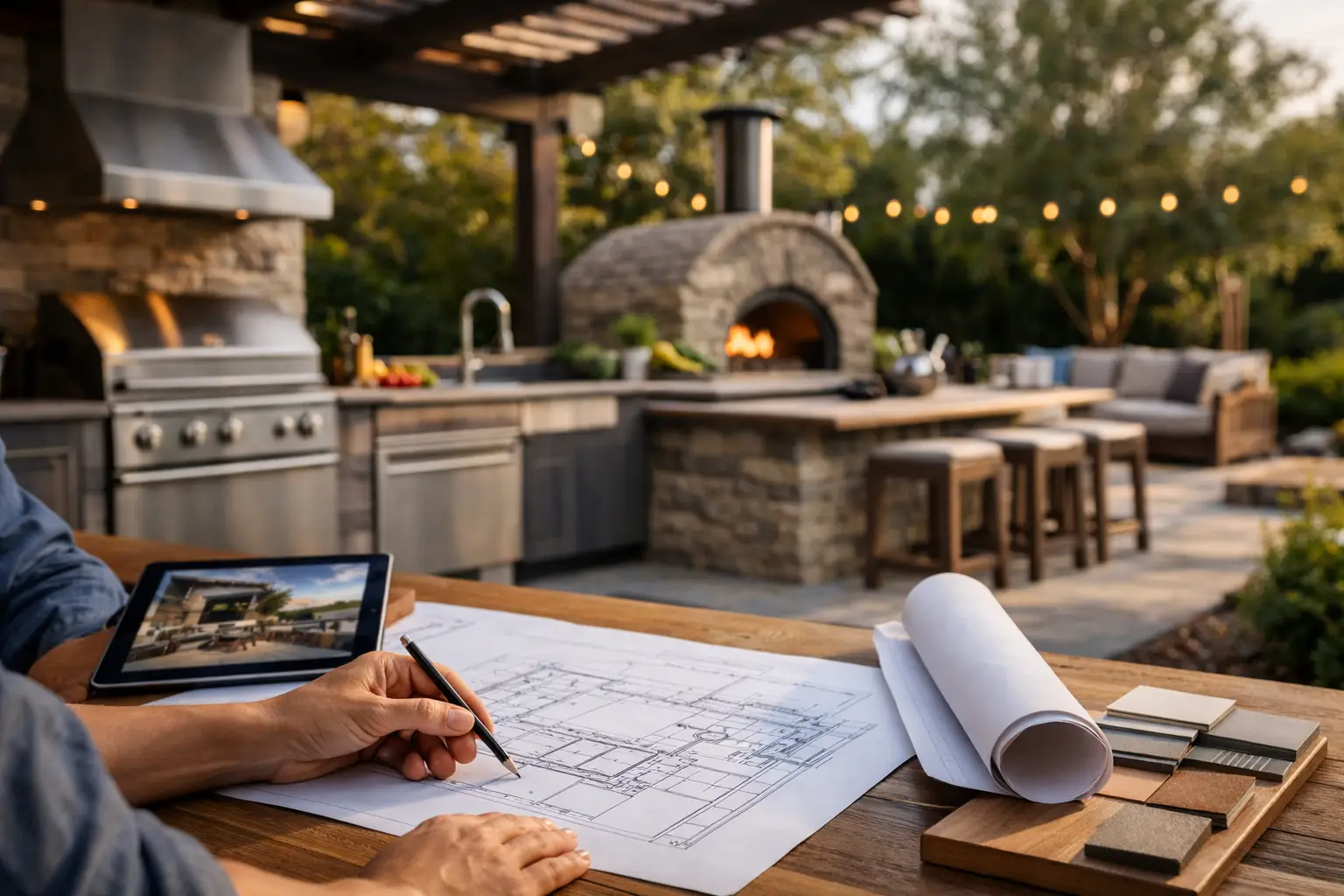
Learn how to plan outdoor kitchen layouts, appliances, storage and utilities for a stylish, practical garden cooking space that lasts.