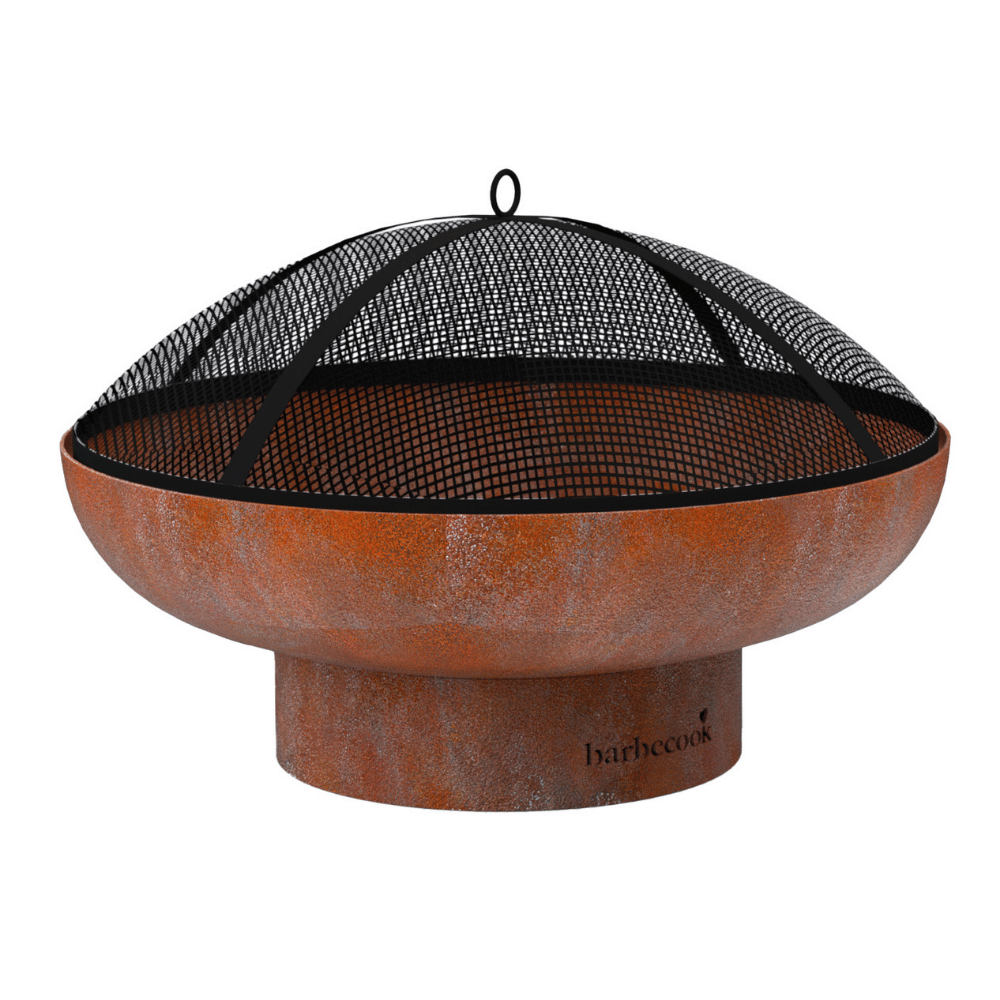
Fire Pit Safety: Siting, Surfaces and Sparks
Fire pit accidents are almost never dramatic. They are scorched decking, a melted section of artificial grass, a fence panel

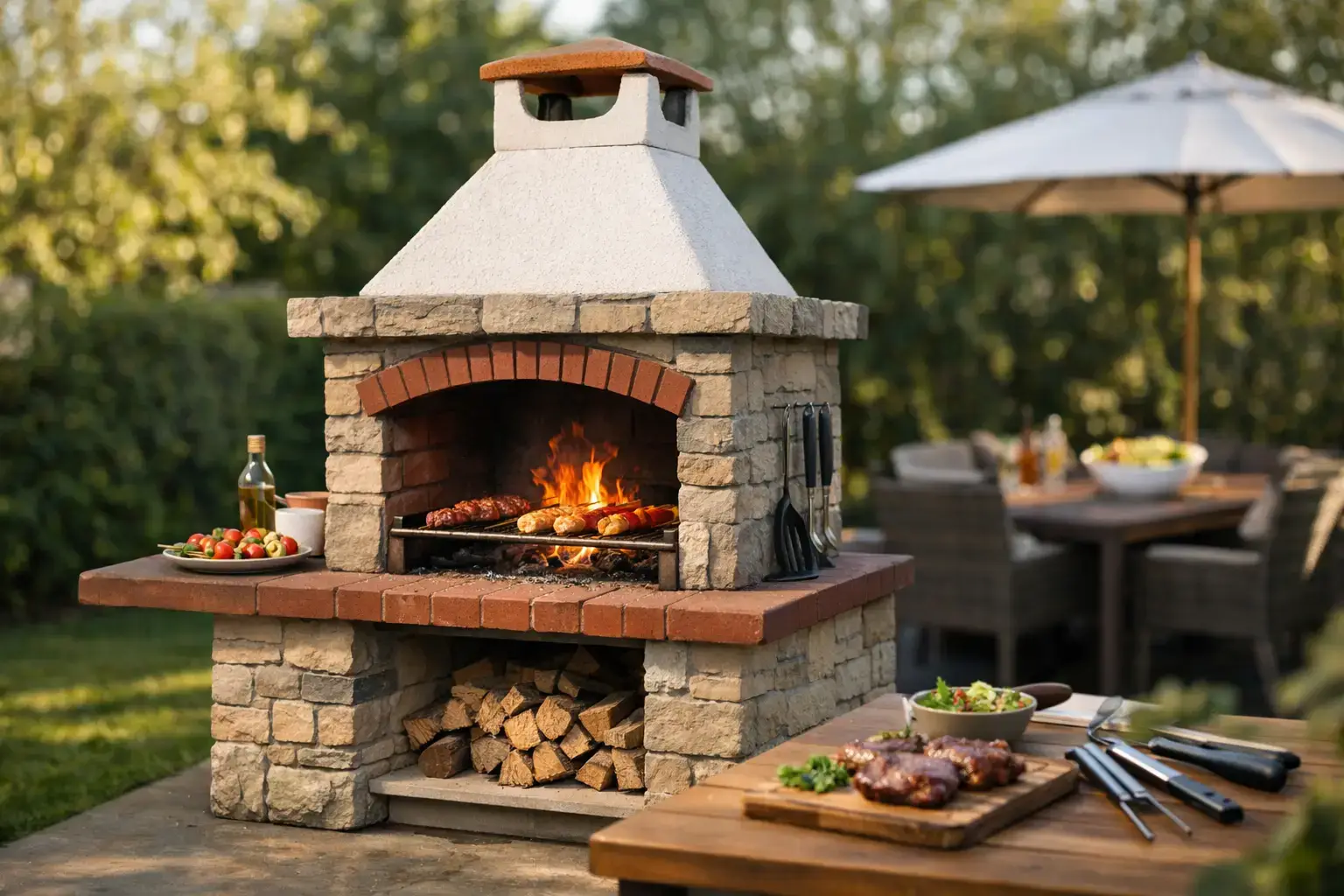
A flimsy barbecue can spoil a good garden faster than a summer shower. If you are investing properly in your outdoor space, a masonry barbecue makes far more sense – it looks permanent, cooks with real presence, and turns a patio into somewhere people actually want to gather.
That is why the question is not simply which model looks best in a brochure. The best masonry barbecue for garden use is the one that suits your space, your cooking style and how you entertain. For some households, that means a compact charcoal unit that anchors a terrace neatly. For others, it means a statement barbecue with storage, preparation space and enough cooking capacity to handle long Sunday lunches and bigger garden parties.
A masonry barbecue earns its place differently from a portable grill. You are not buying something to drag out of the shed for a few sunny weekends. You are choosing a fixed feature that affects the look of the garden, the way you cook outdoors and the kind of hosting you can do.
The best options combine three things well. First, they need to be visually right for the setting. A masonry barbecue should feel integrated with the patio, not dropped into it as an afterthought. Second, it needs to perform reliably as a cooker, with a well-designed grill area, practical fuel access and materials that can cope with repeated heating. Third, it should match how you actually use your garden. There is no value in buying a large, imposing structure if you mostly cook for two, just as a small model can quickly feel limiting if you entertain regularly.
For many UK homeowners, masonry barbecues appeal because they deliver more than cooking alone. They add structure to the garden and help create that sense of an outdoor room rather than a loose collection of furniture and accessories. On a design level, they pair naturally with paving, rendered walls, outdoor kitchens and landscaped entertaining zones.
There is also a practical advantage. A well-made masonry barbecue feels sturdier and more substantial than many entry-level metal barbecues. It becomes part of the garden layout, which often encourages more frequent use. When the barbecue is always ready and looks the part, outdoor cooking becomes less of an occasional event and more of a natural way to host family and friends.
That said, masonry is not for everyone. If you expect to move house soon, want complete flexibility on position or prefer the convenience of instant gas ignition, another barbecue type may suit you better. This is a long-term purchase, and it should be treated as one.
One of the biggest mistakes people make is focusing on grill area alone. The footprint matters just as much. A masonry barbecue may not be especially deep in some designs, but it still needs breathing room around it for safe cooking, serving and socialising.
In a compact garden, a slimmer masonry barbecue can work beautifully if it leaves enough room for dining furniture and movement. In larger gardens, a broader unit with side surfaces or wood storage can look more balanced and feel more useful. The barbecue should complement the scale of the patio. If it dominates the whole entertaining area, it can make the garden feel cramped rather than elevated.
Think too about how many people you usually cook for. A couple who enjoy relaxed weekday grilling need something very different from a household that hosts extended family through spring and summer. Bigger is not automatically better. The sweet spot is a model that feels generous without wasting space or fuel.
If you are searching for the best masonry barbecue for garden settings in the UK, weather resistance matters. Our climate is rarely gentle, so the quality of construction is not a minor detail. Masonry barbecues should feel solid, stable and designed for outdoor life rather than occasional fair-weather use.
Pay close attention to the body material, firebox area and grill components. Some models use attractive finishes that look excellent at first glance but matter less than the parts exposed to repeated heat. The real test is whether the cooking area is built to handle regular firing and whether replacement parts are available where needed.
Colour and texture also deserve more thought than many buyers give them. White and light stone finishes can brighten a patio and create a classic Mediterranean look, while darker tones tend to sit well in more contemporary garden schemes. The right choice depends on nearby paving, brickwork, fencing and planting. A masonry barbecue should feel considered, especially in premium outdoor spaces where visual coherence matters.
Most masonry barbecues are closely associated with charcoal cooking, and that is a large part of their appeal. Charcoal delivers the atmosphere, aroma and live-fire character many people want from outdoor entertaining. It suits slower, more hands-on cooking and creates a more traditional barbecue experience.
But even within that format, there are differences. Some masonry barbecues are designed around straightforward grilling. Others offer more flexibility with adjustable grill heights, larger fuel beds or configurations that let you cook for longer with better heat control. If you enjoy proper barbecue technique rather than just quick burgers and sausages, these details become far more important.
Be honest about how involved you like your cooking to be. If tending coals and managing heat sounds like part of the fun, masonry is an excellent fit. If you want instant convenience every time, a premium gas barbecue or outdoor kitchen setup may align better with your lifestyle.
A masonry barbecue is fixed, so location needs careful thought. It should be close enough to the house to make food preparation and serving easy, but not so close that smoke becomes an irritation around doors and windows. It also needs to feel connected to the entertaining area, otherwise guests drift elsewhere and the cooking zone feels isolated.
Wind direction is worth considering, particularly in more exposed gardens. A barbecue that constantly throws smoke across the dining table will quickly lose its charm. Surface levels matter too. These units need a proper, stable base, and they look best when integrated into the wider patio or terrace design.
This is often where specialist advice makes a real difference. At Buschbeck Outdoor Living, many customers are not just choosing a barbecue – they are shaping a better outdoor cooking space overall. The right model in the wrong position can still disappoint, while the right model in the right setting can transform how the garden is used.
Not every masonry barbecue needs every extra, but some features genuinely improve the experience. Adjustable cooking heights are especially useful because they give you more control over heat. Storage sections for logs or charcoal can also add both practicality and visual weight, particularly on larger models.
Preparation surfaces are valuable if you cook regularly outside. Even a modest side area can make serving and grilling feel far easier. If your garden is becoming a full outdoor entertaining zone, this kind of integrated function is often worth the investment.
By contrast, decorative details that add bulk without usefulness are only worthwhile if they genuinely suit the setting. The best choice is rarely the most elaborate model on the page. It is the one that gives you the right balance of cooking performance, presence and day-to-day practicality.
Traditional gardens often suit masonry barbecues with softer lines, lighter finishes and a more classic profile. They sit comfortably alongside stone paving, brick walls and planted borders. Contemporary spaces tend to work better with cleaner forms and a more restrained finish, especially where porcelain paving, slatted screening and modern garden furniture are involved.
It helps to think of the barbecue as part cooking appliance, part garden architecture. If you are already investing in a refined outdoor scheme, the barbecue should contribute to that standard rather than interrupt it. This is where premium curation matters. A stronger range gives you a better chance of finding a model that works aesthetically as well as technically.
The best masonry barbecue for garden use is not a single universal winner. It depends on whether your priority is compact efficiency, family-scale capacity, visual impact or a more complete outdoor cooking station. For smaller patios, a simpler masonry barbecue with a neat footprint can be the smarter buy. For serious hosts, a larger design with stronger grill control and useful storage often proves better value over time.
What matters most is buying with the whole garden in mind. Think about the patio layout, the style of the space, how often you cook outdoors and whether this barbecue is a standalone feature or the beginning of a broader outdoor kitchen plan.
Choose well, and a masonry barbecue does more than cook dinner. It gives your garden a focal point, your gatherings a sense of occasion, and your outdoor life a far more permanent flavour.
Fire pit accidents are almost never dramatic. They are scorched decking, a melted section of artificial grass, a fence panel
This question comes up most often just after someone has decided what they want and just before they spend the