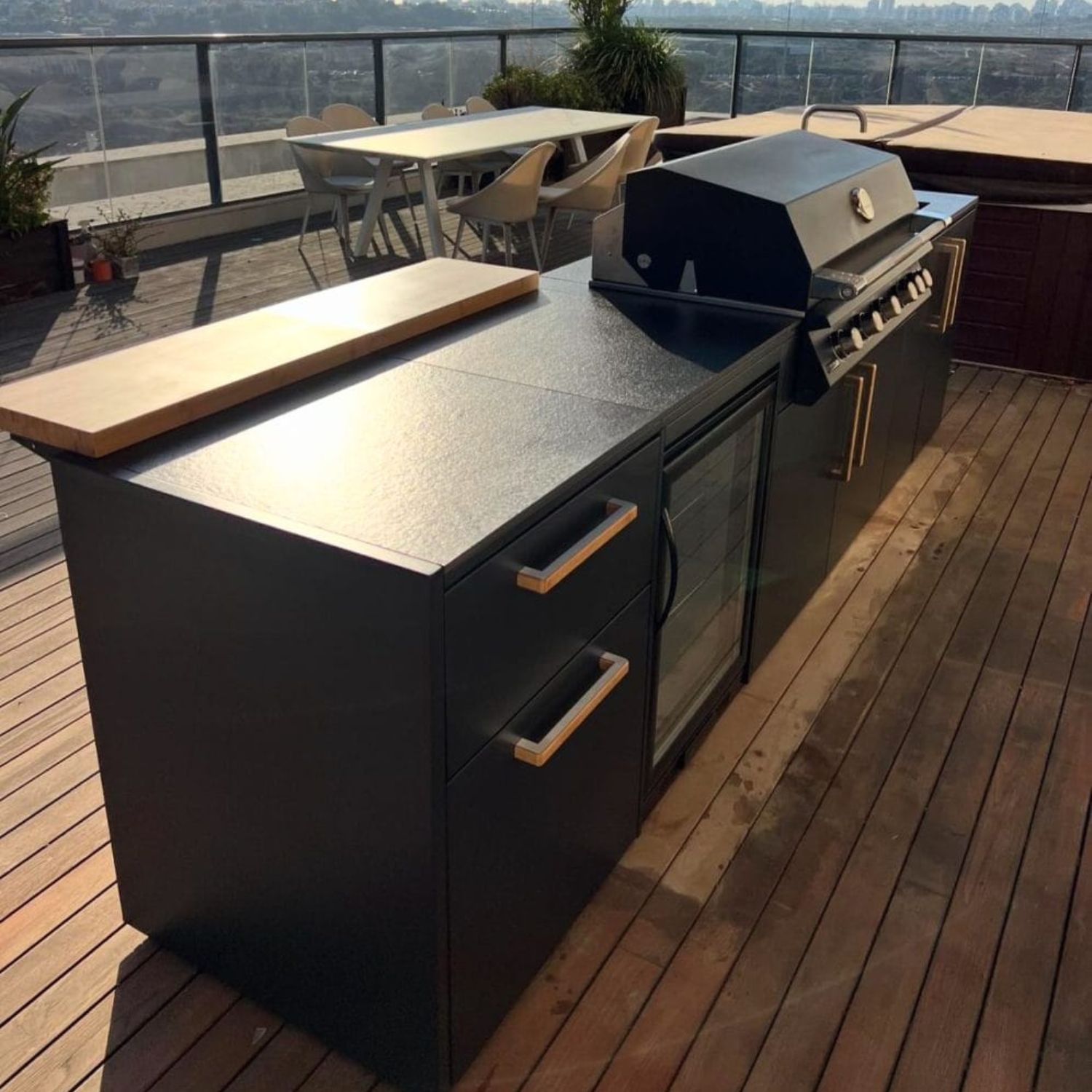
11 Modular Outdoor Kitchen Ideas That Work
Explore modular outdoor kitchen ideas for UK gardens, with smart layouts, premium finishes and practical tips for cooking, storage and hosting.

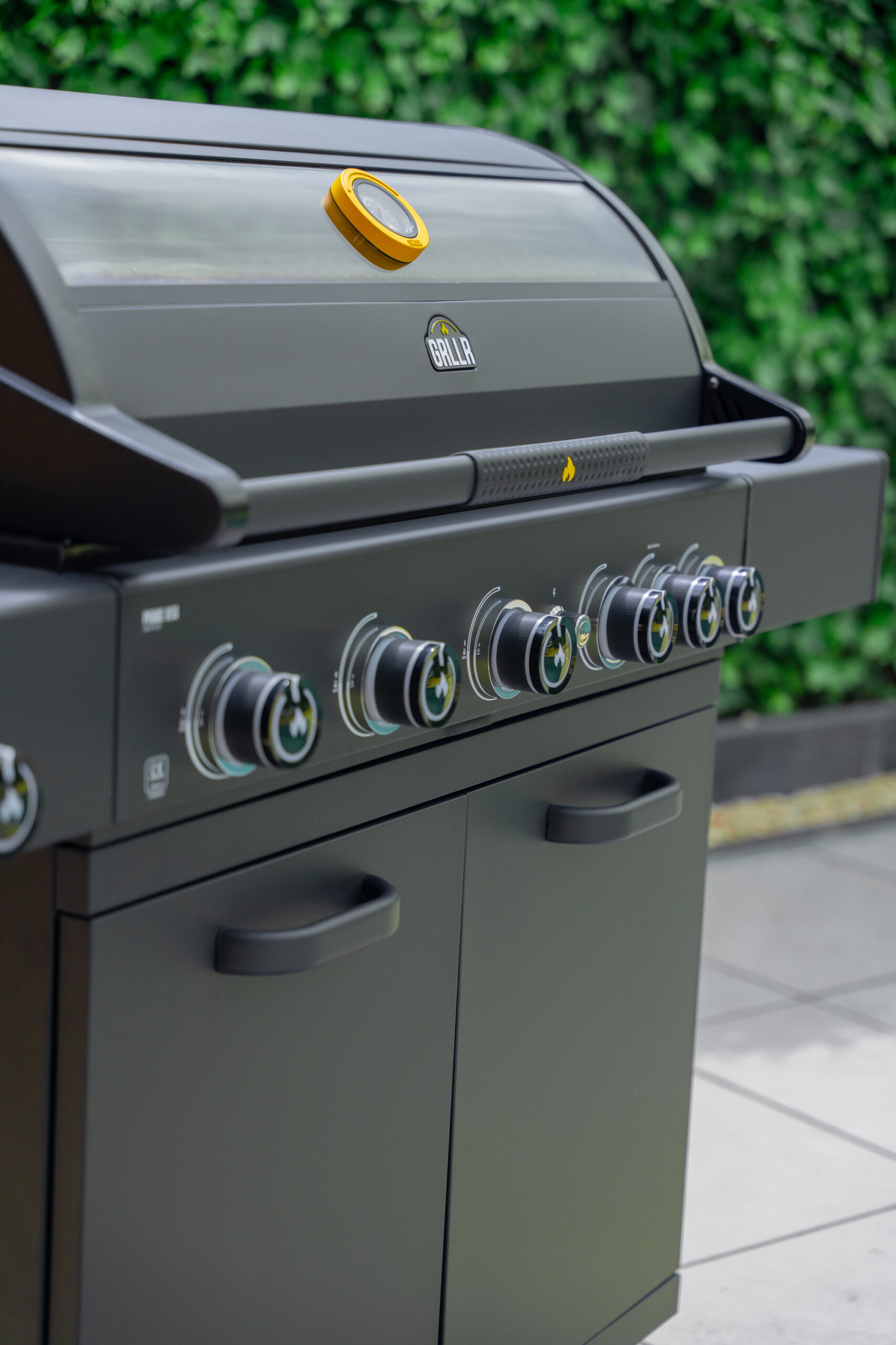
A gas barbecue usually earns its place in the garden for one simple reason – it gets used. Not just on the occasional hot Saturday, but on weeknights, family lunches and those slightly over-ambitious evenings when one quick burger turns into a full outdoor feast. That is why a good gas bbq buying guide should focus less on showroom shine and more on how the barbecue will actually perform once it becomes part of your outdoor routine.
For many UK homeowners, gas is the most practical route into better outdoor cooking. It is fast to light, easy to control and well suited to everything from relaxed family meals to larger-scale entertaining. The challenge is that not all gas BBQs are built for the same kind of cooking, and the right choice depends on how you live outdoors, how many people you cook for, and whether the barbecue is a standalone appliance or part of a wider outdoor kitchen plan.
A premium gas BBQ is not simply about convenience. It should give you responsive heat control, enough cooking area for the way you entertain, and a build quality that stands up to British weather. If you cook regularly, the difference between an entry-level model and a better-specified barbecue becomes obvious very quickly.
You will notice it in the way the lid holds heat, the consistency across the grill, the sturdiness of the controls and the overall feel of the cart or cabinet. A well-made gas BBQ feels composed. The parts fit properly, the burners light reliably and the whole unit is designed for repeated use rather than occasional novelty.
This matters even more if your barbecue is going to sit at the heart of a more considered garden scheme. For design-conscious buyers, the appliance has to earn its visual space as much as its cooking role. In that setting, finish, proportions and compatibility with built-in or modular outdoor kitchen layouts deserve just as much attention as headline cooking specs.
Shoppers often begin by comparing side burners, rotisseries and infrared zones. Those extras can be worthwhile, but they only make sense once the core size is right.
The first question is how many people you normally cook for, not your absolute maximum. A two-burner or compact three-burner model can be ideal for couples, smaller patios and households that mostly cook midweek suppers with the occasional weekend gathering. Move up to four or five burners and you gain more than extra grill space. You get more flexibility to create direct and indirect cooking zones, which is what allows a gas BBQ to handle more ambitious menus.
If you regularly host family and friends, a larger cooking area is worth having. It gives you room to grill meats over high heat while keeping vegetables, flatbreads or more delicate items at a gentler temperature. It also makes the whole experience more relaxed. You are not forced to cook in batches while guests wait.
That said, bigger is not always better. A barbecue that is oversized for your garden or your typical use can feel wasteful and awkward. It may take up valuable patio space and consume more fuel than necessary. The best fit is the one that suits your entertaining style while still feeling proportionate to the setting.
Burner count is useful, but it should not be mistaken for quality on its own. Four poorly designed burners are not better than three well-engineered ones. What matters is how evenly the barbecue distributes heat and how much control you have across the cooking surface.
Look for burners made from durable materials such as stainless steel, and pay attention to the reputation of the manufacturer. Better gas BBQs are designed to reduce flare-ups, improve heat retention and allow more precise adjustment between high and low cooking.
Heat output is another area where context matters. A high quoted kW figure can look impressive, but it does not tell the whole story. Efficiency, hood design, grill construction and burner layout all influence real-world performance. A well-built barbecue with thoughtful engineering often cooks better than one that simply shouts about power.
If your cooking style includes steaks, burgers and quick searing, strong direct heat matters. If you prefer roasting joints, cooking chicken on the bone or slower weekend sessions with multiple dishes, stable indirect heat matters just as much.
A gas BBQ may look excellent on first inspection, but long-term satisfaction usually comes down to materials and construction. This is especially true in the UK, where damp conditions and temperature swings are not kind to cheaper metalwork.
Stainless steel components, cast aluminium fireboxes, porcelain-enamelled cooking surfaces and well-fitted lids all contribute to better durability. Heavy-gauge materials generally hold heat more effectively and feel more solid in daily use. Hinges, handles, shelves and wheels may seem secondary, yet they are often the first signs of whether a barbecue has been built to a price or built to last.
There is also a difference between a barbecue that can survive outdoors and one that continues to look and perform like a premium appliance. For homeowners investing in a refined garden space, that distinction matters. A well-made gas BBQ should feel at home among quality paving, considered planting and outdoor furniture, not like a temporary compromise.
Some extras improve convenience immediately. Others only matter if they match the way you cook.
Side burners are useful if you want to prepare sauces, sides or pans outdoors rather than moving in and out of the kitchen. A warming rack helps when you are feeding a group and need to keep food ready without overcooking it. Built-in thermometers are now common, but they are most helpful when paired with a hood that genuinely retains heat well.
Searing zones and infrared burners appeal to those who want steakhouse-style crust and fast caramelisation. Rotisserie systems are excellent for slower roasting and more theatrical outdoor entertaining. Storage cabinets can be particularly valuable if the barbecue forms part of a broader outdoor cooking station.
The key is honesty. If you mostly cook simple grills for the family, a reliable main cooking area matters more than a long list of specialist add-ons. If your garden is becoming a full entertaining space, those features may become far more relevant because they expand what the barbecue can do.
This is one of the most important decisions in any gas bbq buying guide because it affects not only budget, but the whole layout of your outdoor space.
A freestanding gas BBQ offers flexibility. It can be repositioned, upgraded more easily and works well for buyers who want a premium appliance without committing to a full outdoor kitchen installation. For many households, this is the right balance of performance and practicality.
A built-in gas BBQ is better suited to customers creating a permanent outdoor cooking area. It delivers a cleaner, more architectural finish and can sit alongside storage, refrigeration, sinks and preparation surfaces. The result is a more integrated entertaining environment, where cooking outdoors feels less like an add-on and more like a true extension of the home.
Neither option is universally better. It depends on whether you are buying a barbecue or planning an outdoor culinary space.
In the UK, most gas BBQs run on propane, which performs well in colder weather and is widely used for outdoor cooking. Before buying, it is worth checking where the bottle will sit, how easy it is to access and whether the barbecue cabinet conceals it neatly.
You should also think about cleaning. Removable grease trays, accessible burners and easy-to-lift cooking grates make routine maintenance far less of a chore. A barbecue that is awkward to clean often ends up being used less, no matter how capable it is.
Aftercare matters too. Spare parts availability, distributor backing and specialist advice can make a real difference over time. That is one of the advantages of buying from an established category specialist such as Buschbeck Outdoor Living rather than treating a gas BBQ as a generic seasonal purchase.
The best gas BBQ is not the one with the longest spec sheet. It is the one that fits your garden, your cooking style and the standard of outdoor living you want to create.
If you want quick, reliable family cooking, prioritise strong construction, sensible size and dependable heat control. If you love entertaining, look for a larger cooking surface, better zoning and features that let you prepare a fuller menu outside. If you are planning a premium patio or outdoor kitchen, think beyond the appliance itself and choose something that complements the wider space in both function and finish.
A good barbecue should make outdoor cooking feel easier, more enjoyable and more inviting. When it does that well, it stops being a purchase and starts becoming part of the way you host, cook and spend time at home.
Explore modular outdoor kitchen ideas for UK gardens, with smart layouts, premium finishes and practical tips for cooking, storage and hosting.
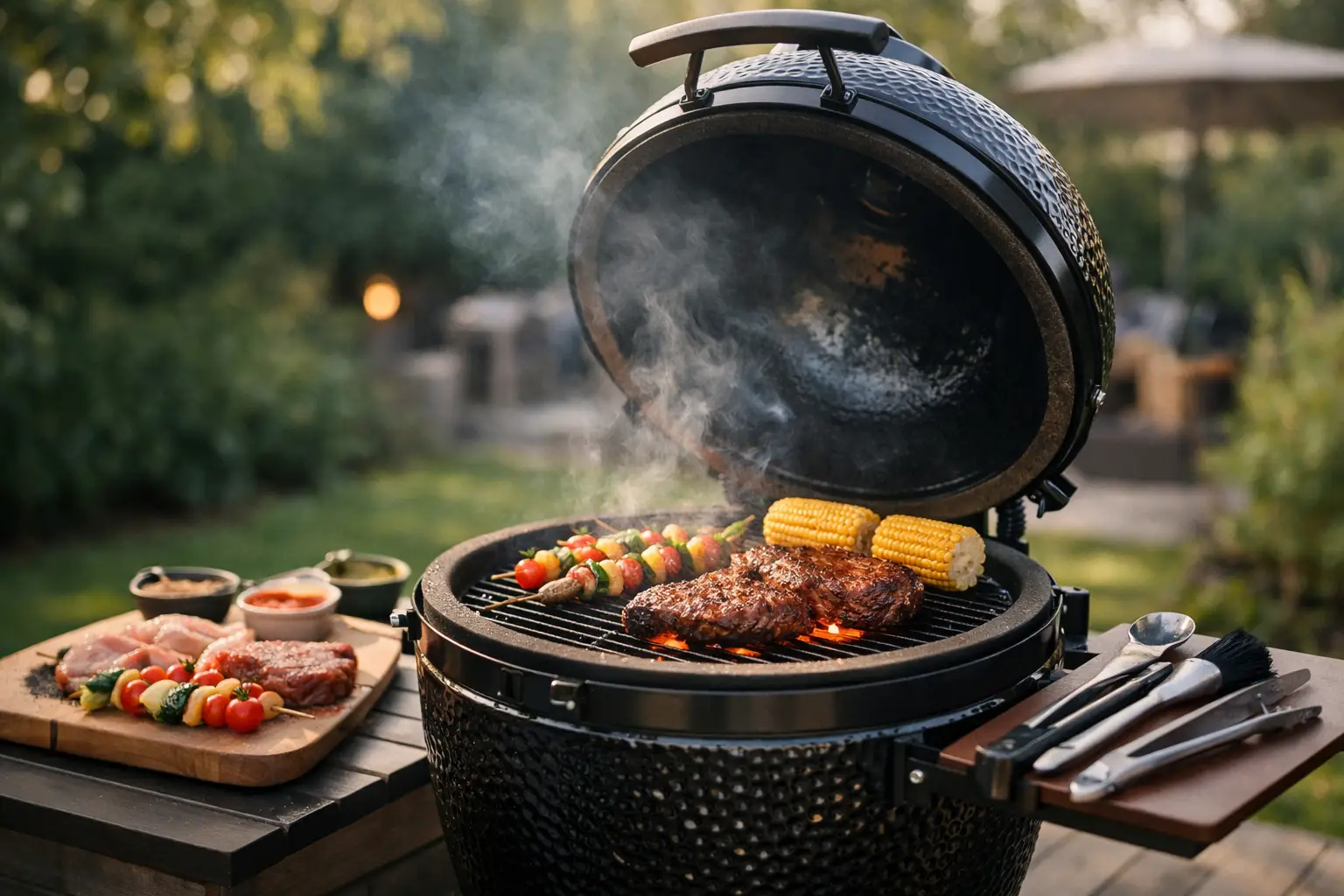
Kamado barbecue for beginners explained simply – how it works, what to buy, temperature control and easy first cooks for confident results.