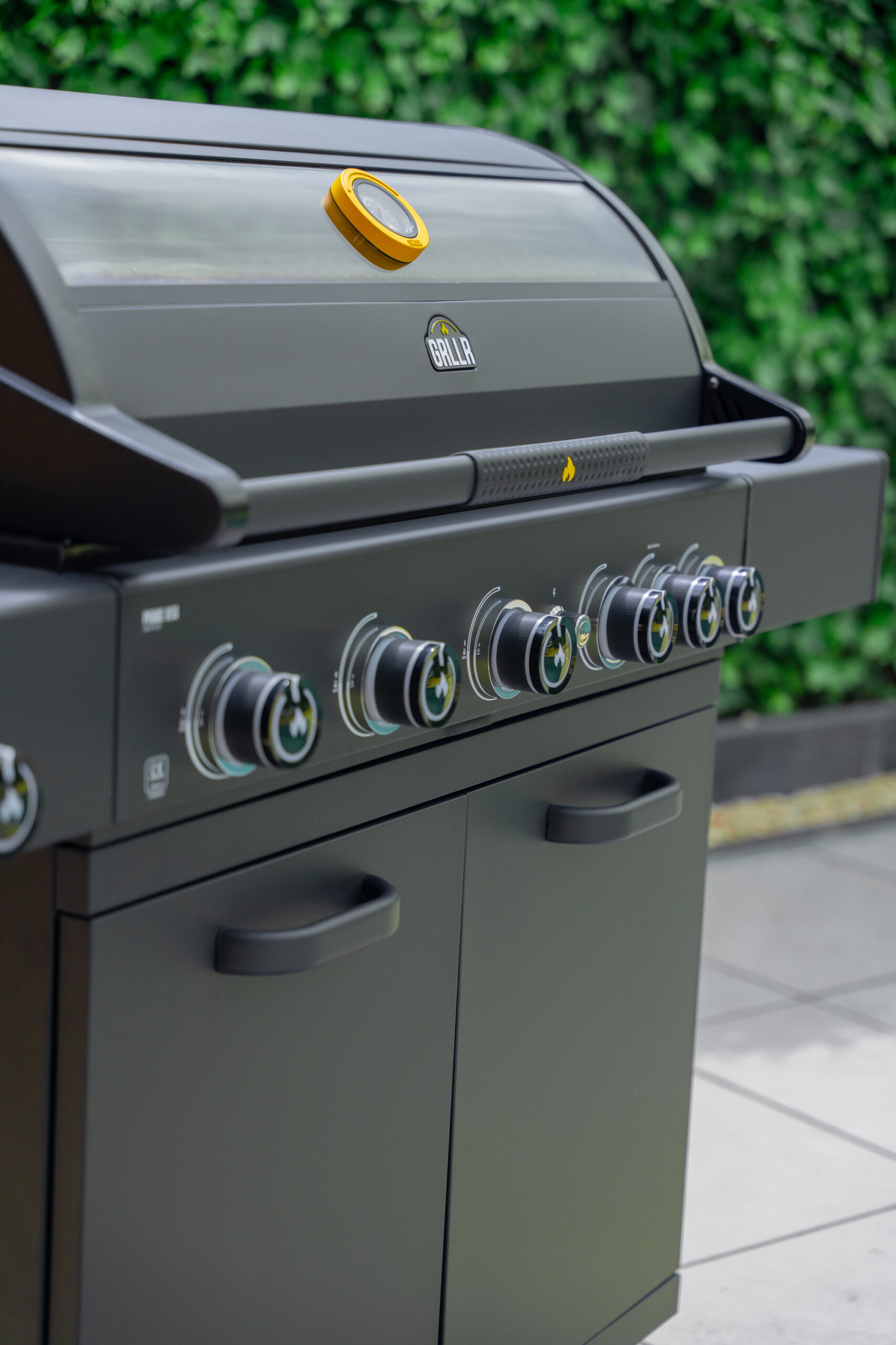
Gas BBQ Buying Guide for UK Gardens
Our gas bbq buying guide explains burners, build quality, size and features, helping you choose the right gas BBQ for your garden and budget.

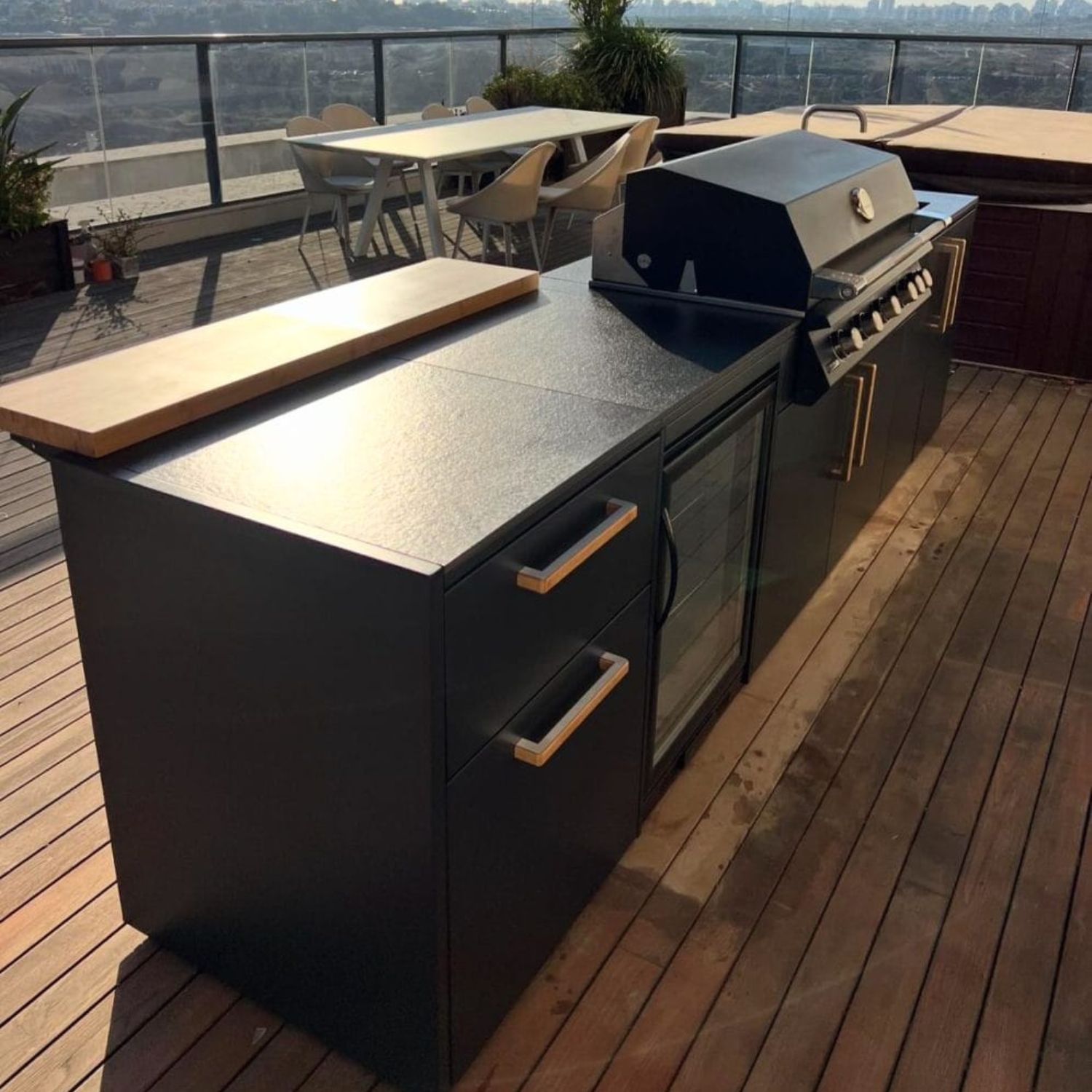
A great outdoor kitchen usually fails in one of two places – the layout is awkward, or the setup looks impressive but does not suit the way people actually cook and entertain. That is exactly why modular outdoor kitchen ideas have become such a smart choice for UK gardens. They give you the freedom to build a space around your cooking style, your patio size and your plans for hosting, without committing to a fully bespoke installation from day one.
The appeal is not only flexibility. Modular kitchens also make premium outdoor living more achievable. You can start with a core cooking run, add refrigeration or storage later, and create a polished garden setup that feels intentional rather than pieced together. For homeowners investing in a better barbecue area, and for designers specifying practical garden kitchens, that balance of style, performance and scalability matters.
A modular system allows you to combine cabinets, appliances and work surfaces in a way that suits the space you already have. That can be a compact terrace, a family patio or a larger garden entertaining zone with room for dining and lounging. Instead of forcing your plans around a fixed design, the kitchen can grow around the way you want to use it.
That flexibility is especially valuable in the UK, where outdoor spaces vary enormously and weather always needs factoring in. A straight run might work beautifully against a wall in a sheltered courtyard, while an L-shape can make better use of a corner and create a more sociable cooking position. If you are working around doors, bifolds, pergola posts or existing paving, modular units give you more room to get the details right.
There is also a practical advantage in product choice. If you are serious about grilling, smoking or pizza making, the kitchen should support that equipment rather than simply frame it. A modular setup gives you the option to centre the design around a gas BBQ, kamado, pellet grill or pizza oven, then build in the prep space and storage needed to use it properly.
For many gardens, the most effective layout is also the simplest. A single run of modular cabinets creates a clean, architectural look and keeps installation straightforward. It works particularly well on patios where the kitchen sits against a boundary wall or beneath a pergola.
The key is getting the sequence right. Place the main cooking appliance at the centre or slightly off-centre, then use one side for prep and the other for storage or serving. Even a compact run can feel premium if it includes enough worktop space to plate food, rest trays and keep utensils close at hand.
If you cook often for family or guests, an L-shaped modular kitchen is one of the strongest ideas to consider. It creates a natural working triangle between cooking, preparation and serving, while also helping define the entertaining area.
This layout tends to feel more sociable because the cook is not stuck facing a wall or boundary. One leg can hold the barbecue or pizza oven, while the other becomes a service zone for drinks, chopping and finishing dishes. In larger gardens, it can also help separate the cooking area from the dining space without making the overall design feel closed in.
One of the best modular outdoor kitchen ideas is to let the appliance lead the design. Too many outdoor kitchens are planned around looks first and cooking second. If you know you prefer live-fire grilling, low-and-slow smoking or high-heat pizza cooking, the kitchen should reflect that from the start.
A built-in gas BBQ suits homeowners who want fast, reliable heat and easier midweek cooking. A kamado deserves proper counter space for prep and heatproof zones for accessories. A pellet grill benefits from nearby storage for pellets and tools. If a pizza oven is the star of the show, leave enough room beside it for stretching dough, topping pizzas and serving them quickly.
The right answer depends on how you actually cook. If you entertain in larger groups, versatility matters. If you want quick outdoor dinners a few times a week, ease of use may matter more than having every possible feature.
Open shelves can look appealing in showroom images, but in real gardens they often become cluttered or exposed to the elements. Closed modular cabinets usually make more sense for a premium outdoor kitchen because they keep cookware, fuels, covers and accessories protected and organised.
That does not mean every cabinet should be solid-fronted and uniform. A balanced design often works best, with the clean practicality of closed storage supported by one or two display areas or accessible shelves for regularly used items. The result feels polished without becoming sterile.
Outdoor cooking becomes far easier when there is a proper area for preparation. This is one of the details that separates a serious outdoor kitchen from a standalone grill with furniture around it. You need space for chopping, seasoning, resting cooked meat, dressing salads and assembling plates.
A generous section of worktop beside the main appliance is often more useful than adding another gadget. If room allows, keep a second clear area slightly away from the heat source so one person can prep while another cooks. For households that entertain regularly, this small decision can transform the whole experience.
If your outdoor kitchen is designed for long lunches, summer evenings and larger gatherings, refrigeration is worth serious thought. A compact outdoor fridge keeps drinks cold, ingredients close to hand and traffic in and out of the house to a minimum.
It is not essential for every project. In a smaller garden, or if you mainly cook for immediate family, the budget may be better spent on storage or a superior grill. But for entertaining-led spaces, refrigeration adds convenience in a way that people notice every time they use the kitchen.
The most successful modular kitchens feel integrated with the wider outdoor space. That means thinking beyond the barbecue and choosing cabinet colours, handles and worktops that complement paving, brickwork, render, timber or planting.
Darker finishes often look refined and contemporary, especially alongside stainless steel appliances. Lighter tones can soften the scheme and work beautifully in bright patios or coastal-style gardens. The practical question is maintenance. Some finishes show marks more readily than others, and highly textured materials may need more cleaning. Premium looks matter, but ease of ownership matters too.
If space allows, a modular peninsula or island can turn the kitchen into the centrepiece of the garden. This is one of the strongest options for people who want outdoor cooking to feel genuinely social rather than separate from the party.
An island works best when there is enough room to move around it comfortably. In a tight patio, it can make the layout feel cramped. In a larger entertaining area, though, it gives guests somewhere to gather, creates extra prep space and helps the cook stay part of the conversation.
Outdoor kitchens in Britain need realistic planning. Even premium appliances and cabinetry benefit from thoughtful positioning, shelter and covers. A modular design under a pergola, canopy or well-planned overhang will usually be more enjoyable to use and easier to maintain.
This does not mean fully enclosing everything. Good airflow still matters, particularly around cooking appliances. The point is to reduce unnecessary exposure and extend the life of the kitchen. It is always easier to plan that protection at the design stage than to retrofit it later.
People often underestimate how much supporting kit outdoor cooking involves. Trays, boards, pizza peels, charcoal tools, rubs, sauces, gloves and serving platters all need a home. Without proper storage, even a beautiful kitchen quickly feels untidy.
When choosing modular units, think beyond the headline appliance. Drawers, deep cabinets and pull-out storage can make daily use far smoother. A kitchen that works well behind the scenes always feels more luxurious in practice.
Not every outdoor kitchen has to be completed in one go. One of the strongest reasons to choose modular is the ability to phase the project sensibly. You might begin with a barbecue module, storage and prep surface, then add refrigeration, extra cabinetry or a second cooking appliance later.
That approach can be financially smarter, but it also gives you time to learn how you use the space. After one season, you may realise that more prep area matters more than another cabinet, or that a pizza oven would be used far more than a sink. Good design is not only about ambition. It is also about making room for real-life use.
The best modular outdoor kitchen ideas are not necessarily the biggest or the most elaborate. They are the ones that support the way you cook, fit the proportions of the garden and make entertaining feel easy. For some homes, that will mean a neat run of cabinets with a premium gas BBQ at its heart. For others, it will mean a more expansive setup with multiple cooking formats, refrigeration and bar-style seating.
What matters is getting the fundamentals right: layout, appliance choice, prep space, storage and durability. Once those are in place, the kitchen stops feeling like an add-on and starts becoming part of the home. At Buschbeck Outdoor Living, that is where outdoor cooking becomes something more memorable – not just another product purchase, but a space you will want to use at every opportunity.
If you are planning your own garden kitchen, start with how you want it to feel on a Saturday afternoon with friends round, food on the go and everything exactly where it should be. That picture usually leads to the right design choices.
Our gas bbq buying guide explains burners, build quality, size and features, helping you choose the right gas BBQ for your garden and budget.
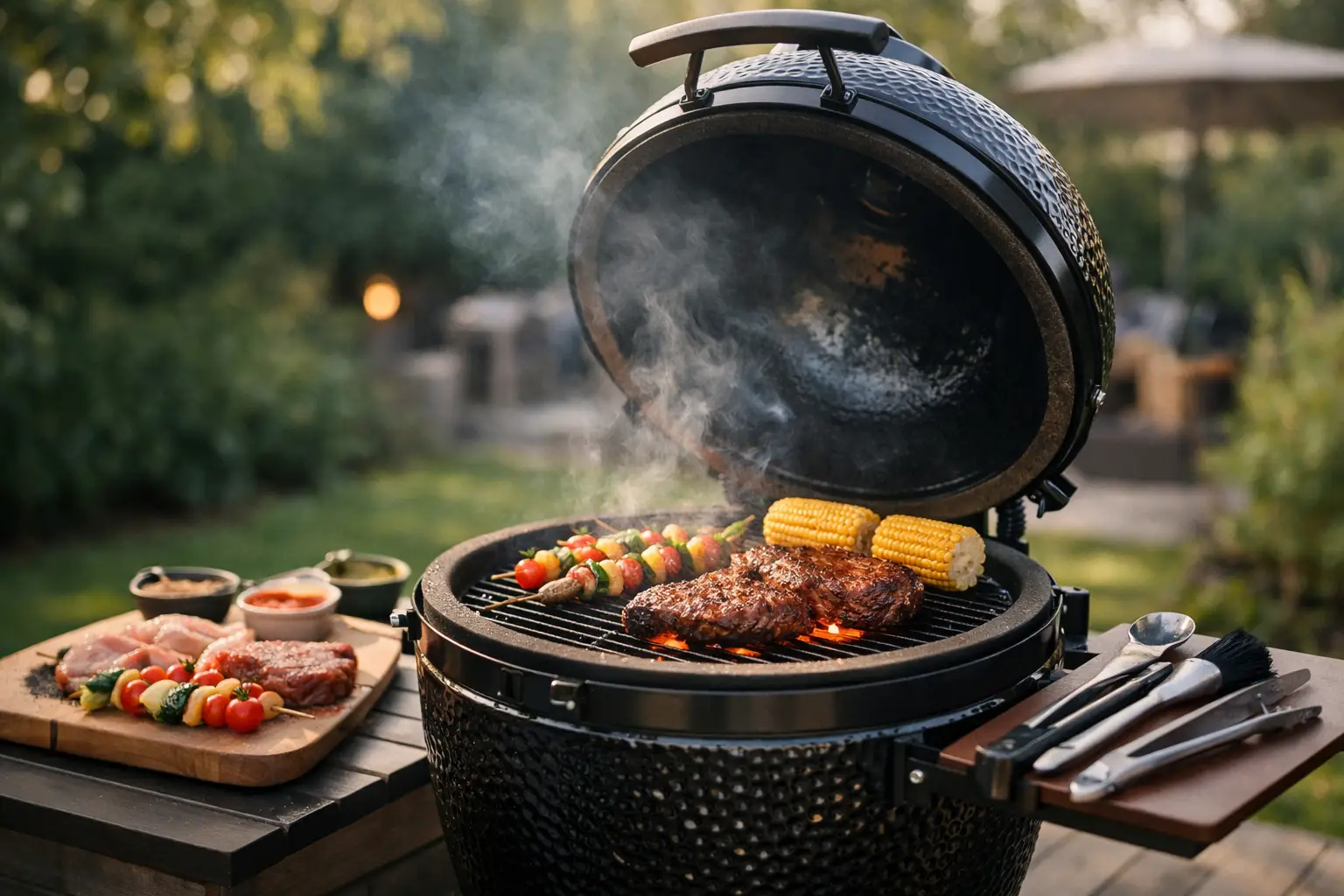
Kamado barbecue for beginners explained simply – how it works, what to buy, temperature control and easy first cooks for confident results.