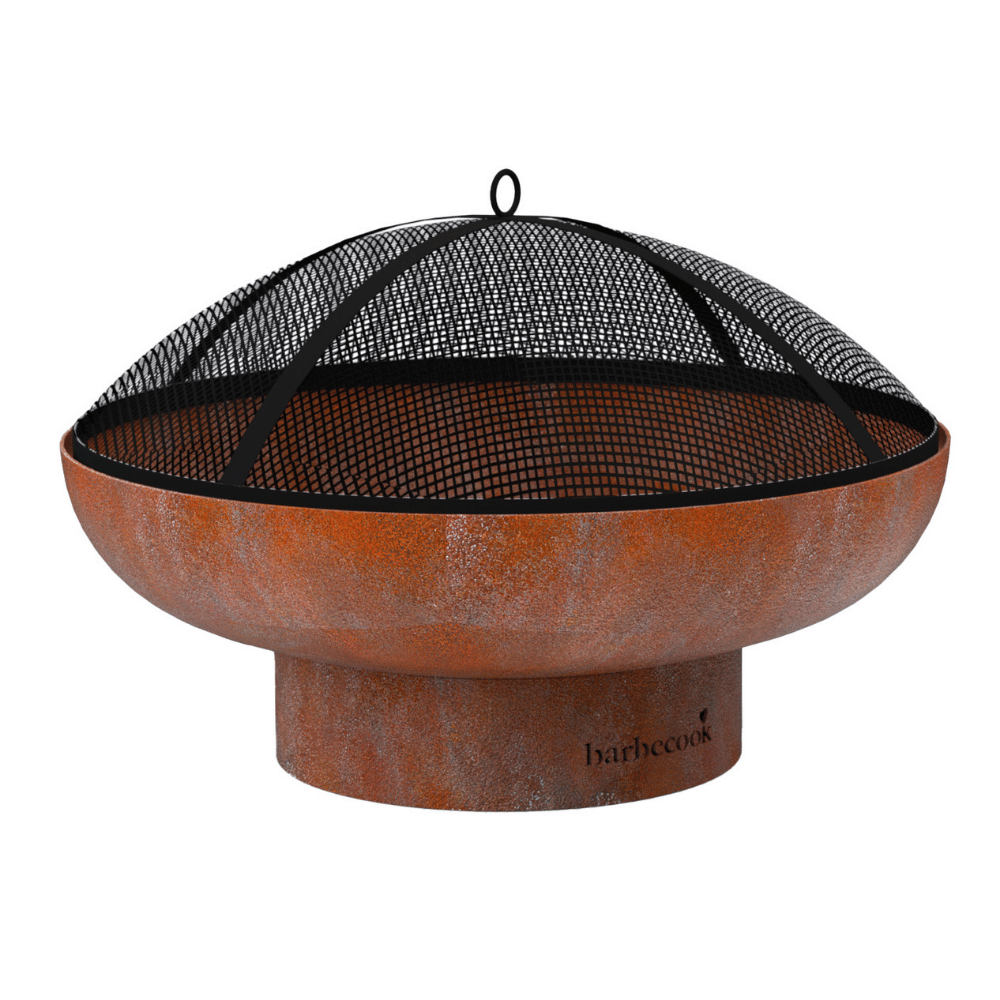
Fire Pit Safety: Siting, Surfaces and Sparks
Fire pit accidents are almost never dramatic. They are scorched decking, a melted section of artificial grass, a fence panel

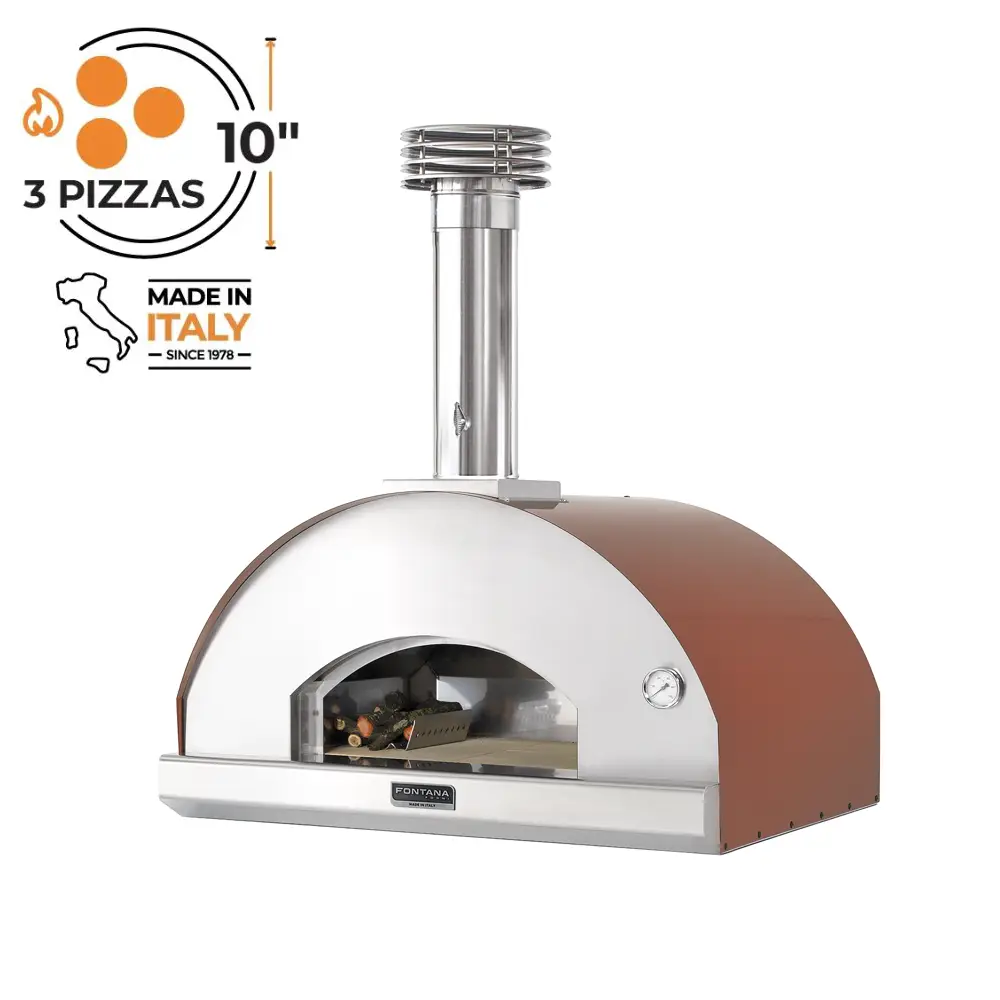
Most pizza oven guides are written about portable ovens. That makes sense, because most pizza ovens sold in Britain are portable, and a £400 oven you can carry to a friend’s garden is an easy thing to recommend. It is not, however, what anyone building an outdoor kitchen is looking for.
A build-in oven is a different decision entirely. It gets designed into a structure, it is not going to move, and getting the choice wrong means rebuilding masonry rather than returning a box. This guide covers what actually matters when you are specifying one, and where the meaningful differences sit across the range.
A build-in oven is supplied as a bare oven body, designed to be enclosed within a structure you or your builder construct. There is no trolley, no outer casing and no legs. What arrives is the cooking chamber, the door and the flue connection, and everything around it is your responsibility.
That is the source of both the appeal and the difficulty. You get an oven that looks built rather than bought, sized and finished to match the rest of the kitchen, with worktop running up to it and storage underneath. You also take on the enclosure, the insulation, the flue and the structural base.
The alternative is a countertop or trolley oven, which arrives finished and works out of the box. If you are not committed to building something, that is the more sensible purchase, and it is worth being honest with yourself about which you actually want before spending £2,000 on a bare oven body.
Everything else can be worked around. Chamber size cannot, because it determines what you can cook and how many people you can feed, and it is fixed the moment the masonry goes up around it.
The practical question is not how big a pizza you want to make. It is how many you want to make consecutively. A small chamber will cook an excellent pizza, but it will cook one at a time, and each one drops the stone temperature further. Feeding eight people from a small oven means a long queue and a cook who never sits down.
A larger chamber holds more thermal mass, recovers faster between pizzas, and lets you work two or three at once. It also takes longer to bring up to temperature and burns more wood doing it, which is the trade-off nobody mentions. An oven sized for twenty guests is an expensive way to cook a Tuesday dinner for two.
Be realistic about the normal case rather than the maximum. Most people cook for their household most of the time and entertain occasionally.
The Fontana Lorenzo Build In at £705 at the time of writing, reduced from £1,319, is the point at which a proper wood-fired build-in oven becomes affordable, and it is also available in a Pearl finish at the same price.
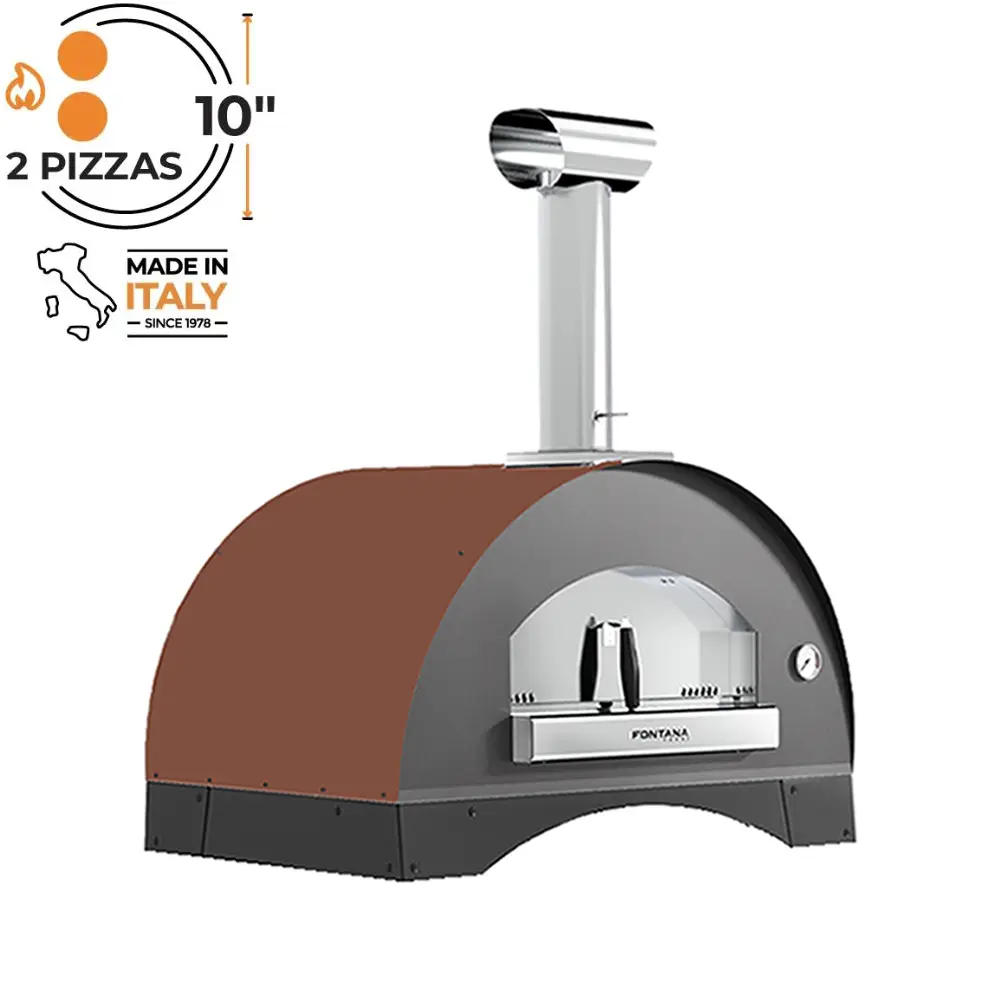
This suits a compact outdoor kitchen, a courtyard build, or a household that wants wood-fired cooking as part of a wider setup rather than as the centrepiece. It is a genuine wood-fired oven rather than a compromise, but it is sized for family cooking rather than for entertaining at scale.
The Fontana Margherita Build In at £1,579 and the Mangiafuoco Build In at £2,209 cover the range most outdoor kitchens actually want.
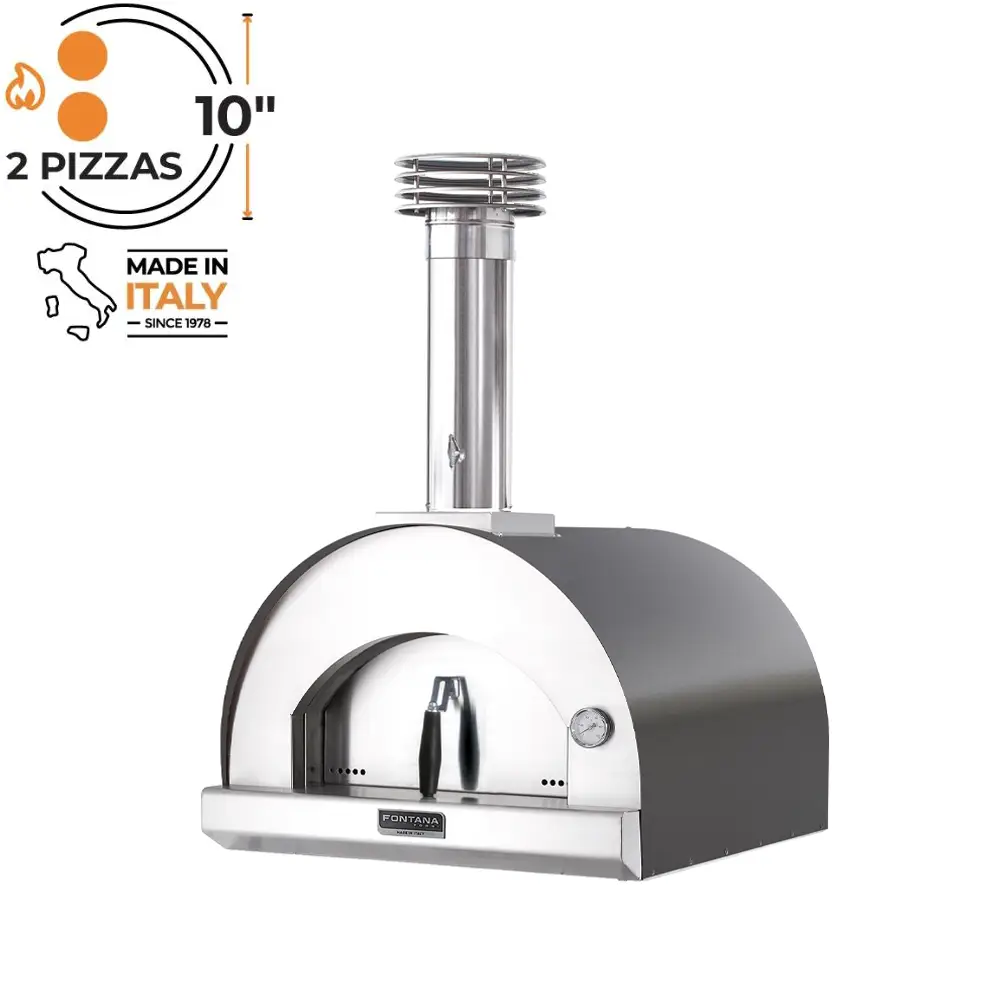
The Mangiafuoco in particular is the one to look at if the oven is meant to be the reason people come round. It has the chamber capacity to work at a pace, and it holds heat well enough to keep going through an evening rather than fading after the first round. A stainless steel version is available at £2,449 where the specification calls for it.
The Fontana Marinara Build In at £2,469, also available in anthracite at the same price and in stainless steel at £2,719, is for larger kitchens and for people who cook for numbers regularly.
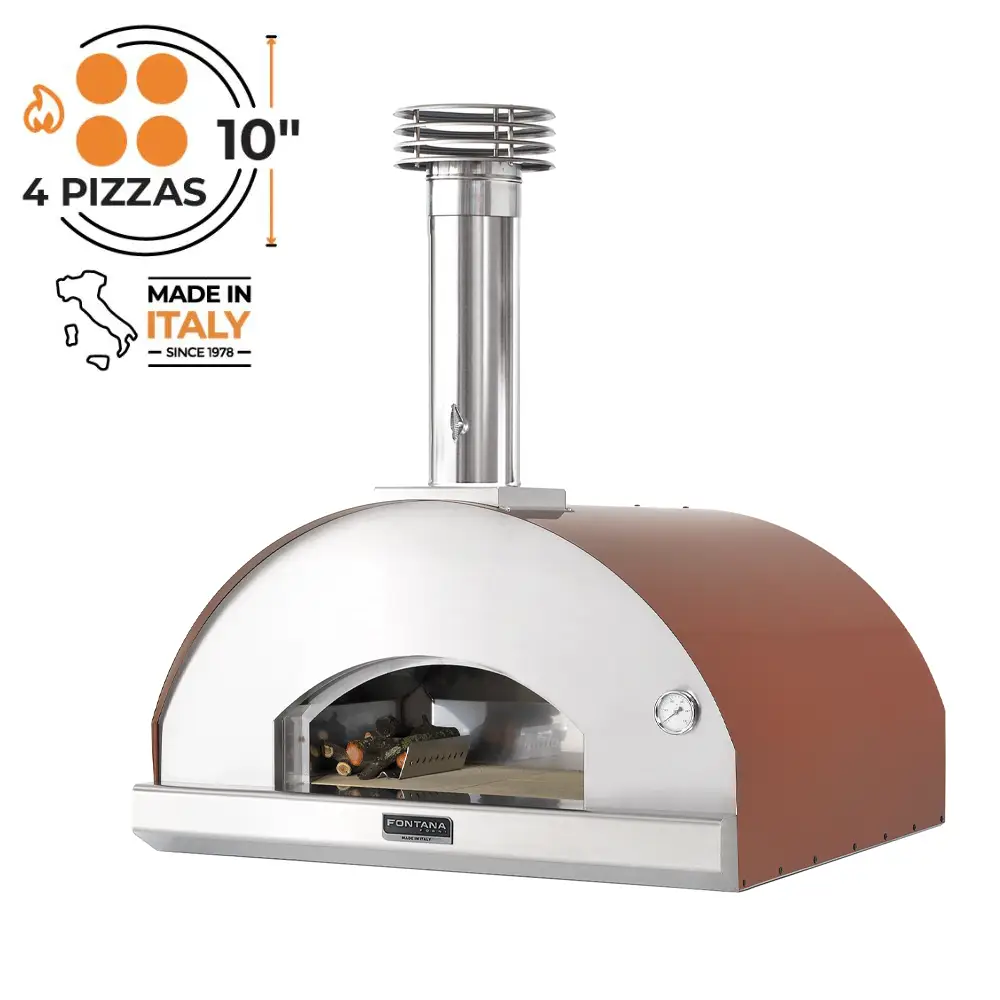
At this level you are buying chamber volume and build quality rather than features. Whether that is worth the step up from the Mangiafuoco depends almost entirely on how often you genuinely cook for more than eight people.
This is where build-in projects go wrong, and it is rarely the oven’s fault.
The oven needs insulating. An uninsulated enclosure bleeds heat into the masonry, which means longer heat-up times, more wood, poorer heat retention and a structure that gets hot on the outside. Proper insulation is not optional and it is not the place to save money.
It needs ventilation. Even a well-insulated enclosure needs air movement around the oven body to prevent heat building up in the cavity. Follow the manufacturer’s stated clearances rather than building as tight as the space allows.
It needs a flue routed properly, taking smoke clear of the cooking position and of any seating. A flue that discharges into a covered area or under a pergola will make the space unusable when the oven is running.
And it needs a base that can carry the load. These are heavy ovens before you add masonry, insulation and a worktop. A slab that is adequate for a barbecue trolley is not necessarily adequate for a built oven.
Every oven above is wood-fired. Fontana also make dual fuel versions, which add a gas burner alongside wood firing, and the choice is worth thinking about before you build.
Wood-fired is the better cooking experience and the better result. It reaches higher temperatures, produces the char and flavour that makes the whole exercise worthwhile, and it is what these ovens are designed around.
Dual fuel buys convenience. Gas gets you to temperature faster, holds a steadier heat with no management, and makes a midweek pizza a realistic proposition rather than a two-hour commitment. The honest argument for it is that an oven you use weekly is worth more than a better oven you use monthly.
The important point for a build-in project is that this affects the enclosure. A dual fuel oven needs a gas supply routed to it, which is far easier to design in than to retrofit through finished masonry. Decide before you build, not after.
The oven price is the part that is easy to see and it is rarely the largest part of the number. Blockwork, insulation, refractory materials, the flue, the worktop, the finish and the labour all sit on top, and on a typical build those together can equal or exceed the cost of the oven itself.
That is not an argument against building. It is an argument for pricing the whole project before committing, because the failure mode is a beautiful oven sitting in an unfinished enclosure because the budget ran out at the worktop.
Work backwards from the build, not from the oven. Decide the footprint of the kitchen, how the cook will stand and move, where smoke will go, and where the wood will be stored. Then choose the largest oven that fits comfortably within that, rather than designing the kitchen around an oven you picked first.
If the kitchen is compact, the Lorenzo does the job properly. If it is a full outdoor kitchen and the oven is the point of it, the Mangiafuoco is the sensible middle. If you cook for numbers, the Marinara earns the difference.
You can see the full Fontana Forni wood-fired range and the wider outdoor kitchen range online. If you are at the design stage and want to talk through sizing before the masonry goes up, we are on 02476 474440, and that is a considerably cheaper conversation to have now than afterwards.
Fire pit accidents are almost never dramatic. They are scorched decking, a melted section of artificial grass, a fence panel
This question comes up most often just after someone has decided what they want and just before they spend the