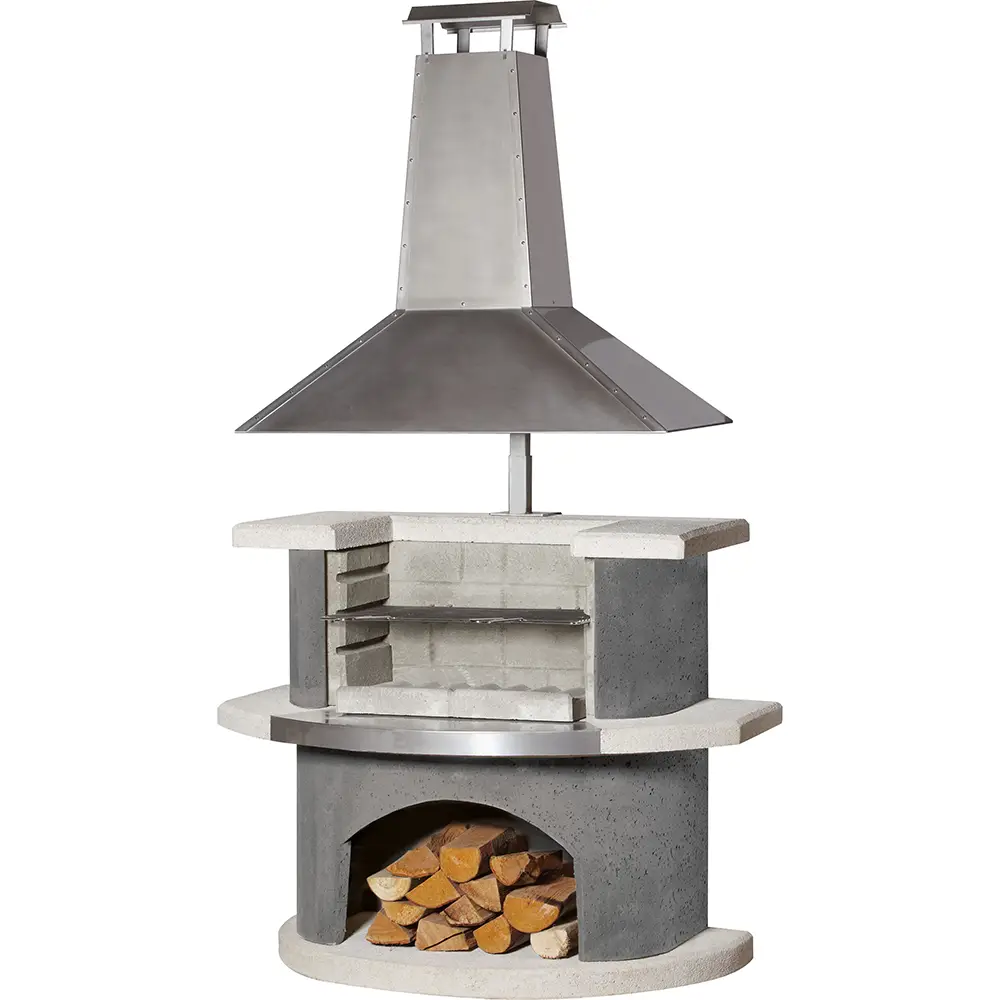
Do You Need Planning Permission for a Fire Pit or Masonry BBQ?
This question comes up most often just after someone has decided what they want and just before they spend the

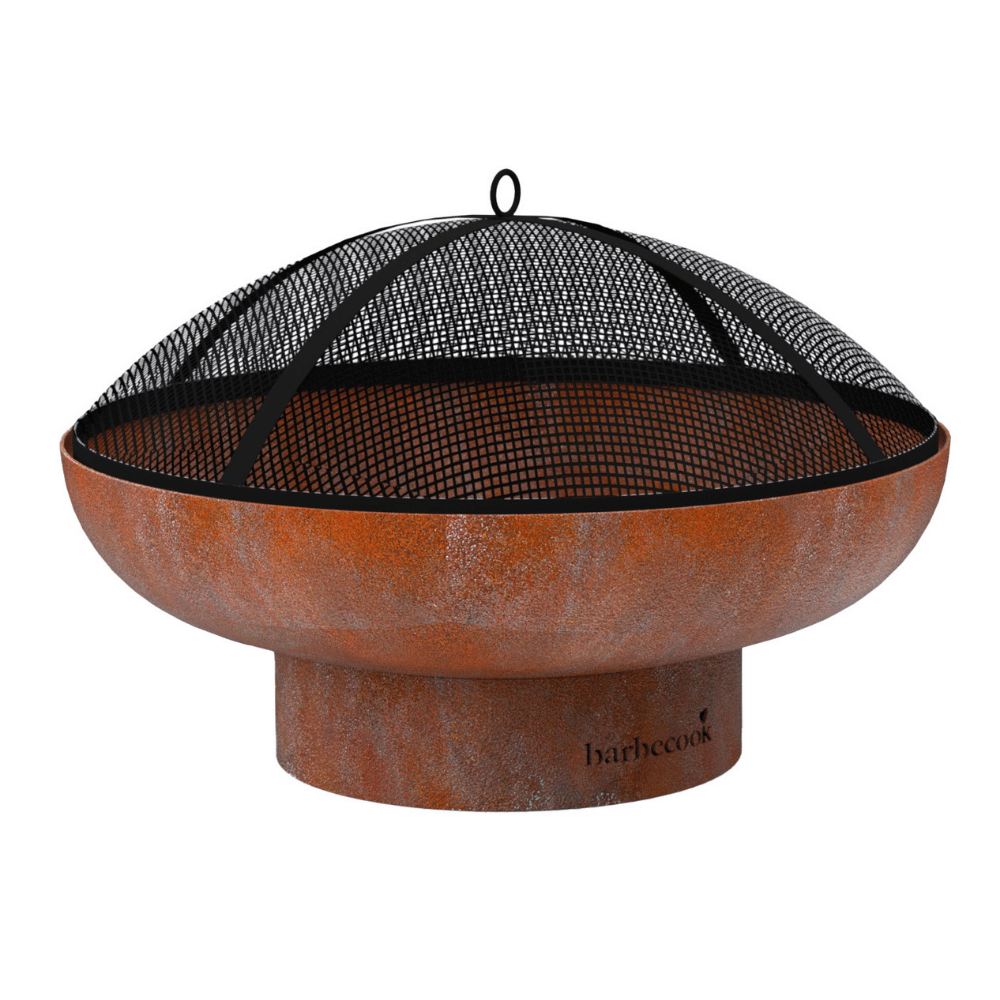
Fire pit accidents are almost never dramatic. They are scorched decking, a melted section of artificial grass, a fence panel that took a spark on a windy night, and most commonly of all, a wheelie bin that caught because someone emptied ash into it the morning after.
All of that is preventable with about ten minutes of thought before the first fire of the season. None of it involves being timid about having a fire.
Get this right and most of the rest follows.
Concrete, natural stone paving, brick and gravel are all fine. They do not burn, they do not melt, and they do not care about radiated heat from underneath a bowl.
Timber decking is not fine. Neither is composite decking, which behaves worse than people expect because the plastic content softens and deforms before it ever chars. Artificial grass is the worst of all: it melts at temperatures a fire bowl reaches easily, and a fire pit stood directly on it leaves a permanent crater.
Lawn survives but marks. A bowl sat on grass will kill a circle of it and the bare patch lasts into the following summer.
If the only available spot is decking or a surface you would rather not damage, a purpose-made base solves it properly by lifting the bowl clear and spreading the load. The Barbecook Base for the Jack 60 and 75 at £129 is the right answer rather than improvising with slabs, which tend to conduct heat straight through.

The number people forget is the vertical one. Overhanging branches, pergola beams, washing lines and the underside of a canopy all sit directly in the rising heat column, and radiant heat plus hot gas will scorch timber long before anything catches light.
Horizontally, keep generous distance from fences, sheds, garden furniture, log stores and planting. Autumn hedging and ornamental grasses are drier than they look and take a spark readily.
Be particularly careful about fence panels. A close-boarded timber fence a metre from a fire bowl is exposed to sustained radiant heat every time you light it, and repeated exposure dries and degrades the timber even when it never visibly chars.
And never use a fire pit under any kind of enclosed cover or inside a structure. Beyond the fire risk, carbon monoxide from a solid fuel fire in an enclosed space is genuinely dangerous.
Sparks travel further than people expect, especially on a breezy evening or when a log shifts and collapses.
A spark screen is the single most effective mitigation and the most commonly skipped one. The Barbecook Steel Spark Screen 75cm at £129 lifts off when you want to cook or add fuel and goes back on the rest of the time, which is the right pattern: on by default, off deliberately.
Fuel choice matters here too. Softwood spits considerably more than hardwood because of the resin content, so seasoned oak, ash or beech is safer as well as better to cook over. Anything damp will spit and pop as trapped moisture turns to steam.
Do not overfill the bowl. A fire built up above the rim loses the containment the bowl is there to provide, and it is how embers end up on the patio.
The hazard with a fire pit is not really the flames, which everyone can see and respect. It is the steel, which stays dangerous for hours after the fire is out and gives no visual warning at all.
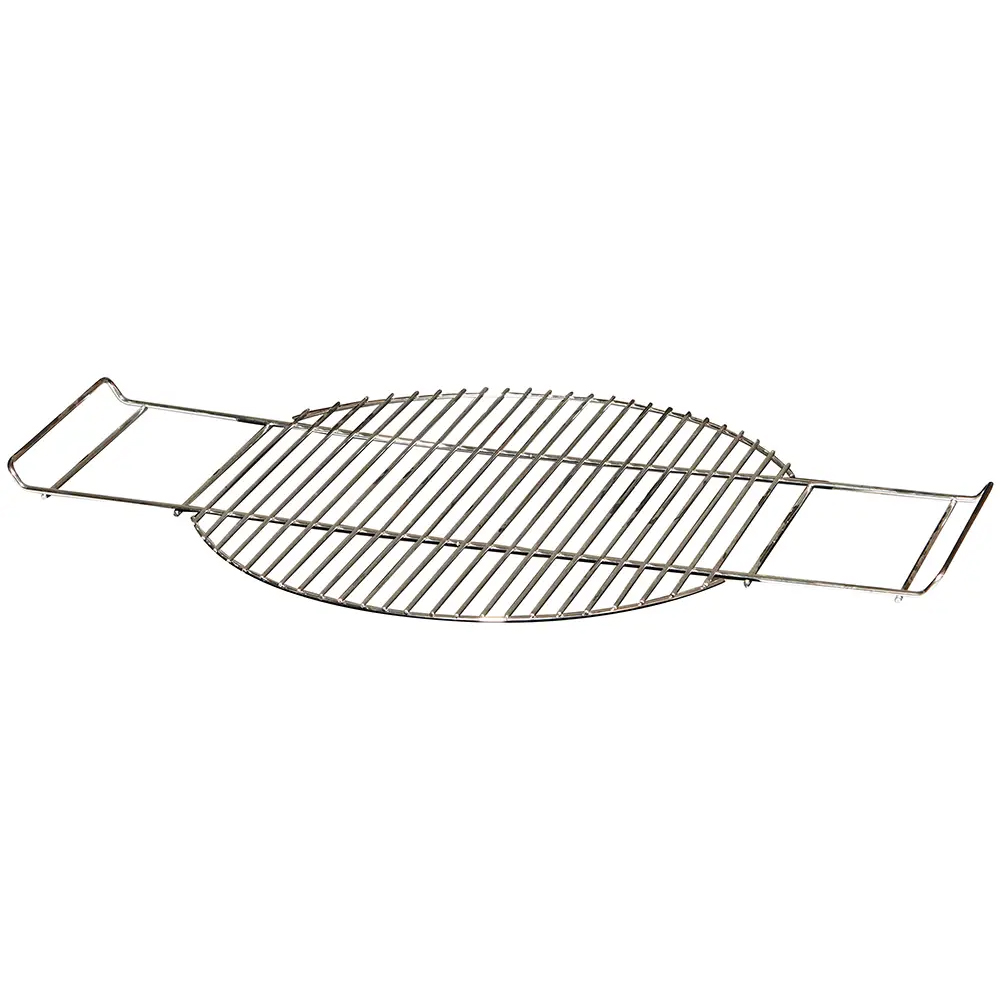
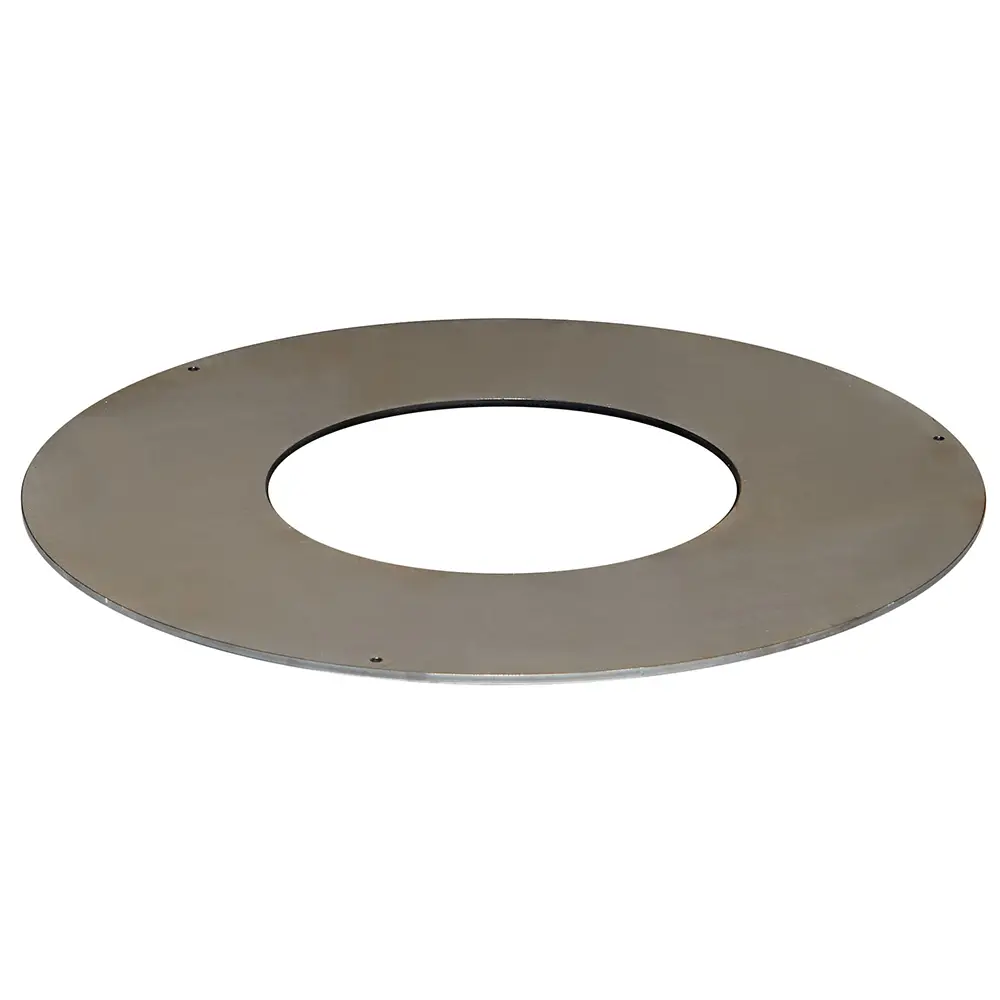
A bowl that looks cold can still cause a serious burn. So can a plancha ring or a cooking grill, and those are at exactly the height a child reaches. If you are using a plancha cooking ring or the Heavy Duty Cooking Grill, treat the whole assembly as hot until the following morning.
Set a standing rule about distance rather than supervising case by case, because a rule survives the moment everyone is distracted. Keep the seating circle back far enough that nobody is stepping over the bowl to get to a chair.
Dogs will investigate a warm fire pit and singe their noses or paws. Cats will sit on a cooling one.
No petrol, no white spirit, no barbecue lighter fluid poured onto an already-lit fire. That last one is how most serious garden burns happen: the vapour ignites back toward the container.
Build it properly instead. Kindling and firelighters underneath, small wood above, and only add larger logs once there is a genuine bed of heat. A fire that is properly established burns hot and clean; one that is struggling smoulders, smokes and tempts people into doing something unwise to it.
Keep something to hand for a problem. A bucket of sand, a garden hose within reach, or a fire blanket. You will almost certainly never need it, and the time you would need it is not the time to go looking.
Never leave a lit fire unattended, including for the last fifteen minutes when it has burned down and looks harmless.
The safest approach is to stop adding fuel and let it burn down, which takes longer than people plan for. Start about an hour before you intend to go in.
If you need it out faster, spread the embers with a poker to increase the surface area and let them cool, then damp down with water or smother with sand. Be aware that throwing a lot of water onto a hot steel bowl creates a violent burst of steam and can stress or warp the metal, so pour rather than dump.
Check it before you go inside. Embers buried in ash can stay hot for many hours, and wind overnight can revive them.
This is the one worth reading twice, because it is the most common way a fire pit damages property.
Ash stays hot for far longer than it looks. Twenty four hours is not unusual for a deep bed, and buried embers can hold heat for longer than that. Ash that feels cool on top can be live underneath.
So: never put ash into a plastic bin, a wheelie bin, a paper sack or a compost heap. Never put it in a bin bag. This is how sheds and refuse bins catch fire, and it happens every year.
Move ash into a metal bucket or container with a lid, stand that on a non-combustible surface away from the house and anything that burns, and leave it at least forty eight hours before disposal. If you want to be certain, wet it thoroughly first.
Cold wood ash in small quantities is fine on garden beds and compost, and is actually useful for its potash content. Charcoal briquette ash is not, because of the additives.
Surface non-combustible or on a proper base. Nothing overhead. Real distance to fences, sheds, furniture and planting. Dry hardwood, not softwood or wet timber. Spark screen on unless you are actively cooking. Something to put it out within reach. Last week’s ash already dealt with.
That is the whole list, and it takes longer to read than to do.
If you are still choosing a pit, our fire pit buying guide covers sizing and materials, and the full range includes the bases and screens mentioned here. We are on 02476 474440 if you want advice on a particular garden layout.
This question comes up most often just after someone has decided what they want and just before they spend the

Most wood-fired pizza oven coverage in Britain is about small portable ovens, because that is what sells in volume. If