
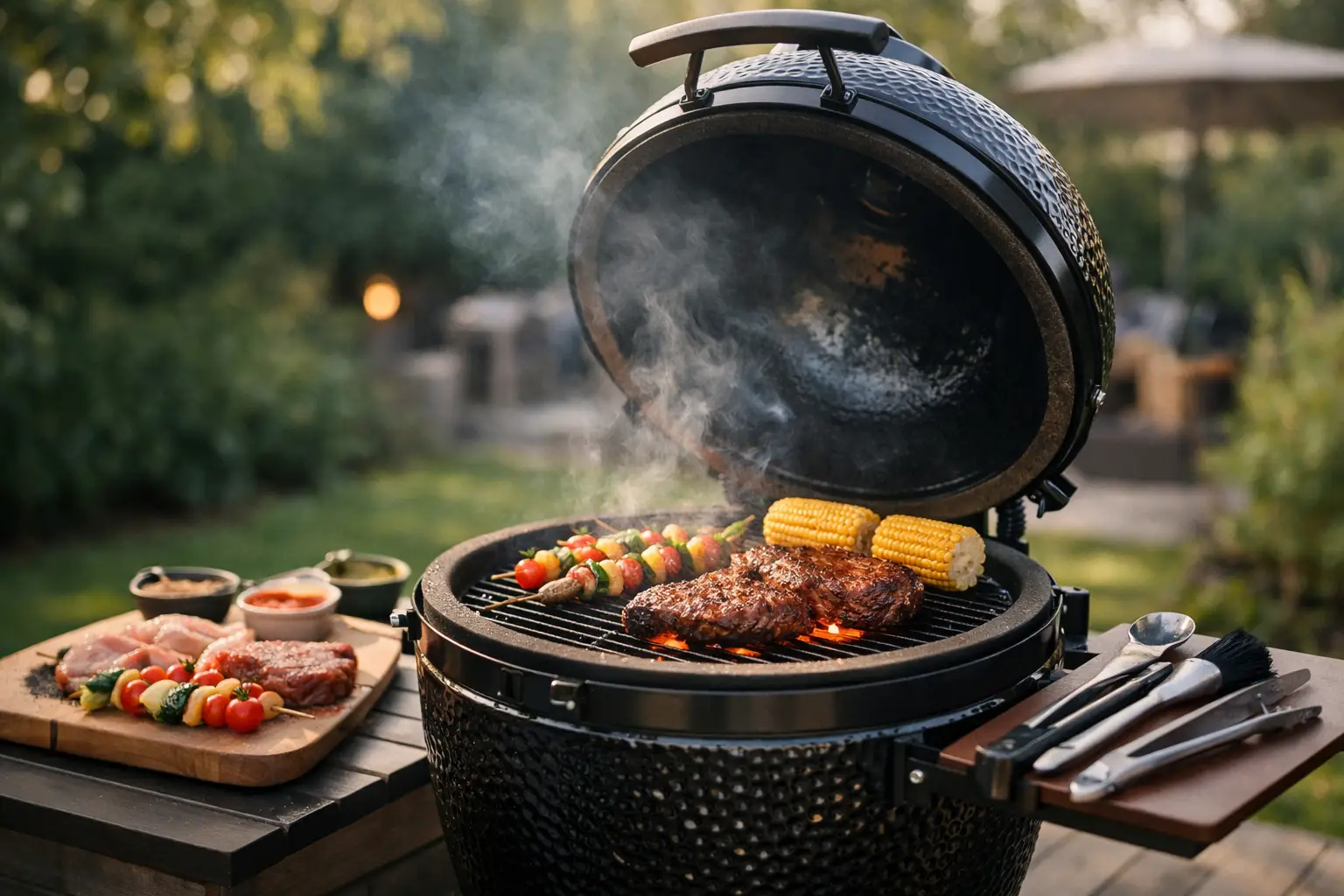
Kamado Barbecue for Beginners Made Simple
Kamado barbecue for beginners explained simply – how it works, what to buy, temperature control and easy first cooks for confident results.
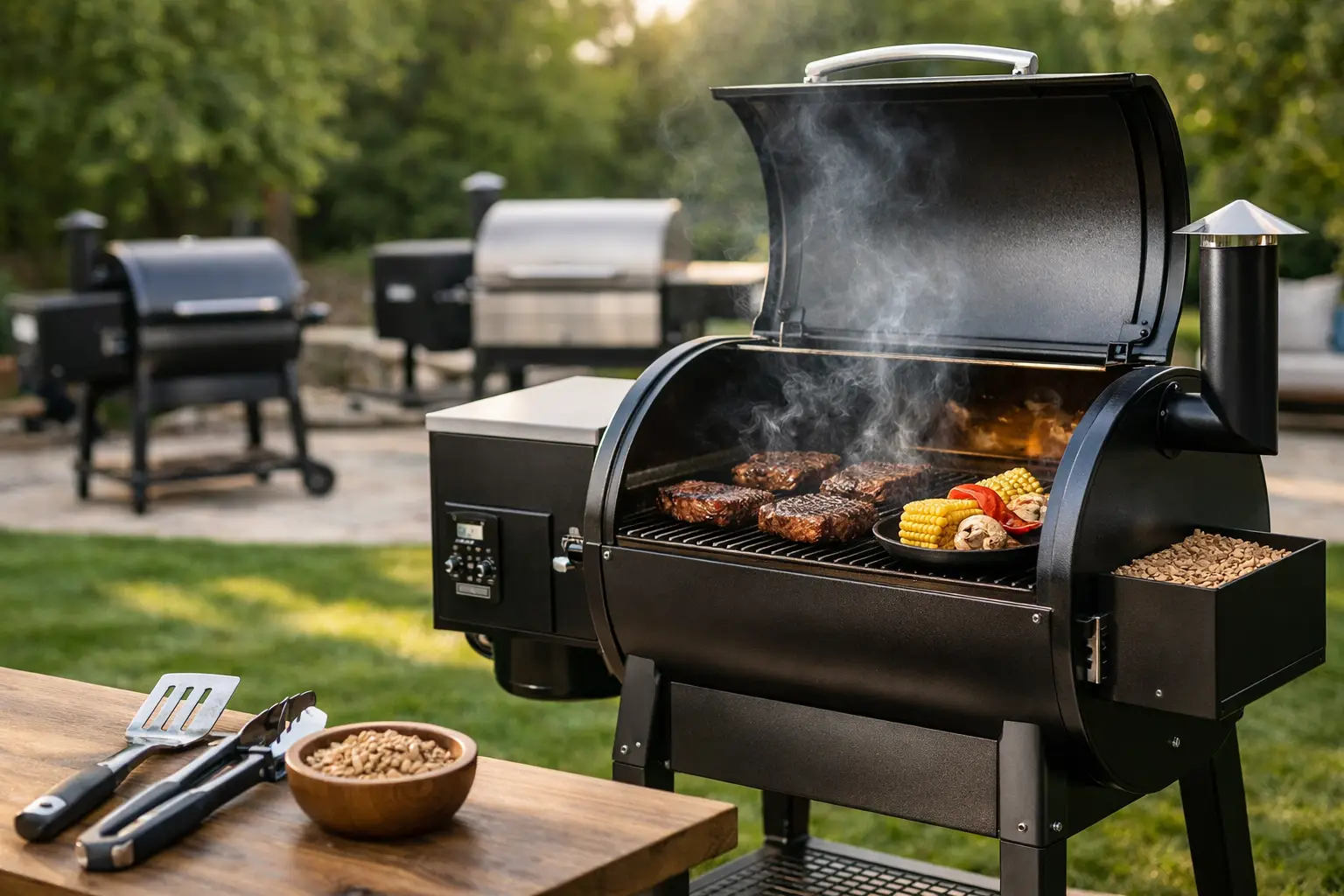
A pellet grill often looks like the easy answer – set the temperature, add pellets, cook with wood-fired flavour and let the machine do the hard work. That convenience is real, but not every model delivers the same results, and the wrong choice can leave you with too little cooking space, poor temperature control or features you never use.
If you are investing in a premium outdoor cooking setup, the smarter question is not simply which pellet grill is best. It is how to choose a pellet grill that suits the way you actually cook, entertain and use your garden.
The first thing to get clear on is what role the grill will play. For some households, a pellet grill is the main barbecue – used for weeknight chicken, low-and-slow brisket, roast potatoes and Sunday joints. For others, it is part of a broader outdoor kitchen, sitting alongside a gas barbecue, pizza oven or kamado for different occasions.
That distinction matters because pellet grills excel at controlled cooking and wood-fired flavour, but they are not all built for the same kind of use. If you want one appliance to do almost everything, you will need a model with enough temperature range, strong construction and practical cooking capacity. If it is there to complement a larger outdoor entertaining space, your priorities may lean more towards appearance, integration and consistency.
Think honestly about how many people you cook for most often. A compact pellet grill can be ideal for couples or smaller patios, but it may feel restrictive once you are catering for family gatherings. On the other hand, a very large unit takes up more room, uses more pellets over time and can feel excessive if you only grill for two.
It is easy to be drawn straight to well-known names or headline features, but size is usually the most practical place to begin. Cooking area affects not just how much food you can fit on the grill, but how flexible it is across different occasions.
If you regularly host six to ten people, look beyond the basic headline and consider usable space across primary and upper racks. You may want room for burgers on one level and vegetables or wings on another, or enough depth for larger cuts such as pork shoulder or whole chickens. For keen entertainers, extra capacity quickly becomes a benefit rather than a luxury.
For built outdoor living spaces, proportions matter as well. The grill needs to sit comfortably within the patio or kitchen layout without dominating it. A pellet grill should feel like part of a considered entertaining area, not a bulky afterthought.
When people ask how to choose a pellet grill, they often focus on temperature range, Wi-Fi or pellet hopper size. Those details matter, but build quality has a bigger impact on long-term satisfaction.
A well-made pellet grill holds heat more effectively, performs more reliably in colder British weather and generally feels more stable when used regularly. Lid weight, body thickness, finish quality, grille materials and the fit of the components all give you a sense of whether the product is built for occasional summer use or serious year-round cooking.
This is especially important in the UK, where damp conditions, wind and fluctuating temperatures can expose weaknesses quickly. Premium construction helps with heat retention and durability, but it also supports more consistent results. If you are smoking a brisket for ten hours, you want confidence that the grill can maintain temperature without constant correction.
The controller is the brains of the pellet grill. It manages pellet feed, airflow and temperature, so it directly affects cooking performance.
Basic controllers can still produce excellent food, but more advanced digital systems usually offer finer control and better stability. That can make a noticeable difference when you are smoking low and slow, baking outdoors or trying to repeat results with confidence.
Some models include meat probes, app control and programmable cooking stages. These are genuinely useful if you enjoy longer cooks and want more oversight without standing by the grill all day. But not every buyer needs every feature. If you prefer straightforward operation and dependable performance, a simpler premium controller may suit you better than a feature-heavy model with a less refined overall build.
The key is to separate useful technology from novelty. A pellet grill should make outdoor cooking easier and more enjoyable, not more complicated.
Not all pellet grills behave the same way at either end of the heat scale. Most are very good at smoking and roasting. Fewer are genuinely impressive at high-heat searing.
So ask yourself what you cook most. If your menu leans towards ribs, pulled pork, chicken, salmon, sausages and traybakes, almost any quality pellet grill will cover the brief. If you want steakhouse-style searing, check whether the model offers direct flame access, a dedicated sear zone or high enough top-end temperatures to do that job properly.
This is one of the biggest trade-offs in the category. Pellet grills are brilliant for controlled, versatile cooking, but some buyers expect them to behave exactly like a charcoal grill or petrol barbecue on maximum heat. The best choice depends on whether you want one all-rounder or are happy to pair your pellet grill with another appliance in a more complete outdoor cooking setup.
The hopper holds the wood pellets that fuel the grill. A larger hopper means longer cooking without refilling, which is useful for brisket, pork shoulder and overnight-style smoking. It is less critical if you mainly cook shorter meals.
Still, hopper size should be viewed alongside efficiency. A grill that burns through pellets quickly may cost more to run over time, especially if you cook often. Better insulation, stronger build quality and smarter controller design can all help improve fuel use.
It is also worth thinking about pellet availability and storage. Wood pellets need to be kept dry, so if your garden storage is limited, factor that into the ownership experience. Practical details like this are easy to overlook in the showroom and very noticeable once the grill is at home.
Every barbecue is more enjoyable when maintenance is straightforward. Pellet grills produce ash and grease, and while they are generally convenient to use, they are not maintenance-free.
Look for sensible grease management, easy access to the fire pot and internal layouts that do not make routine cleaning awkward. If you plan to use the grill regularly, this matters. A beautifully designed unit that is frustrating to clean can lose its appeal surprisingly quickly.
For households investing in premium outdoor living, ease of care is part of the premium experience. The best grill is not just the one that cooks well on Saturday afternoon. It is the one you are still happy to use on a damp Wednesday evening in October.
Pellet grills need electricity to run the auger, fan and controller, so placement is not as flexible as with every other barbecue format. Before buying, check where the grill will live and whether power access is realistic, safe and tidy.
If you are planning a more refined garden scheme or a full outdoor kitchen, think ahead. Freestanding models can work beautifully on a patio, but if the wider ambition is a built-in entertaining area, it makes sense to choose products that fit that longer-term vision.
Design-conscious buyers often benefit from treating the pellet grill as part of the overall outdoor living picture rather than a standalone purchase. At Buschbeck Outdoor Living, that bigger-picture thinking is often what turns a good barbecue decision into a more complete and enjoyable garden transformation.
There is a wide price range in pellet grills, and the cheapest option is rarely the best value if you plan to cook regularly. Paying more often brings stronger materials, better temperature control, more reliable components and a more satisfying ownership experience.
That said, expensive does not automatically mean right for you. If you are new to pellet cooking and mainly want easy weekend meals for the family, a well-chosen mid-range model may be ideal. If you host often, cook year-round or expect the grill to anchor a premium entertaining space, stepping up in quality usually makes sense.
A good way to judge value is to think beyond the product itself. Consider how often it will be used, what kinds of meals it will replace and how much it will contribute to the way you entertain at home. For many buyers, a pellet grill becomes less of an occasional appliance and more of a central part of outdoor living.
The right pellet grill should feel like it belongs in your garden and in your routine. Choose with your cooking habits, your space and your future plans in mind, and you are far more likely to end up with a grill that earns its place every time friends and family gather outdoors.
Kamado barbecue for beginners explained simply – how it works, what to buy, temperature control and easy first cooks for confident results.

Find the best masonry barbecue for garden spaces with expert advice on size, fuel, materials and layout for stylish outdoor cooking.