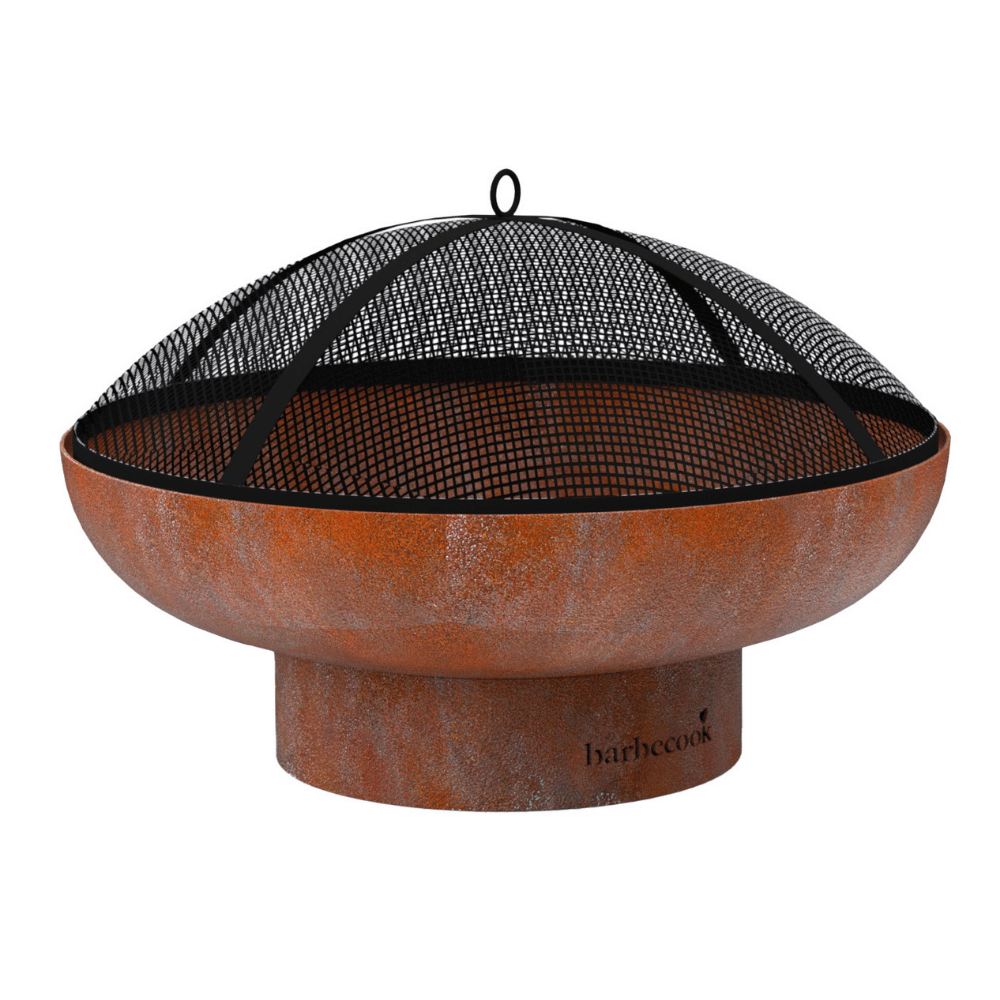
Fire Pit Safety: Siting, Surfaces and Sparks
Fire pit accidents are almost never dramatic. They are scorched decking, a melted section of artificial grass, a fence panel


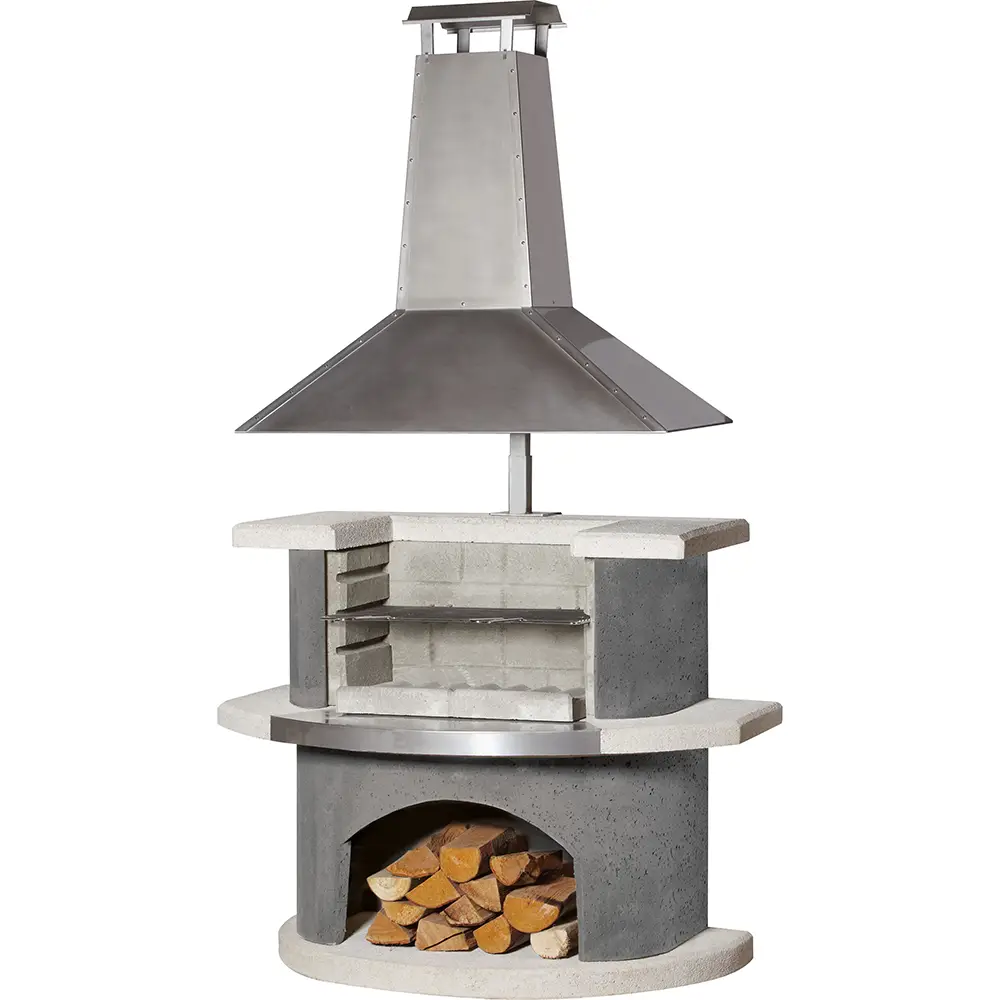
A masonry barbecue is the most capable outdoor cooking appliance most people will ever own, and it is routinely used at about a third of what it can do. That is because it arrives looking like a charcoal grill, so it gets used as a charcoal grill, and the enclosed firebox and chimney that make it different sit there doing nothing clever.
The firebox will run charcoal, wood or gas. Each behaves differently and suits different cooking, and swapping between them is mostly a matter of what you put in. Here is how to get the range out of one.
Worth understanding before anything else, because it explains why techniques that fail on a kettle work here.
A chimney creates draw. Air is pulled in low, through the fuel bed, and out the top. That means combustion is consistent rather than dependent on how the wind happens to be blowing, and it means you can influence the fire by managing the fuel bed rather than by fiddling with vents.
The refractory lining does the other half of the work. It absorbs heat and radiates it back, so the firebox reaches a working temperature and holds it. On a thin metal barbecue, heat goes out through the walls almost as fast as you make it. Here it stays in the box.
Together those two things give you something a kettle cannot: a stable, weather-independent cooking environment. It is why a masonry barbecue is usable in October drizzle and why it rewards slower cooking.
Charcoal is what most people will use most of the time, and the enclosed firebox makes it behave better than it does anywhere else.
Light it in a chimney starter rather than with lighter fluid. The Martinsen BBQ Starter at £20.99 gets charcoal to an even, ashed-over state in fifteen to twenty minutes and removes the single most common cause of food tasting faintly of paraffin.
Then build two zones rather than one flat bed. Pile the lit charcoal to one side and leave the other side empty. You now have a searing zone and a gentle zone, and almost all good barbecue cooking is moving food between the two. Without zones you have one temperature and no way to rescue anything.
A charcoal divider at £39 makes that arrangement hold rather than collapsing as the fuel burns down, and a charcoal holder at £39 does the same job by keeping the fuel banked where you put it.
The upgrade that changes charcoal performance most is raising the fuel off the floor. A Stainless Steel Fire Grate and Ash Pan at £99.99 lets air get under the bed, which means hotter, cleaner burning and less fuel for the same heat. The removable ash pan is the other half of the value: emptying ash becomes a thirty second job, which is the difference between it being done and not.

Most masonry barbecue owners never burn wood in one, which is a shame, because the firebox is built for it and the results are better.
The method is not the same as charcoal. Wood needs to burn down to embers before you cook over it. Flames are for heating the box, embers are for cooking, and the gap between those two states is about forty five minutes. Cooking over flame gives you soot and an unpleasant acrid edge rather than the smoke flavour people are after.
Use seasoned hardwood: oak, ash or beech. These burn hot and clean and leave a solid ember bed. Softwood lights fast, burns out fast, spits, and leaves little to cook over, so it is useful for getting started and nothing else. Never burn treated, painted or reclaimed timber in something you cook food in.
Wood also lets you do something charcoal cannot, which is bake. Get the refractory properly hot, rake the embers to the side, and the firebox holds a falling heat for a long time. That is bread, roast vegetables and whole joints.
This is the single most useful upgrade in the range and the one people consider last.
The Buschbeck Stainless Steel Gas Burner Insert at £389 converts the firebox to gas. Turn it on, wait ten minutes, cook. No fire management, no forty five minute wait, no ash afterwards.
That sounds like a compromise and in flavour terms it is a small one. What it buys is frequency. A barbecue that is a forty five minute commitment gets used at weekends. One that is a ten minute commitment gets used on a Tuesday in November, and an appliance you use weekly is worth considerably more than a better one you use monthly.
The sensible arrangement for most households is both: gas midweek, charcoal or wood when the cooking is the point of the evening. Fixed gas work should be handled by a Gas Safe registered engineer, and it is worth planning the supply route before you need it.
The grill that comes with a barbecue is rarely the best tool for most of what you want to make.
A Cast Iron Cooking Grid at £89.99 holds heat far better than chrome, which means it keeps searing when cold food lands on it instead of losing temperature. It marks food properly and it lasts. The Chrome Cooking Grill at £39.99 is the economical straight replacement when an original wears out.
A Cast Iron Plancha at £99.99 is the addition that genuinely expands the menu. A solid hot surface cooks everything bars drop or shred: prawns, scallops, eggs, sliced onions, mushrooms, halloumi, flatbreads, small fish. For most households that is a larger share of what they actually want to eat outdoors than steaks are.

And the Universal Artisan Pizza Oven Insert at £159.99 turns the same firebox into a pizza oven. That is a considerably cheaper route to wood-fired pizza than a dedicated oven, and if pizza is an occasional pleasure rather than a weekly ritual it is the sensible way to get there.

Three things give you control, and none is a knob.
Fuel quantity sets the ceiling. More fuel means more heat, and it is a slow lever because adding fuel drops the temperature before it raises it. Plan ahead of when you need the heat.
Food position is the fast lever. Moving something twenty centimetres sideways changes its cooking rate more than anything else available to you, which is why the two-zone setup matters so much.
Height, where the barbecue allows it, is the third. Closer to the fuel is more aggressive, further away is gentler.
Learn the hand test rather than guessing. Two to three seconds at cooking height is a searing zone. Five or six seconds is a moderate zone suitable for cooking things through. It is cruder than a thermometer and considerably faster.
This is where a masonry barbecue justifies itself over everything else in the garden.
The enclosed firebox and chimney mean light rain is a non-event and wind does not wreck your fire. A chimney extension at £169.99 helps if the unit sits under an overhang or close to a boundary where smoke would otherwise come back at you.
Cold air does mean the refractory takes longer to come up to temperature, so allow more time in November than in July. Once it is hot it stays hot, which is the whole advantage.
Keep the fuel dry, because that matters more in autumn than anything else. Wet wood in a cold firebox is a smoke generator and no amount of technique fixes it.
If you have a masonry barbecue and only ever burn charcoal on the supplied grill, the three changes worth making in order are a fire grate to improve combustion, a plancha to widen what you can cook, and a gas insert if you want it used midweek.
If you are still choosing, the Buschbeck masonry barbecue collection runs from £399 to £889.99 and includes everything mentioned here. We are on 02476 474440 if you want help matching accessories to a specific model.
Fire pit accidents are almost never dramatic. They are scorched decking, a melted section of artificial grass, a fence panel
This question comes up most often just after someone has decided what they want and just before they spend the