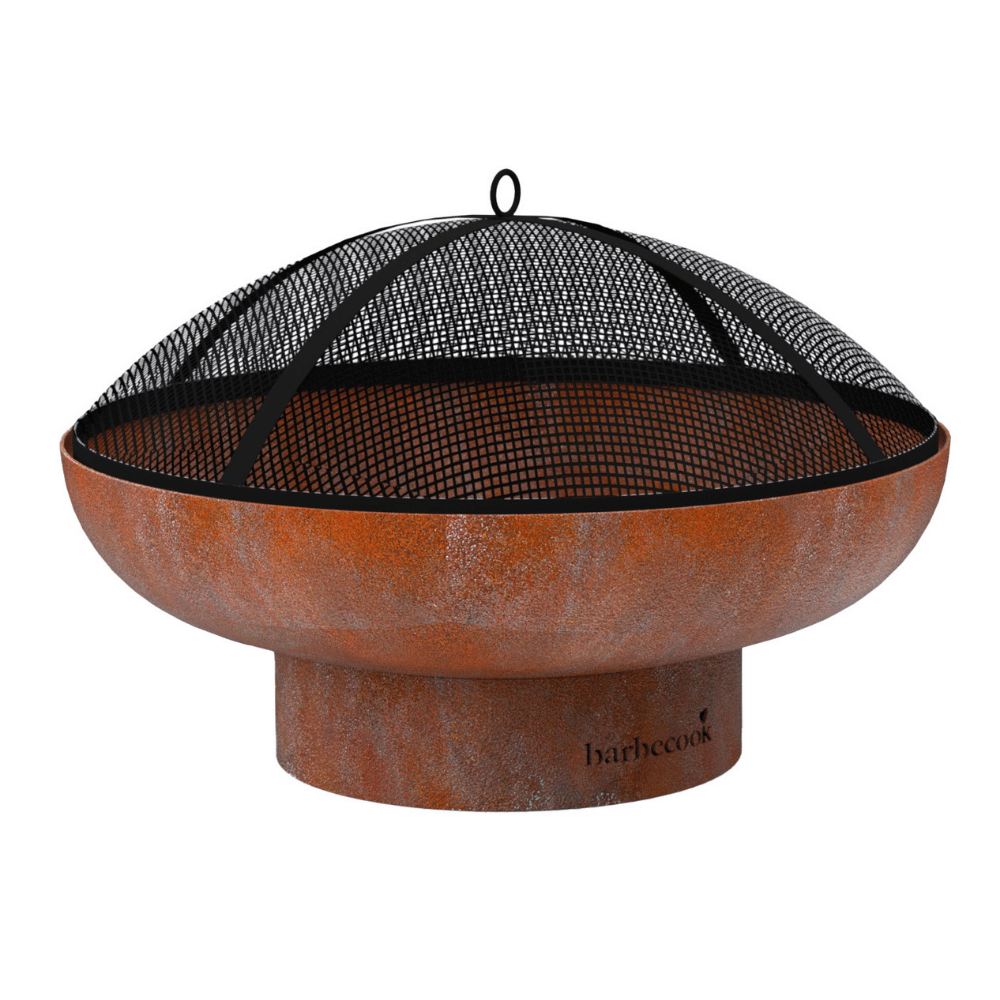
Fire Pit Safety: Siting, Surfaces and Sparks
Fire pit accidents are almost never dramatic. They are scorched decking, a melted section of artificial grass, a fence panel

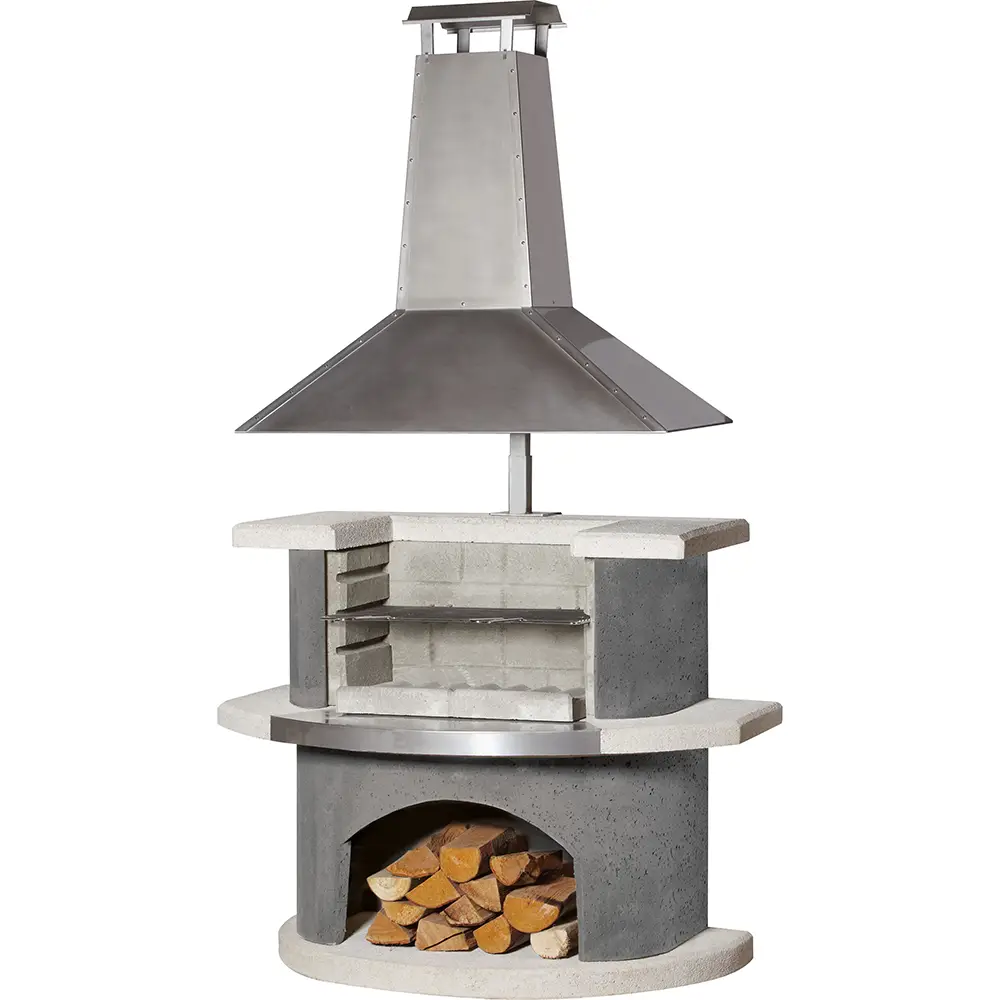
This question comes up most often just after someone has decided what they want and just before they spend the money, which is exactly the right time to ask it. The short answer for the great majority of gardens is that you do not need planning permission for a fire pit or a masonry barbecue.
There are three separate sets of rules that can apply though, and they are commonly confused with each other. Planning permission is one. Smoke control areas are another, and they are the one people get wrong most often. Nuisance is the third, and it is the one that actually catches people out. Here is how each works.
This covers England. Scotland, Wales and Northern Ireland have their own planning and environmental regimes, so check locally if you are outside England.
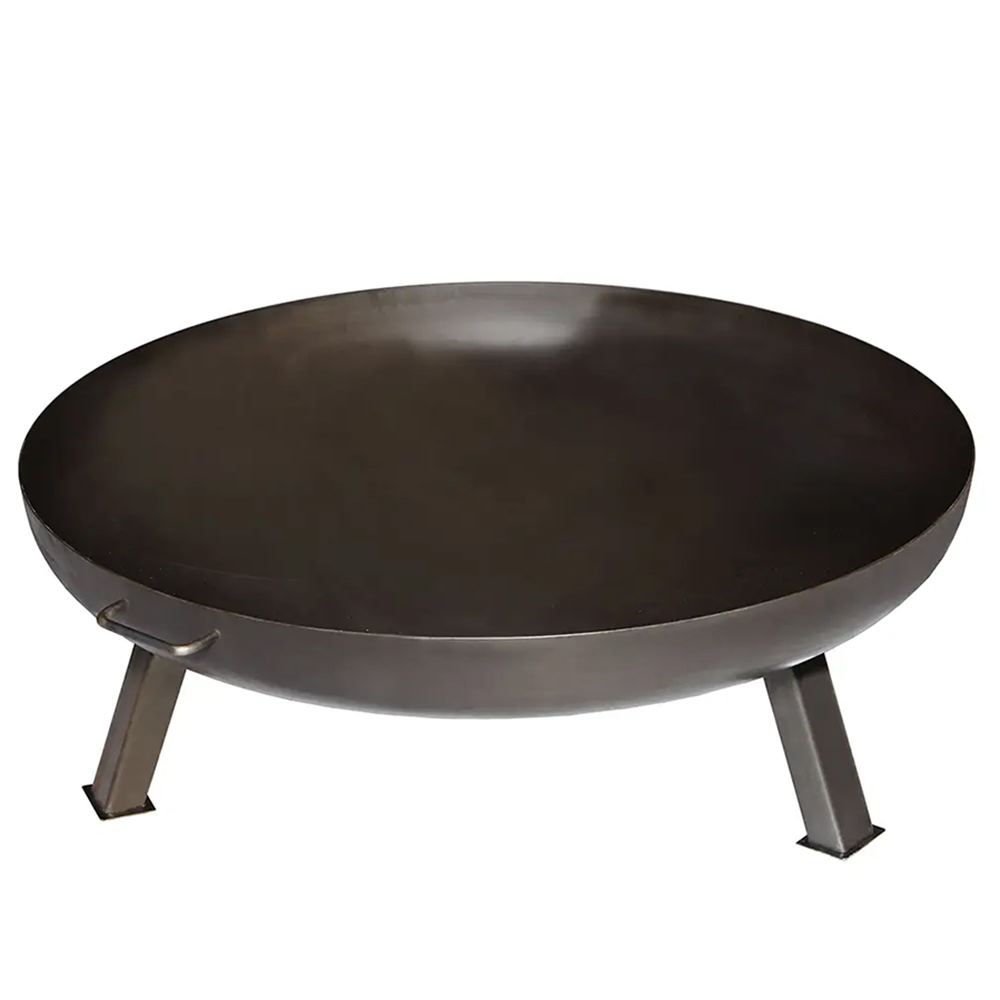
A fire pit is an object, not a structure, so planning permission simply does not enter into it. You can put a Buschbeck Ifen 80cm on your patio without telling anybody.
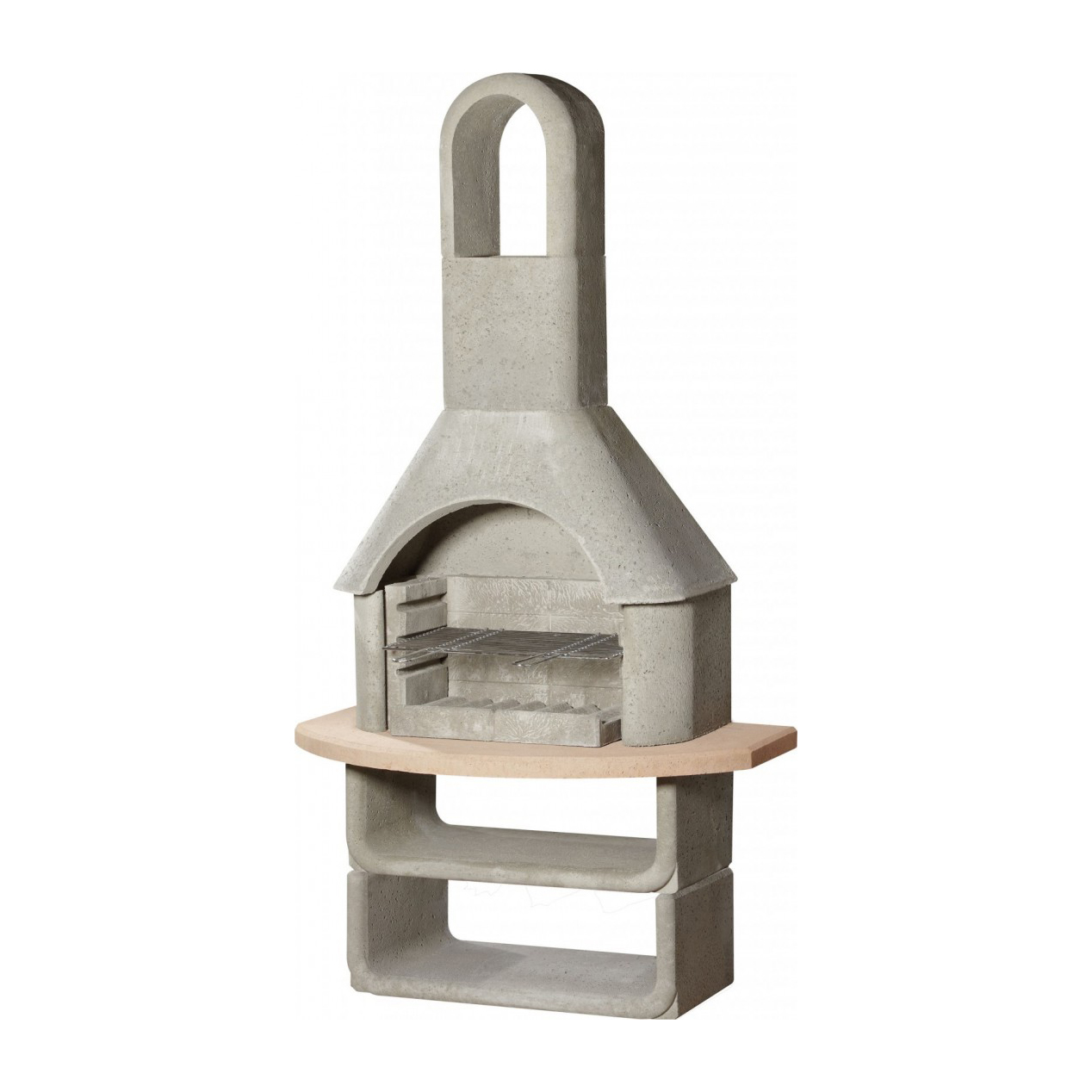
A masonry barbecue is assembled in place, which makes people nervous, but it is still well inside what permitted development allows. There is no specific permitted development right for outdoor cooking, so these get treated as outbuildings under Class E, and the conditions that matter are about size rather than purpose. A Kortina at £399 or even a Zurich at £889.99 is nowhere near the thresholds.
They become relevant if you are building an enclosure, an outdoor kitchen or a covered structure rather than standing a barbecue against a wall.
Height is measured against boundary distance. If any part of the structure is within two metres of a boundary, the maximum overall height is 2.5 metres. Further than two metres out, you can go to three metres with a flat roof or four metres with a pitched one. A masonry barbecue with a chimney is typically well under 2.5 metres, but a chimney extension plus a raised base is worth measuring if the unit is going tight against a fence.
The structure also has to be incidental to the enjoyment of the house, which outdoor cooking comfortably is, and outbuildings must not cover more than half your garden.
Two situations change the picture entirely. If your home is listed, or sits in a conservation area, permitted development rights are restricted and you should speak to your council before building anything permanent. The Planning Portal’s guidance on outdoor kitchens is the place to start.
This is where most of the confusion sits, and the good news is better than people expect.
Large parts of urban Britain are designated smoke control areas. In one, you cannot emit smoke from a chimney, and you can only burn authorised fuel unless the appliance is approved by Defra.
The critical detail is what that applies to. Government guidance is explicit that you can use outdoor barbecues, chimineas, fireplaces and pizza ovens in a smoke control area. Garden bonfires are also permitted, subject to the separate rules on bonfires. The chimney restriction is about chimneys serving buildings, not about a barbecue standing in your garden.
So a masonry barbecue in a smoke control area is fine, chimney and all. See the GOV.UK smoke control area rules for the wording.
If the appliance vents through a chimney on the roof of a building, a summerhouse, garden room or outdoor kitchen with a roof, then you are into chimney territory. In that case you may only burn authorised fuel unless the appliance is Defra-exempt.
This is worth knowing before you design a covered outdoor kitchen around a wood-fired oven, because it is a design decision rather than a fuel decision. Penalties in England run to £210 for a first offence and £315 for subsequent ones.
Separate from smoke control areas, there are rules on the wood sold for domestic burning. Logs sold in small volumes must carry the Ready to Burn mark, meaning moisture content below 20%.
The practical reading is straightforward: buy properly seasoned or kiln-dried hardwood, not wet wood. That is also just better practice. Dry hardwood burns hotter, produces a fraction of the smoke, and gives you a usable ember bed, which is what you actually want under a plancha ring or a cooking grill.
Never burn treated timber, painted wood, pallets, MDF or garden waste. Beyond the smoke and the smell, treated timber releases genuinely unpleasant compounds, and none of it belongs near food.
Nobody gets into trouble over planning permission for a barbecue. People do get complaints about smoke, and this is the area worth taking seriously because it depends on your neighbours rather than on a measurable threshold.
Councils have powers to act on smoke that amounts to a statutory nuisance. In practice that means persistent, repeated smoke that materially affects someone else’s enjoyment of their own home, not the occasional Saturday barbecue. A one-off is not a nuisance. Every evening, in a terrace, with wet wood, might be.
The mitigations are the same ones that make for better cooking anyway. Dry fuel produces far less smoke. A chimney takes what there is upward instead of sideways. Getting the fire properly established rather than letting it smoulder makes an enormous difference, because a smouldering fire is a smoke machine and a hot one is not.
If you are in a terrace or a small enclosed garden, an enclosed firebox with a chimney is considerably more neighbourly than an open bowl. That is a genuine argument for masonry over a fire pit in tight urban gardens.
Get these right and the regulatory questions mostly answer themselves.
Keep real distance from boundaries, fences, sheds and overhanging branches. This is about fire safety first, and it happens to keep you clear of the 2.5 metre height rule as well.
Think about prevailing wind before you think about the view. A barbecue sited where wind funnels toward next door’s garden will generate complaints no matter how dry your wood is.
If the unit is going under any cover, resolve the flue on paper first. A chimney discharging under a pergola or into a roofed area is both a usability problem and the one scenario that puts you into the authorised fuel rules.
Put it on something solid and level. Concrete or properly laid paving, not decking, gravel or soil. A purpose-made base at £129 solves this for a fire bowl.
And use a spark screen where there is planting, a walkway or children nearby. A Barbecook Steel Spark Screen 75cm at £129 lifts off for cooking and back on afterwards.
Two checks cover it. Your local council will tell you whether you are in a smoke control area or a conservation area, and both are usually searchable on their website by postcode. If your property is listed, assume permitted development rights are restricted and ask before building.
For anything freestanding, a fire pit or a masonry barbecue against a wall, you are almost certainly fine without asking anyone. For a built enclosure, a covered kitchen or anything approaching 2.5 metres near a boundary, a five minute call to the council planning team before you order materials is time well spent.
This is general guidance rather than legal advice, and local designations vary, so check your own circumstances. If you want to talk through where a unit could go in a particular garden, we are on 02476 474440, and our comparison of masonry barbecues and fire pits covers which suits which kind of space.
Sources: GOV.UK, Smoke control areas: the rules and the Planning Portal, outdoor kitchens planning permission.
Fire pit accidents are almost never dramatic. They are scorched decking, a melted section of artificial grass, a fence panel

Most wood-fired pizza oven coverage in Britain is about small portable ovens, because that is what sells in volume. If