Cooking on a Fire Pit: Grills, Planchas and What Works
Most fire pits are bought for warmth and then, at some point, someone puts a sausage over them. That is

The August bank holiday falls on Monday 31 August this year, and for most British households it is the last long weekend that reliably belongs to the garden. September weekends can be lovely, but nobody plans around them. This one still gets planned around, which is why it is worth approaching with a little more thought than a last-minute trip to the supermarket on Saturday morning.
What follows is a practical plan for feeding a group over the bank holiday weekend, written for real British conditions rather than an idealised sunny afternoon. It also covers the jobs worth doing while the barbecue is still out, because this weekend is the natural moment to deal with them.
Late August bank holidays have a reputation, and it is largely deserved. Planning as though it will be warm and dry is how people end up with twenty guests, no shelter and a tray of raw sausages.
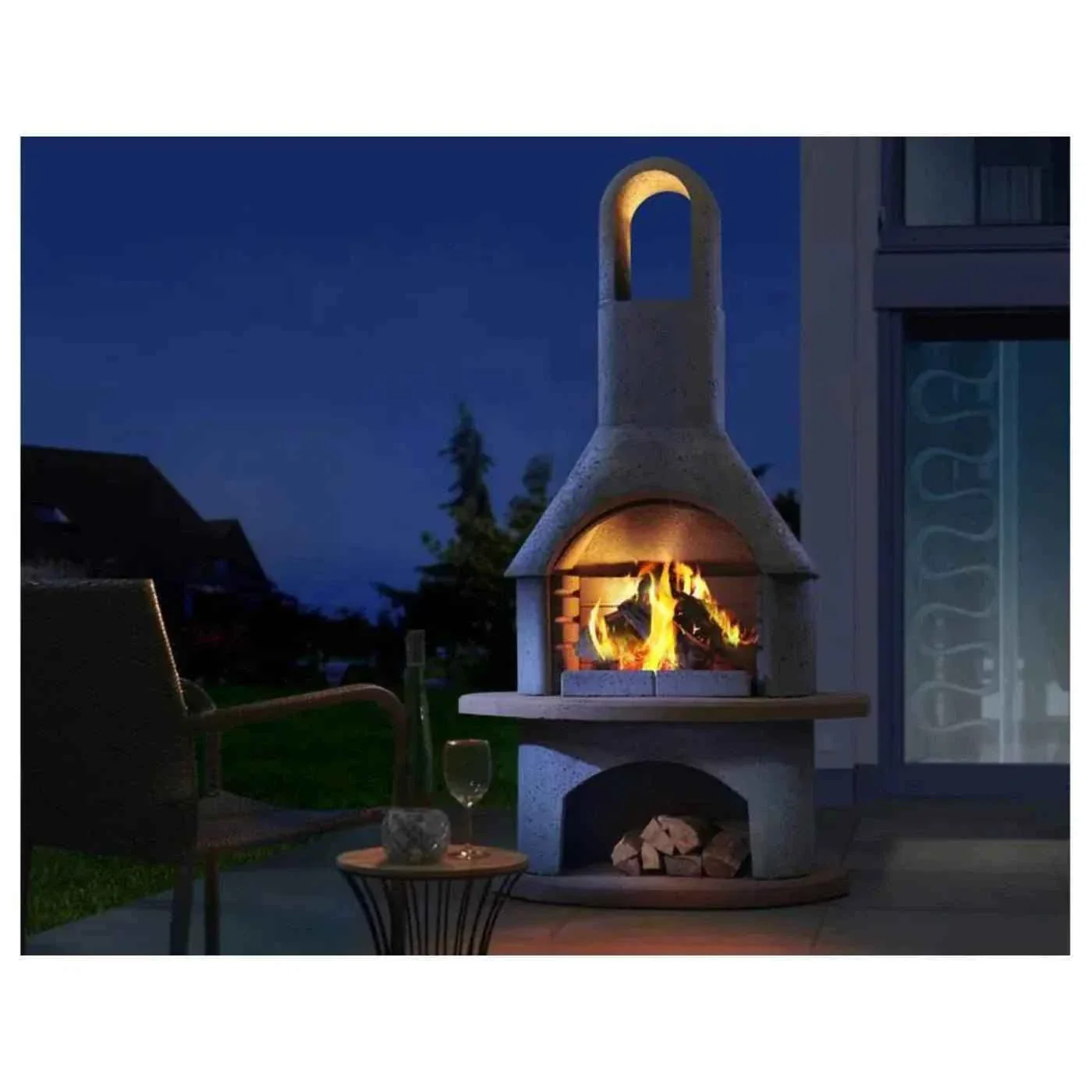
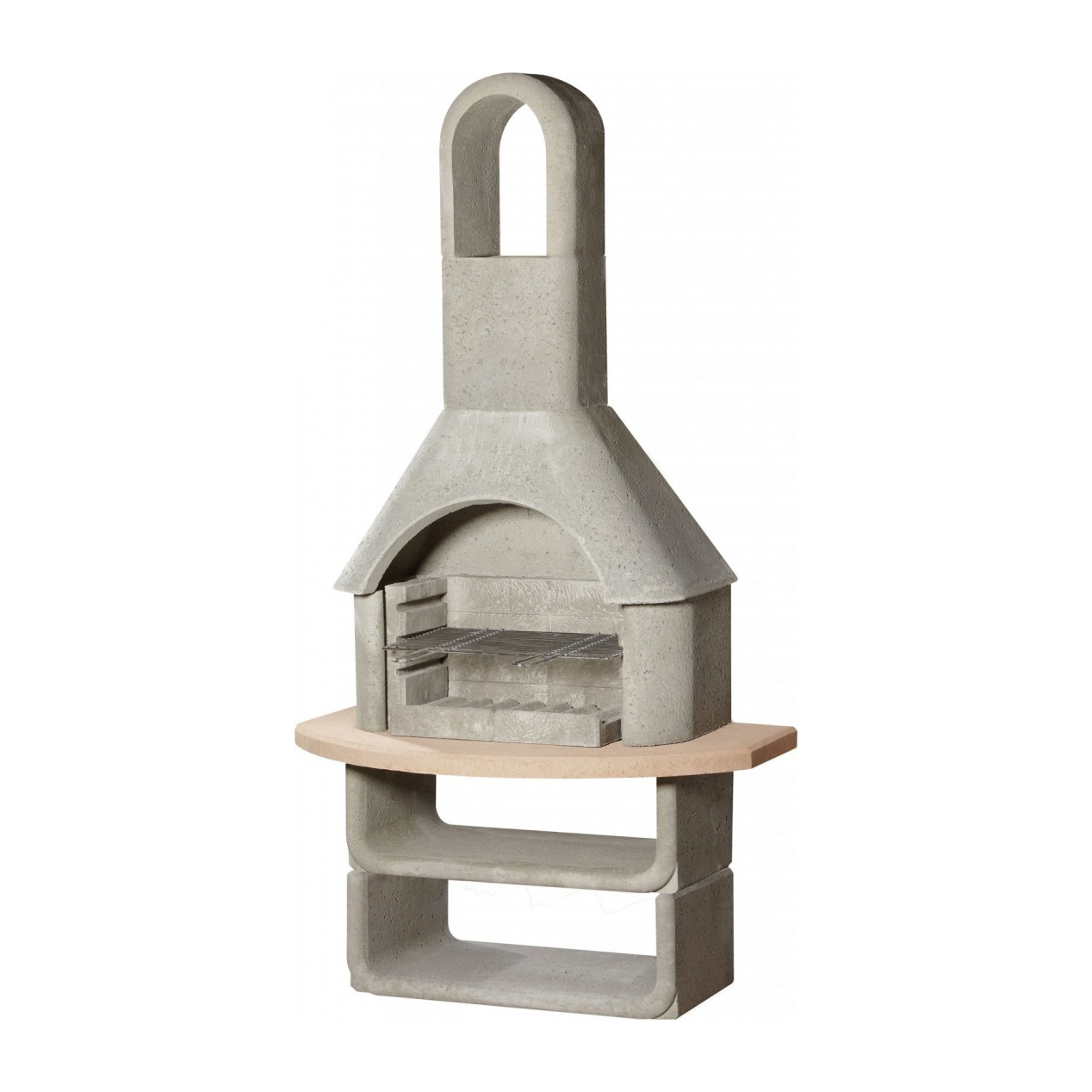
The useful approach is to decide in advance what happens if it rains, and to make that plan good enough that it is not a disappointment. That usually means somewhere covered for people to stand, and a cooking setup that works in light rain. A built masonry barbecue with a chimney, such as the Buschbeck Kortina at £399, handles drizzle far better than an open kettle because the fire is enclosed and the draw keeps working. A gazebo over the seating area matters more than one over the cook.
The second weather consideration is temperature after dark. Late August evenings in the UK drop away quickly once the sun goes, often into single figures by eleven o’clock. A gathering that peters out at nine because everyone is cold is a shorter weekend than it needed to be, and that is worth planning for as deliberately as the food.
Fuel is the most common bank holiday failure, and the most avoidable. Shops sell out, and the ones that have not sold out are charging accordingly.
As a working figure, a charcoal barbecue burns through roughly a kilogram of charcoal per hour of active cooking, more if the lid is off and the wind is up. For a long afternoon feeding a dozen people, plan on five to six kilograms and buy more than you think. Leftover charcoal keeps indefinitely if it is stored dry, so there is no waste in over-buying.
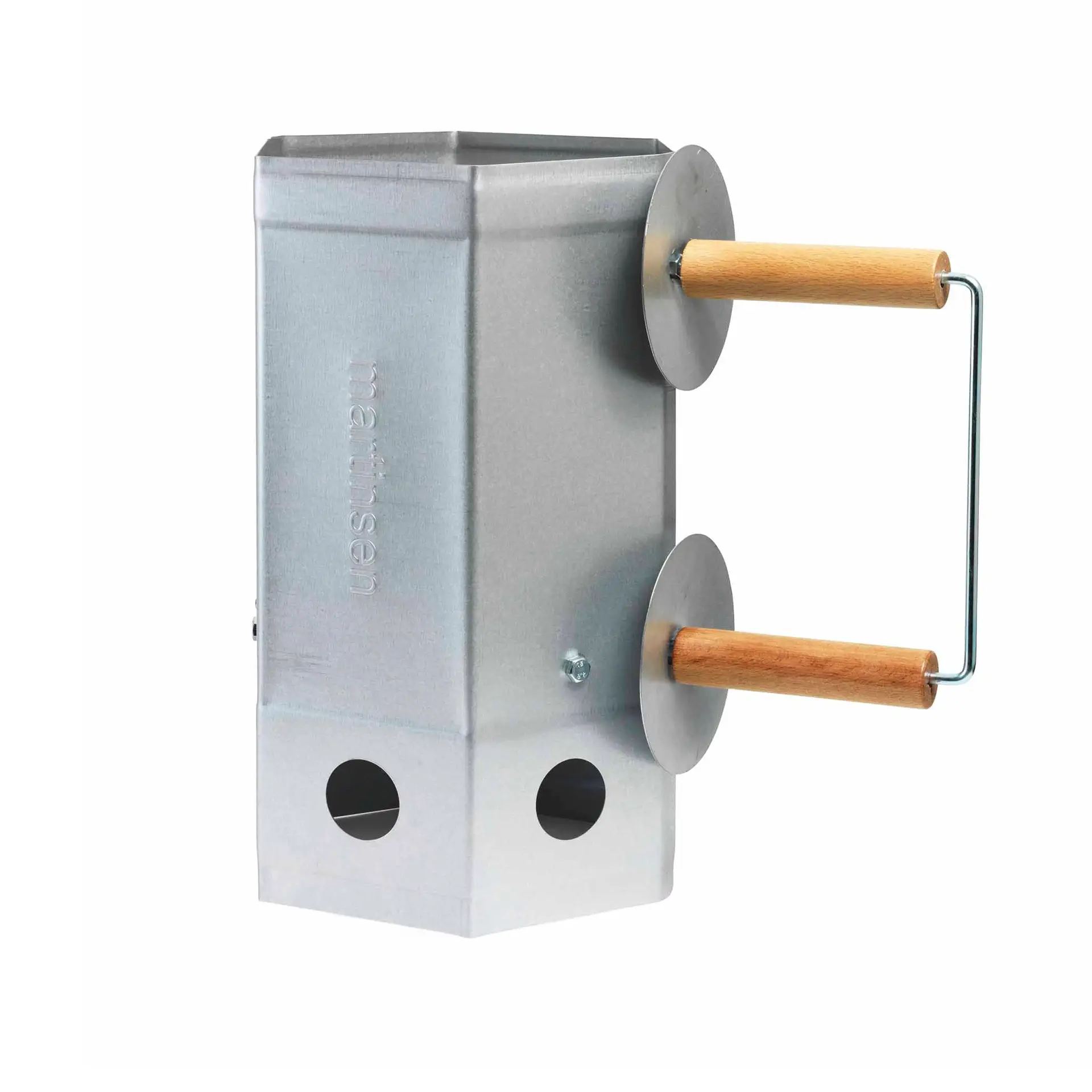
Lighting is worth getting right too. A chimney starter gets charcoal to an even, ashed-over state in fifteen to twenty minutes without lighter fluid, and it removes the single most common cause of food tasting of paraffin. The Martinsen BBQ Starter at £20.99 does this job, and it pays for itself in one weekend of not ruining the first batch.
If you are running gas, check the cylinder now rather than on the day. Lift it. A cylinder that feels light is a cylinder that will run out midway through the second round, and a spare is cheaper than the alternative.
Feeding fifteen people from a barbecue is a different exercise from cooking a good steak, and the mistake is treating it as the same job scaled up. Anything that needs precise timing and individual attention will hold up the queue and leave you cooking while everyone else eats.
Think in batches that finish together. Chicken thighs, sausages, lamb kofta, marinated pork shoulder cut into steaks and whole flatbreads all cook forgivingly, hold their heat, and do not punish you for a few minutes of inattention. Save the ribeyes for a quieter evening.
Use indirect heat more than you think you need to. A bank holiday barbecue that runs hot and direct for four hours produces a lot of charred outsides and undercooked middles. Set up two zones, cook the bulk of the food through on the cooler side, and finish over the coals for colour. It is slower per item and much faster overall, because almost nothing is wasted.
Skewers are underrated for numbers. They portion themselves, cook evenly, and let people serve themselves without a carving queue. A set of decent metal skewers such as the Martinsen skewers at £10.99 costs very little and takes the pressure off the cook.
The difference between hosting and catering is preparation done the day before.
On the Saturday or Sunday, make the marinades, joint anything that needs jointing, prepare salads that improve with a night in the fridge, and get the charcoal, fuel and kit staged where you will need it. Anything that can be cooked in advance and served at room temperature should be.
On the day, light the barbecue a good hour before you intend to serve. Charcoal is ready when it is evenly ashed over and grey, not when it is still black and flaming, and rushing that step is the reason so much barbecue food tastes of smoke rather than of itself.
Cook the slow items first and hold them warm, then move to the fast items as people arrive. Holding cooked food loosely covered in a low oven indoors is not cheating, and it is how anyone feeding a crowd actually does it.
The best part of a late August bank holiday is often after the food, when the cooking is done and people settle. That is exactly when the temperature falls away, and it is where most gatherings quietly end.
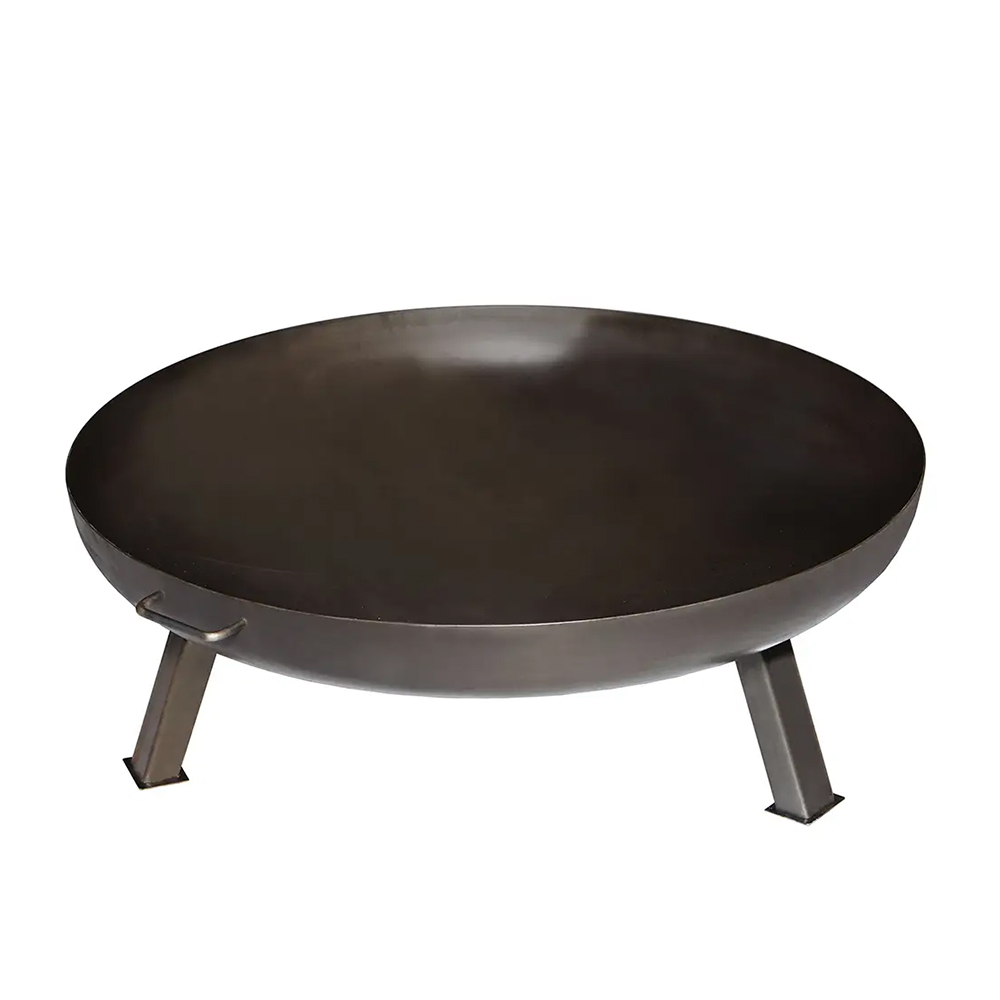
A fire pit changes that completely, because it gives people a reason and a place to stay. The Buschbeck Ifen Steel Fire Pit 80cm at £159.99 will comfortably hold six or seven seated people through a cool evening, and unlike a patio heater it becomes the centre of the group rather than something everyone stands under.
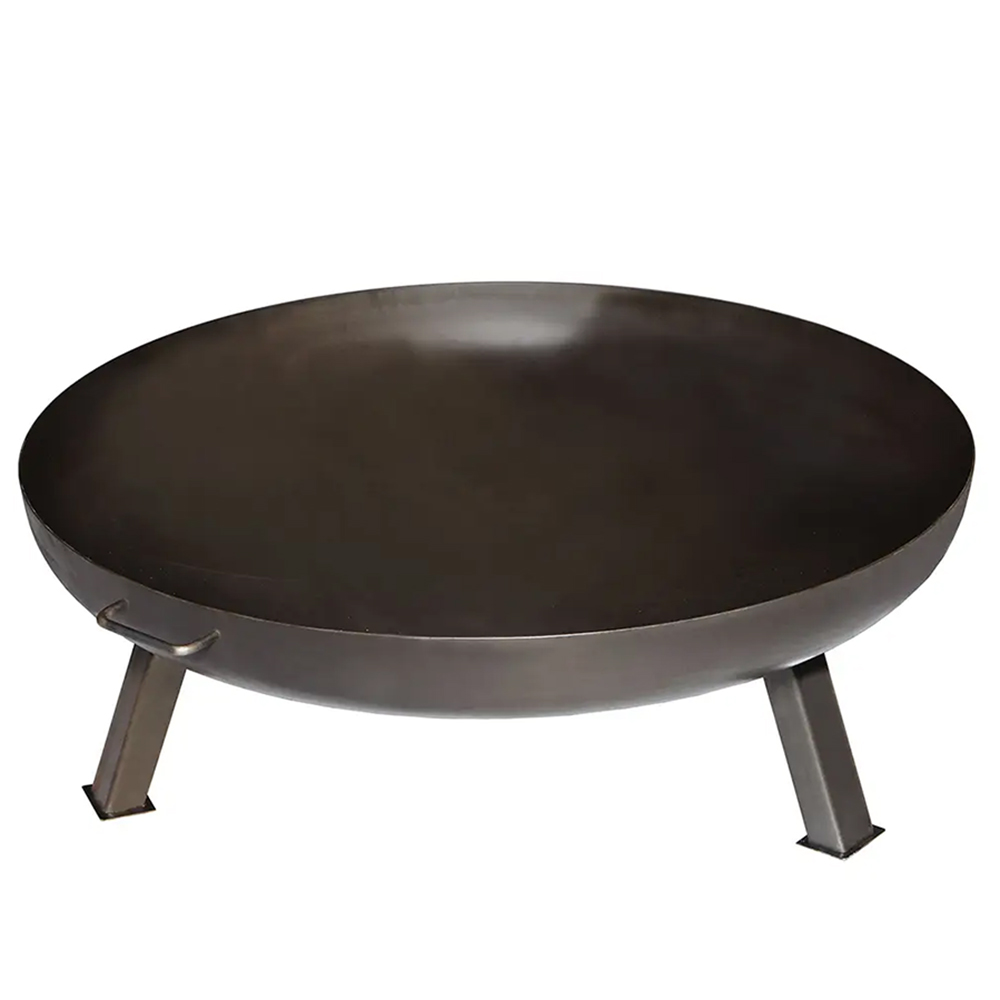
If you already have one, this is the weekend to make sure you have dry seasoned hardwood ready and the bowl emptied of last year’s ash. Damp wood on a chilly evening produces smoke, irritation and very little heat.
Five minutes now saves a bad hour later. Check that grates are clean and not seized, that gas hoses are sound and connections tight, that the ash pan is empty, and that you can actually find the tools, gloves and thermometer rather than discovering on the day that they are in the loft.
If anything is missing a part, order it this week. Bank holiday deliveries are slower and a barbecue with a warped grate or a broken igniter is a frustrating thing to discover on Sunday morning. Our Buschbeck spares and replacement parts cover most of the common items.
There is a practical opportunity in this particular weekend that most people miss. The barbecue is out, it is warm, and everything is accessible. That is a far better moment to do the end-of-season jobs than a cold Saturday in October when the whole thing feels like a chore.
Once the food is done and the grill has cooled, give it a proper clean rather than a quick scrape. Deal with grease traps, check burners and flame tamers if you run gas, and note anything that needs replacing before next spring. Then cover it or store it properly, dry rather than merely sheltered.
If your setup is masonry and stays outdoors permanently, this is the moment to check the refractory panels and chimney for cracking before the frost gets into them. A small crack in September is a repair. The same crack in February is often a replacement.
Do it now, while it is still pleasant to be outside, and next April will start considerably better than this one did. If you need anything before the weekend, we are on 02476 474440, or you can browse the full Buschbeck masonry barbecue range online.
Most fire pits are bought for warmth and then, at some point, someone puts a sausage over them. That is
The oven is the part with a price tag on it, and it is regularly the smaller half of what